Neste has launched a major biofuel initiative in Nigeria, signaling a strategic shift for the West African economic giant. This move directly impacts local fuel prices and offers a scalable model for energy independence across the continent. The project addresses critical infrastructure gaps while challenging traditional oil dependency.
Neste Expands Biofuel Footprint in Lagos
The Finnish renewable energy company Neste has confirmed a new production facility near Lagos, Nigeria. This facility will process used cooking oil and vegetable residues into sustainable aviation fuel and diesel. The project represents a significant capital injection into the Nigerian energy sector. It aims to reduce the country's reliance on crude oil imports.
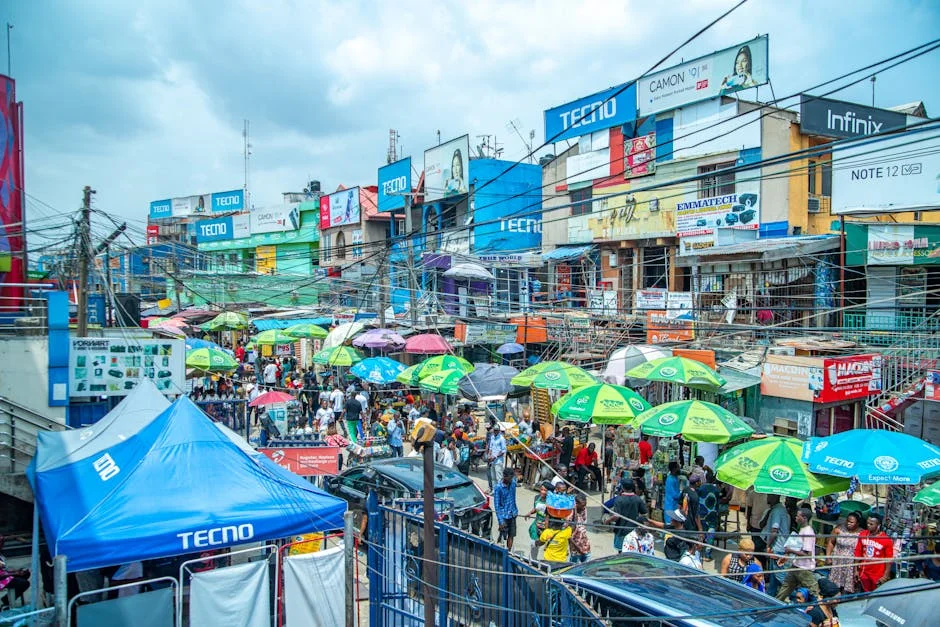
Local officials in Lagos have welcomed the investment as a catalyst for job creation. The facility is expected to create over 500 direct jobs within the first two years. This aligns with Nigeria's broader economic diversification goals. The government sees renewable energy as a key pillar for future growth.
The timing of this expansion is strategic. Nigeria faces fluctuating crude oil prices that affect national stability. By introducing biofuels, the market gains a buffer against global oil shocks. This diversification is essential for maintaining economic resilience.
Isadora Neves Marques Drives Strategic Vision
Isadora Neves Marques has emerged as a key figure in this development. Her analysis highlights the potential for biofuels to transform African transport sectors. She emphasizes that local production reduces logistical costs significantly. Her insights have influenced policy discussions in Abuja.
Policy and Economic Implications
Marques argues that current fuel subsidies are unsustainable for Nigeria. She points out that biofuels offer a more stable pricing mechanism. This perspective is gaining traction among Nigerian policymakers. The Ministry of Petroleum Resources is currently reviewing subsidy frameworks.
Her work underscores the importance of data-driven decision-making. By analyzing consumption patterns, she identifies optimal locations for refineries. This approach minimizes waste and maximizes efficiency. It serves as a blueprint for other African nations.
The integration of local expertise with international technology is crucial. Marques collaborates with local engineers to adapt Neste's processes. This ensures that the technology fits the Nigerian context. It also fosters knowledge transfer to local talent pools.
Challenges in African Energy Transition
Despite the promise, several challenges remain for this initiative. Infrastructure deficits in Nigeria can hinder the supply chain for raw materials. Roads and ports require upgrades to handle increased biofuel logistics. Without these improvements, costs may rise unexpectedly.
Regulatory frameworks in Africa often lag behind technological advancements. Nigeria needs clear policies to incentivize biofuel adoption. Tax breaks and subsidies could encourage private sector investment. The government must act swiftly to create a favorable environment.
Competition from traditional oil producers also poses a threat. Oil companies may resist the shift to renewables to protect market share. This could lead to political lobbying against biofuel mandates. Stakeholders must navigate these dynamics carefully.
Broader Implications for African Development
This project offers a template for other African countries. Kenya and Ghana are already exploring similar biofuel partnerships. The success in Nigeria could trigger a continental wave of investments. This aligns with the African Union's green energy goals.
Energy security is a top priority for African development. Reliable power and fuel drive industrial growth and education. Biofuels can provide a cleaner alternative to diesel generators. This reduces air pollution in densely populated urban centers.
The economic benefits extend beyond the energy sector. Agriculture gains from the demand for vegetable residues. This creates a circular economy that benefits farmers. It strengthens rural economies and reduces urban migration pressures.
What to Watch Next
The next phase involves the official groundbreaking ceremony in Lagos. This event is scheduled for the coming quarter. Investors are watching closely for announcements on capacity expansion. The initial output targets will reveal the project's immediate impact.
Policymakers in Abuja are expected to announce new subsidy rules. These rules will determine the competitiveness of biofuels. The timeline for implementation is critical for market confidence. Stakeholders should monitor the Ministry's press releases.
Consumers will notice changes in fuel prices within six months. The introduction of Neste's bio-diesel will test market acceptance. Public perception will drive long-term adoption rates. This is a pivotal moment for Nigeria's energy future.
See Also
- Israel Intensifies Military Strikes on Hezbollah: What This Means for Africa
- Pope Calls for Global Peace Amid Rising Conflict — Here's What It Means for Africa