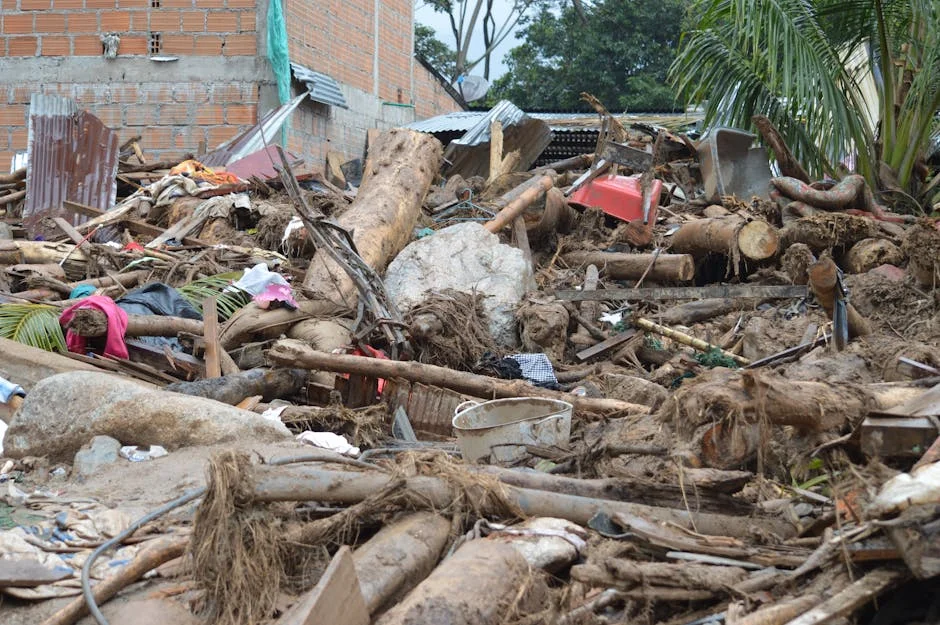
Nature reserves across Nigeria face unprecedented degradation after a four-year legislative delay in finalizing critical protection status. Activists in Lagos report that the prolonged uncertainty has allowed unchecked commercial expansion into ecologically sensitive zones. This administrative stall threatens to undo decades of conservation efforts and jeopardizes local biodiversity.
Four Years of Legislative Gridlock
The delay stems from a complex bureaucratic process that has left key natural habitats in legal limbo. Officials in Abuja have yet to ratify the comprehensive bill that would grant these areas protected status. This lack of clarity has created a vacuum that developers and local governments have quickly filled with new projects.
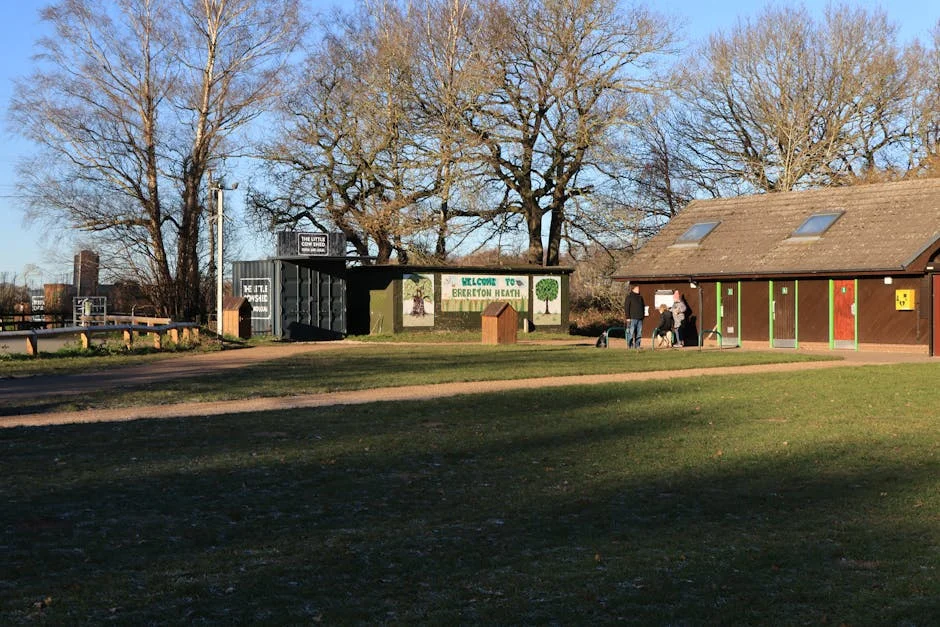
Environmental groups argue that the government’s inaction is driven by competing economic interests. The push for rapid urbanization often overshadows long-term ecological sustainability goals. This tension highlights a broader challenge in balancing development with environmental preservation across the continent.
The four-year timeline reveals a systemic issue in how environmental policies are prioritized. Without clear legal frameworks, enforcement agencies struggle to penalize offenders effectively. This weakness allows illegal logging and land grabbing to continue with minimal repercussions.
Ecological Damage in Lagos and Beyond
Recent surveys indicate that over 30% of the designated nature haven has been altered by construction. These changes have disrupted local wildlife corridors and reduced the area’s capacity to absorb floodwaters. The ecological impact is becoming increasingly visible to residents and visitors alike.
Impact on Local Biodiversity
Specific species that relied on the dense canopy are now facing habitat fragmentation. Bird populations have declined sharply as nesting sites are cleared for new housing estates. This loss of biodiversity reduces the ecosystem’s resilience to climate change pressures.
Water quality in nearby streams has also deteriorated due to increased runoff from construction sites. Sedimentation blocks sunlight and reduces oxygen levels, affecting fish populations. These changes directly impact the livelihoods of local fishermen who depend on healthy water bodies.
Activists Demand Immediate Action
Environmental activists have launched a coordinated campaign to pressure the government into action. They argue that the current pace of degradation is unsustainable without urgent intervention. Their protests have drawn attention to the need for stronger enforcement mechanisms.
Leading environmental organizations are calling for an independent audit of the reserve’s current state. This audit would provide a clear picture of the damage and help guide restoration efforts. Activists believe that transparency is crucial for rebuilding public trust in conservation initiatives.
The campaign has gained momentum on social media, with hashtags trending in major cities. Young people are increasingly engaging with environmental issues, recognizing their direct impact on future prospects. This grassroots movement is putting additional pressure on policymakers to act.
Implications for African Development Goals
This situation reflects a wider challenge in achieving sustainable development across Africa. Many countries struggle to balance economic growth with environmental stewardship. The Nigerian case serves as a cautionary tale for other nations facing similar pressures.
The African Union has emphasized the importance of green infrastructure in its development agenda. Protecting natural habitats is seen as essential for long-term economic stability and climate resilience. However, implementation often lags behind policy declarations due to funding and governance issues.
Investors are beginning to factor environmental risks into their decision-making processes. Projects that ignore ecological impacts face higher costs and potential delays. This shift could encourage more sustainable practices if governments provide clear incentives and regulations.
Path Forward: Policy and Enforcement
Experts recommend a multi-faceted approach to resolve the current crisis. Strengthening legal frameworks is the first step toward ensuring long-term protection. This includes defining clear boundaries and establishing dedicated funding for maintenance and monitoring.
Community involvement is also crucial for the success of conservation efforts. Local residents often have the most direct stake in preserving their natural surroundings. Engaging them in decision-making processes can lead to more effective and sustainable outcomes.
The government must also improve coordination between different ministries and agencies. Fragmented responsibilities often lead to gaps in enforcement and implementation. A unified approach would streamline processes and enhance overall efficiency.
Monitoring and Accountability
Establishing a robust monitoring system will help track progress and identify emerging threats. Regular reports should be made public to ensure transparency and accountability. This data can also inform future policy adjustments and resource allocation.
Penalties for non-compliance need to be stringent enough to deter offenders. Fines alone may not be sufficient if they are seen as a minor cost of doing business. Imprisonment or license suspensions could serve as stronger deterrents.
The coming months will be critical in determining the fate of this nature haven. Stakeholders are watching closely to see if the government will honor its commitments. The outcome will have significant implications for environmental policy in Nigeria and beyond.
Readers should monitor the upcoming parliamentary session where the protection bill is scheduled for a final vote. This deadline represents a crucial opportunity to secure the future of these vital ecosystems. The decision will signal the government’s true commitment to sustainable development.
See Also
- Milik Suffers New Injury, Season in Jeopardy
- Council Denies Responsibility for Compensation Delays — Public Outcry Grows
Implications for African Development Goals This situation reflects a wider challenge in achieving sustainable development across Africa. The African Union has emphasized the importance of green infrastructure in its development agenda.
What is the latest news about nature haven trashed after fouryear protection delay?
Why does this matter for economy-business?
What are the key facts about nature haven trashed after fouryear protection delay?