A horrific boat accident in Jabalpur, India, has claimed multiple lives and sent shockwaves through the region, prompting urgent questions about maritime safety standards. Survivors describe chaotic scenes as the vessel capsized, leaving passengers struggling for breath in the churning waters of the Narmada River. This tragedy serves as a stark reminder of the infrastructure vulnerabilities that many developing nations face, including those across the African continent.
The Jabalpur Disaster Unfolds
The incident occurred during a routine cruise tour, a popular attraction for locals and tourists alike in the central Indian city of Jabalpur. Witnesses report that the boat, which was carrying more than its recommended capacity, suddenly tilted and sank within minutes. The rapid onset of the disaster left little time for passengers to react, leading to a frantic scramble for life jackets and floating debris.
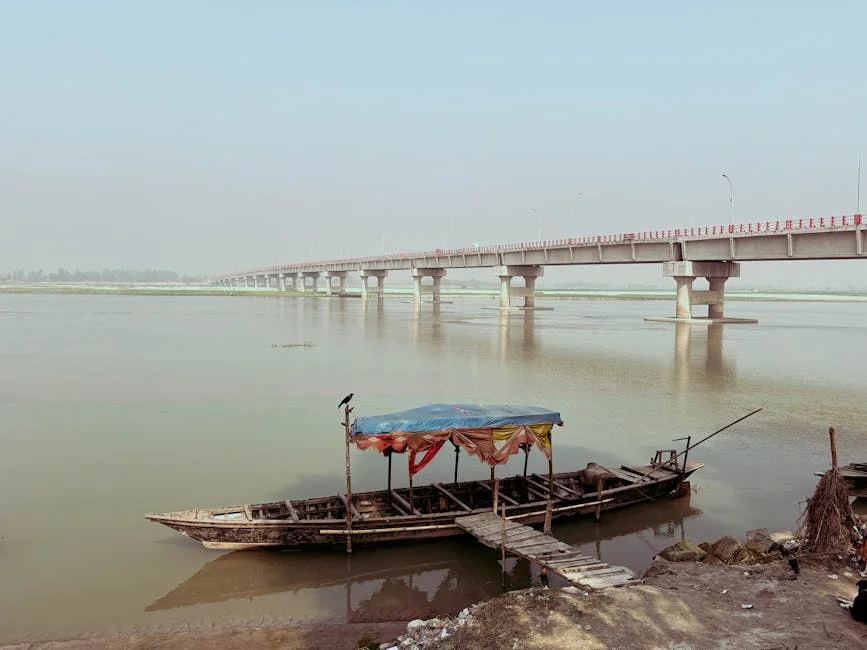
Emergency responders rushed to the scene, but the murky waters and strong currents complicated rescue efforts. Authorities have confirmed that several bodies have been recovered, while others remain missing. The local administration has launched an inquiry to determine the exact cause of the accident, focusing on the boat's mechanical condition and the competency of the crew.
Survivor Accounts Reveal Chaos
Survivors like Rakhi Soni and Neetu have shared harrowing details of the moments leading up to the capsize. Soni described the sudden lurch of the boat and the immediate panic that ensued as water began to flood the deck. She noted that communication between the crew and passengers was minimal, exacerbating the confusion among those who were not regular swimmers.
Neetu recounted how the life jackets, though present, were not easily accessible to all passengers. This lack of preparedness turned a leisurely trip into a fight for survival. Their testimonies highlight critical gaps in safety protocols, such as mandatory life jacket usage and clear emergency drills, which are often overlooked in emerging tourism markets.
Infrastructure Gaps in Developing Nations
The Jabalpur tragedy mirrors similar incidents in other developing regions where rapid economic growth often outpaces infrastructure development. In many African countries, the push to boost tourism and local transport networks has led to the introduction of new vessels and vehicles. However, without robust regulatory frameworks, these assets can become liabilities rather than engines of growth.
Across Africa, nations are investing heavily in infrastructure to support economic diversification. From the new ports in Nigeria to the expanding road networks in Kenya, the goal is to connect markets and attract investment. Yet, as the Jabalpur case illustrates, infrastructure is not just about building roads and buying boats; it is about maintaining them and enforcing safety standards. Neglecting these aspects can lead to costly disasters that undermine public trust and economic progress.
For African leaders, the lesson is clear: development must be holistic. It requires not only capital investment but also institutional strength. This means empowering regulatory bodies to enforce compliance, training personnel to handle emergencies, and ensuring that safety is prioritized over speed and cost-efficiency. Without these measures, the promise of infrastructure-led growth remains vulnerable to setbacks.
Regulatory Challenges and Enforcement
One of the primary challenges in both India and many African nations is the enforcement of existing regulations. Laws may exist on paper, but on the ground, implementation can be inconsistent. In the case of maritime safety, this often means that boats operate with expired certifications or with crews who lack adequate training. Corruption and bureaucratic delays can further weaken oversight, allowing substandard vessels to remain in service.
In Africa, organizations like the African Union have called for greater harmonization of transport regulations to facilitate cross-border trade and tourism. However, achieving this requires political will and financial resources. Countries must invest in inspection teams, modernize communication systems for maritime distress signals, and establish clear accountability mechanisms for operators and regulators alike.
The Jabalpur incident underscores the need for transparency in reporting accidents. When data is available, policymakers can identify patterns and address systemic issues. In many cases, accidents are treated as isolated events rather than symptoms of broader structural problems. A data-driven approach can help prioritize interventions, such as upgrading older vessels or introducing mandatory safety audits.
Lessons for African Development Goals
African development goals, as outlined in the Agenda 2063 framework, emphasize integrated infrastructure and sustainable economic growth. The Jabalpur boat tragedy offers a cautionary tale for African nations striving to achieve these objectives. It highlights the importance of integrating safety into the infrastructure development process, ensuring that new projects are resilient and user-friendly.
Health and safety are critical components of human capital development. When citizens feel secure in their transport systems, they are more likely to engage in economic activities. Conversely, frequent accidents can deter tourism and increase insurance costs, thereby slowing down economic momentum. African governments must therefore view safety not as an afterthought but as a foundational element of development.
Moreover, the disaster highlights the role of community engagement in safety management. In many African communities, local knowledge can complement technical expertise. Engaging fishermen, boat operators, and passengers in safety drills and feedback loops can create a culture of vigilance. This participatory approach can enhance the effectiveness of top-down regulatory measures.
What to Watch Next
In the wake of the Jabalpur tragedy, authorities have announced a temporary suspension of cruise services on the Narmada River to allow for a thorough investigation. This pause provides an opportunity to reassess safety protocols and implement immediate corrective measures. Observers will be watching to see how quickly and effectively these changes are rolled out.
For African nations, the coming months will be crucial in determining how well they can adapt these lessons. We should look for new policy announcements from key African transport ministries regarding maritime and road safety. Additionally, the upcoming African Union Infrastructure Week will likely feature discussions on integrating safety standards into continental infrastructure projects. Staying informed on these developments will be essential for understanding the future of safe and sustainable growth across the continent.