Russell & Bromley has officially sealed the fate of its British high street presence. The footwear retailer confirmed that the closure of its final stores marks the end of an era for the brand. This move sends a clear signal about the changing dynamics of consumer retail in Europe. For African markets, this shift offers critical lessons on infrastructure and consumer behavior.
The End of a British Retail Giant
The announcement confirms that the last physical locations of Russell & Bromley are shutting their doors. This development follows a long period of restructuring and strategic retreat from the crowded UK market. The brand, once a staple on London’s Oxford Street, now faces a leaner operational model. This contraction reflects broader challenges facing traditional brick-and-mortar retailers across the continent. The decision was not made in isolation but as a response to shifting economic pressures.
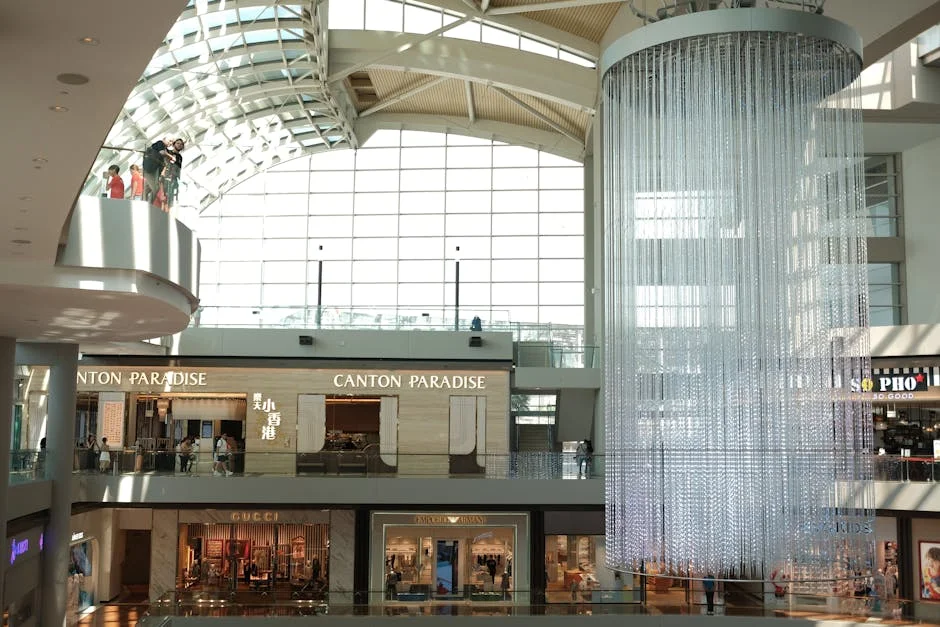
Consumers in major cities like London and Manchester have increasingly turned to online platforms. This trend has forced traditional retailers to adapt or face obsolescence. Russell & Bromley’s strategy now focuses heavily on digital sales and wholesale partnerships. The physical footprint reduction is a direct consequence of these changing consumer habits. The brand aims to stabilize its financial health through these targeted adjustments.
Lessons for African High Street Development
For African development goals, the collapse of traditional retail models in Europe provides valuable insights. Markets in Nigeria, Kenya, and South Africa are currently experiencing similar transformations. The high street in Lagos, for instance, is seeing a surge in mixed-use developments. These spaces combine retail, dining, and entertainment to attract diverse crowds. This approach differs from the single-purpose stores that dominated the British model.
Infrastructure plays a crucial role in the success of any retail environment. Reliable power, efficient logistics, and accessible transport are non-negotiable for modern retail. African cities are investing heavily in these areas to support economic growth. The experience of Russell & Bromley highlights the importance of adaptability in such environments. Retailers who fail to integrate with local infrastructure often struggle to maintain relevance.
Infrastructure and Consumer Access
The gap between urban and rural retail access remains a significant challenge in Africa. In the UK, the decline of the high street has exacerbated this divide for many communities. African nations are leveraging technology to bridge this gap through e-commerce and mobile money. This digital integration allows consumers in remote areas to access global brands. Such innovations are essential for inclusive economic growth across the continent.
Government policies also influence the retail landscape significantly. Tax incentives and trade agreements can make or break local businesses. African governments are increasingly recognizing the need for supportive regulatory frameworks. These policies aim to foster a competitive yet stable environment for retailers. The success of local brands often depends on these strategic interventions.
Economic Implications for Continental Growth
The retail sector is a major contributor to employment and GDP in many African countries. The shifts seen in the UK suggest that job creation in retail is becoming more specialized. Automation and digital skills are becoming more important for retail workers. African educational institutions must adapt their curricula to prepare the workforce for these changes. This alignment between education and industry is vital for sustainable development.
Investment flows into the African retail sector are increasing as a result of these trends. International brands are looking for new growth opportunities in emerging markets. However, they must navigate complex regulatory and logistical landscapes. Local partnerships are often key to success in these diverse markets. The experience of European retailers like Russell & Bromley serves as a cautionary tale for new entrants.
Strategic Opportunities for African Markets
African retailers have the opportunity to learn from the European experience. By focusing on customer experience and digital integration, they can build resilient brands. The rise of local manufacturing also presents a chance to reduce import dependencies. This strategy can enhance economic sovereignty and create more jobs. Supporting local supply chains is a priority for many African development plans.
The integration of African markets into the global economy is accelerating. Retail is one of the most visible sectors of this integration. Consumers in Nairobi, Accra, and Johannesburg are demanding higher quality and variety. This demand drives innovation and competition among retailers. The continent is poised to become a major player in the global retail landscape.
What to Watch Next
Stakeholders should monitor how African retailers adapt to these global shifts. The next five years will be critical for the continent’s retail infrastructure development. Governments will need to continue investing in digital and physical infrastructure. Consumers will drive the pace of change through their purchasing decisions. The evolution of the African high street will be a key indicator of broader economic progress.
Frequently Asked Questions
What is the latest news about russell bromley closes final uk store what it means for african retail?
Russell & Bromley has officially sealed the fate of its British high street presence.
Why does this matter for economy-business?
This move sends a clear signal about the changing dynamics of consumer retail in Europe.
What are the key facts about russell bromley closes final uk store what it means for african retail?
The End of a British Retail Giant The announcement confirms that the last physical locations of Russell & Bromley are shutting their doors.