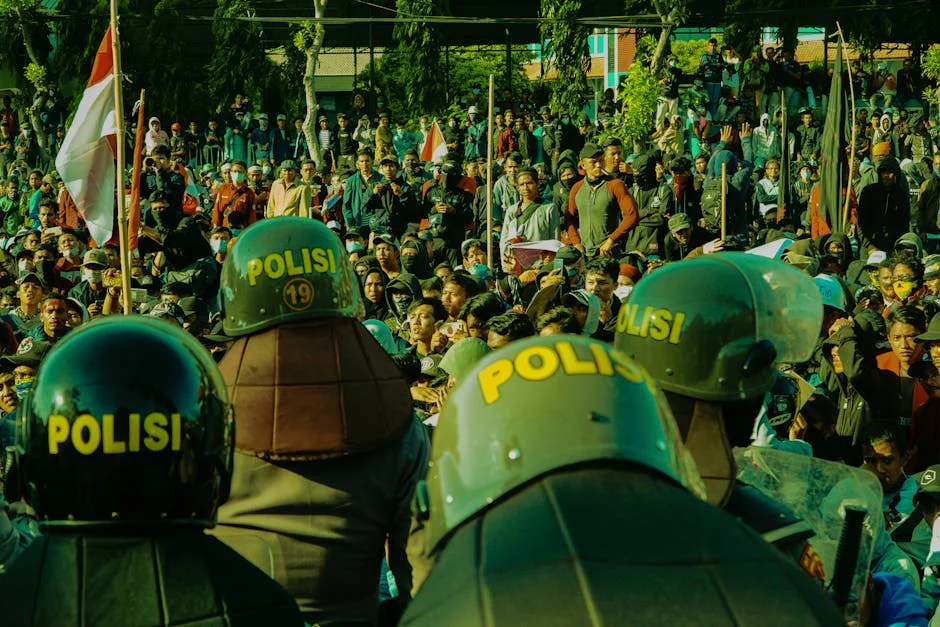
Brazil's federal police launched Operação Páscoa, an anti-crime operation in Rio de Janeiro, but it has failed to curb violence, with crime rates rising compared to the same period last year. The operation, led by the Ministry of Public Security, aimed to tackle drug trafficking and gang activity in favelas, but officials have admitted it has not met its goals. The failure highlights the challenges of addressing deep-rooted security issues in one of the country's most troubled cities.
Operation Easter Fails to Deliver Results
Operação Páscoa, or "Operation Easter," was deployed in Rio de Janeiro during the Easter holiday weekend, a time when crime often spikes due to increased movement and celebrations. The operation involved over 5,000 police officers and aimed to secure high-risk areas and disrupt criminal networks. However, according to the Rio de Janeiro State Police, violent crimes such as homicides and robberies increased by 12% compared to the same period in 2023. The rise in violence has raised concerns among local officials and residents alike.

The operation was spearheaded by the Ministry of Public Security, with support from federal and state agencies. Despite the large-scale deployment, police were unable to prevent several high-profile incidents, including a deadly shootout in the Complexo de Manguinhos neighborhood and a series of armed robberies in the city center. "The operation was not effective in reducing crime," said Rio’s state security secretary, Paulo Cunha. "We need a long-term strategy, not just temporary measures."
Context of Rising Violence in Rio
Rio de Janeiro has long struggled with high levels of violence, driven by rival drug gangs and weak governance in favelas. The city's security situation has worsened in recent years, with homicide rates reaching a 15-year high in 2023. The failure of Operação Páscoa underscores the limitations of short-term police operations in addressing systemic issues. Experts argue that without investment in education, job creation, and community policing, violence will continue to plague the city.
Analysts point to the lack of coordination between federal and state authorities as a major obstacle. "The operation shows the gap between policy and practice," said Maria Helena Moreira, a security researcher at the Getulio Vargas Foundation. "Without addressing the root causes of violence, temporary interventions will not lead to lasting change." The situation has also drawn criticism from local communities, who feel abandoned by both the government and the police.
Impact on African Development Goals
The failure of Operação Páscoa has broader implications for African development goals, particularly those related to peace, security, and sustainable cities. Many African nations face similar challenges, with urban violence and weak governance undermining economic growth and social stability. The experience in Rio highlights the need for comprehensive, long-term strategies that go beyond military-style operations to address the underlying causes of crime.
For African countries, the lesson is clear: security cannot be achieved through short-term interventions alone. The United Nations Sustainable Development Goals (SDGs) emphasize the importance of inclusive and sustainable urban development, which includes safe public spaces and effective governance. As Brazil grapples with its security crisis, African nations can draw from this experience to avoid similar pitfalls in their own development efforts.
What Comes Next for Rio de Janeiro?
With the failure of Operação Páscoa, the Brazilian government is under pressure to rethink its approach to security in Rio. Officials have pledged to launch a new, more comprehensive strategy by the end of the month, focusing on community engagement and long-term infrastructure investments. However, many remain skeptical, citing a history of unfulfilled promises and inconsistent policy.
The next steps will be critical in determining whether Rio can move beyond temporary measures and build a safer, more stable future. The city’s leadership must now address the systemic issues that fuel violence, including poverty, inequality, and weak institutions. As the country watches, the stakes for both Brazil and the broader African continent could not be higher.
Readers should monitor upcoming government announcements and community responses in the coming weeks. The next major test will be the planned security summit in May, where local and national leaders will discuss long-term solutions. How they respond will determine whether Rio can break the cycle of violence or remain trapped in a pattern of failed interventions.
Frequently Asked Questions
What is the latest news about brazils operação páscoa fails to curb violence in rio de janeiro?
Brazil's federal police launched Operação Páscoa, an anti-crime operation in Rio de Janeiro, but it has failed to curb violence, with crime rates rising compared to the same period last year.
Why does this matter for economy-business?
The failure highlights the challenges of addressing deep-rooted security issues in one of the country's most troubled cities.
What are the key facts about brazils operação páscoa fails to curb violence in rio de janeiro?
The operation involved over 5,000 police officers and aimed to secure high-risk areas and disrupt criminal networks.
"Without addressing the root causes of violence, temporary interventions will not lead to lasting change." The situation has also drawn criticism from local communities, who feel abandoned by both the government and the police. Impact on African Development Goals The failure of Operação Páscoa has broader implications for African development goals, particularly those related to peace, security, and sustainable cities.