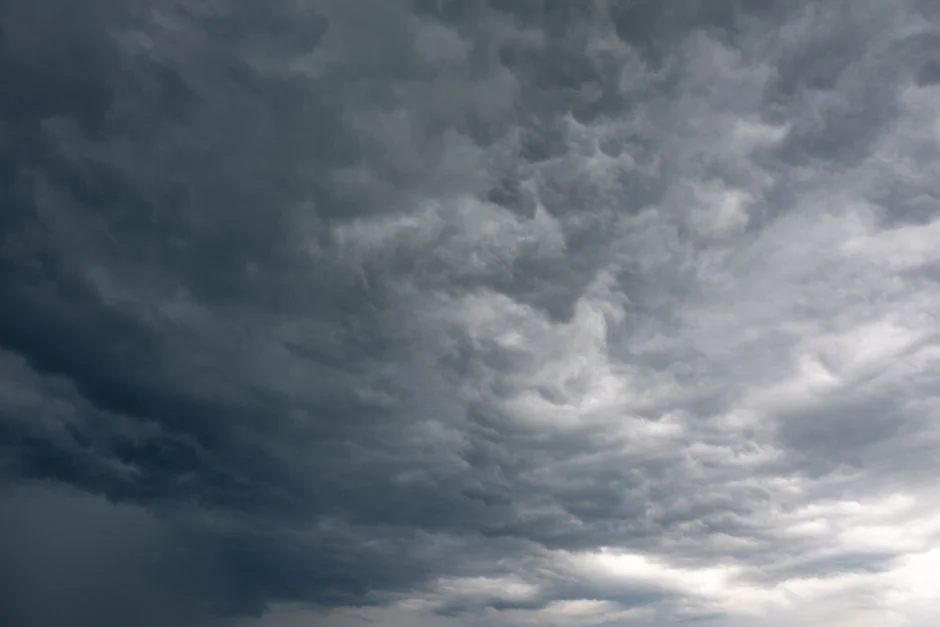
The South African Weather Service has issued a warning about heavy rain across the Western Cape region on Good Friday, raising concerns about potential disruptions to daily life and infrastructure. The weather system, described as disruptive, is expected to bring intense rainfall and strong winds, which could lead to flooding and travel delays. This comes amid ongoing discussions about climate resilience and the need for better disaster preparedness across the continent.
Heavy Rain Disrupts Daily Life in Western Cape
The South African Weather Service has confirmed that the Western Cape will experience heavy and persistent rain on Good Friday, with some areas expected to receive over 50mm of rainfall in a single day. The weather has already begun to affect local communities, with reports of flooded roads and disrupted public transport. Residents are being advised to take precautions, especially in low-lying areas prone to flooding. This weather event highlights the growing challenges that African nations face in adapting to climate change and ensuring resilient infrastructure.
Local authorities in the Western Cape have activated emergency response protocols to manage the situation. Roads in key urban areas, including Cape Town, have been closed in some parts, and traffic congestion is expected to worsen as the day progresses. The disruption underscores the need for better urban planning and investment in climate-adaptive infrastructure, which are central to achieving Africa’s development goals. With climate-related disasters becoming more frequent, the continent must prioritize long-term resilience over short-term fixes.
Climate Challenges and Development Goals
The weather event on Good Friday is not an isolated incident but part of a broader pattern of extreme weather events affecting the African continent. Climate change is increasingly impacting agriculture, water security, and public health, all of which are critical to achieving the United Nations Sustainable Development Goals (SDGs). In South Africa, the Western Cape has experienced droughts and now sudden deluges, reflecting the volatility of the region’s climate. This unpredictability poses a significant challenge for policymakers and planners aiming to build sustainable and inclusive economies.
Experts warn that without significant investment in climate adaptation, African nations may struggle to meet their development targets. The World Bank has highlighted the economic costs of climate-related disruptions, with infrastructure damage and loss of productivity affecting both urban and rural communities. For South Africa, the recent weather event is a reminder of the urgent need for climate-resilient infrastructure and better early warning systems to protect vulnerable populations.
What to Watch Next
As the rain continues into the weekend, the South African Weather Service will monitor the situation closely and issue further updates. Local authorities are also preparing for potential emergencies, including flood mitigation and rescue operations. The public is urged to stay informed and avoid unnecessary travel, particularly in areas at risk of flooding. This event serves as a test of the country’s preparedness and response capabilities, which are vital for long-term development and stability.
The impact of the weather on infrastructure and daily life also raises questions about the future of urban planning in South Africa. With climate change expected to bring more frequent and severe weather events, the government must rethink its approach to development. Investing in resilient infrastructure, improving disaster response mechanisms, and enhancing public awareness are key steps in mitigating the risks associated with climate change. These measures are not only essential for South Africa but for the entire continent as it works toward sustainable growth and development.
Disruptive Weather and the Path Forward
The disruptive weather on Good Friday in the Western Cape is a clear signal that climate change is no longer a distant threat but a present reality. For African nations, this event underscores the need for proactive policies and investments in climate adaptation. As the continent strives to meet its development goals, addressing the challenges posed by extreme weather will be a critical component of future planning.
Looking ahead, the focus must be on building resilience through improved infrastructure, stronger governance, and community engagement. The recent weather disruption highlights the importance of integrating climate considerations into all aspects of development. By taking a proactive approach, African countries can better protect their citizens, economies, and natural resources from the growing impacts of climate change. This is not just a local issue but a continental one, requiring coordinated action and long-term commitment.
The recent weather disruption highlights the importance of integrating climate considerations into all aspects of development. The World Bank has highlighted the economic costs of climate-related disruptions, with infrastructure damage and loss of productivity affecting both urban and rural communities.