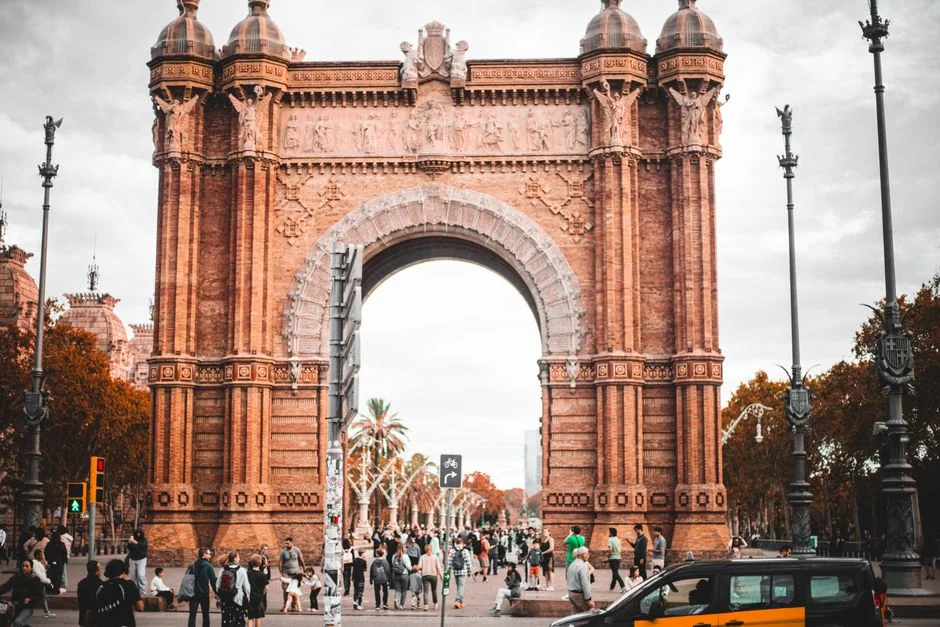
Coimbra, a historic city in Portugal, witnessed a surge in tourism during Semana Santa, with the University of Coimbra serving as the main attraction. Thousands of visitors flocked to the city to experience the religious and cultural traditions of the Holy Week, highlighting the growing appeal of academic and historical landmarks in the region. The event, which draws both locals and international tourists, underscores the role of cultural heritage in driving economic activity and tourism.
What is Semana Santa and Why It Matters
Semana Santa, or Holy Week, is a significant religious observance in many parts of the world, particularly in Catholic countries. In Coimbra, it is marked by processions, religious ceremonies, and cultural events that celebrate the city's deep historical roots. The University of Coimbra, one of the oldest in Europe, plays a central role in these celebrations, offering a unique blend of academic and spiritual experiences. This convergence of culture and education is a powerful driver of local tourism and economic activity.
The event also highlights the importance of preserving and promoting cultural heritage as a means of sustainable development. For African countries, where many cities are rich in historical and cultural assets, the Coimbra model offers a valuable lesson. By investing in the preservation and promotion of local heritage, African nations can enhance tourism, create jobs, and boost local economies.
Semana Santa and the Broader Pan-African Perspective
While Semana Santa is a European tradition, its impact on tourism and cultural exchange resonates with the broader goals of African development. As African countries seek to diversify their economies and attract global attention, leveraging their own cultural and historical narratives can be a powerful strategy. The success of Semana Santa in Coimbra demonstrates how cultural events can generate significant economic returns and foster international engagement.
For African nations, the challenge lies in creating similar platforms that showcase their unique heritage. Countries such as Nigeria, Ghana, and Kenya are already making strides in this area, but more investment is needed to ensure that cultural tourism becomes a sustainable and impactful sector. The Semana Santa model shows that when cultural events are well-organized and promoted, they can become major drivers of economic growth and international visibility.
What to Watch Next
As Semana Santa continues to attract thousands of visitors to Coimbra, the local economy benefits from increased spending in hotels, restaurants, and cultural institutions. This trend is expected to continue in the coming years, provided that the city maintains its commitment to preserving its heritage and enhancing the visitor experience. For African countries, the key takeaway is the importance of strategic investment in cultural and historical sites to maximize their economic potential.
Looking ahead, the success of Semana Santa in Coimbra could inspire similar initiatives across Africa. By learning from global examples, African nations can develop their own cultural tourism strategies that align with the continent's development goals. As the world becomes more connected, the ability to showcase unique cultural narratives will be a key factor in economic growth and international collaboration.
Conclusion: Cultural Heritage as a Development Tool
Semana Santa in Coimbra illustrates the transformative power of cultural heritage in driving tourism and economic growth. As African countries strive to achieve sustainable development, they can draw valuable insights from such events. By investing in their historical and cultural assets, African nations can create new opportunities for growth, foster international partnerships, and build a stronger, more diversified economy.
The lessons from Coimbra are clear: cultural events, when properly managed, can generate significant economic returns and enhance a region's global profile. For Africa, the path forward lies in embracing its rich heritage and leveraging it as a key component of its development strategy.
Frequently Asked Questions
What is the latest news about coimbras university draws thousands during semana santa tourism boosts local economy?
Coimbra, a historic city in Portugal, witnessed a surge in tourism during Semana Santa, with the University of Coimbra serving as the main attraction.
Why does this matter for economy-business?
The event, which draws both locals and international tourists, underscores the role of cultural heritage in driving economic activity and tourism.
What are the key facts about coimbras university draws thousands during semana santa tourism boosts local economy?
In Coimbra, it is marked by processions, religious ceremonies, and cultural events that celebrate the city's deep historical roots.
For African countries, the key takeaway is the importance of strategic investment in cultural and historical sites to maximize their economic potential. Countries such as Nigeria, Ghana, and Kenya are already making strides in this area, but more investment is needed to ensure that cultural tourism becomes a sustainable and impactful sector.