India has turned to the United States for assistance in securing liquefied petroleum gas (LPG) supplies as disruptions in the Strait of Hormuz continue to affect global energy markets. The move comes amid rising geopolitical tensions in the region, which have caused shipping delays and increased fuel prices. India, one of the world's largest importers of energy, is seeking to mitigate the impact on its economy and consumers.
The Strait of Hormuz, a critical maritime chokepoint, has seen increased volatility due to regional conflicts and sanctions, leading to a rise in global energy prices. India's reliance on Middle Eastern oil and gas has made it particularly vulnerable to these disruptions, prompting the government to explore alternative supply routes and partnerships.
India's Energy Security Concerns
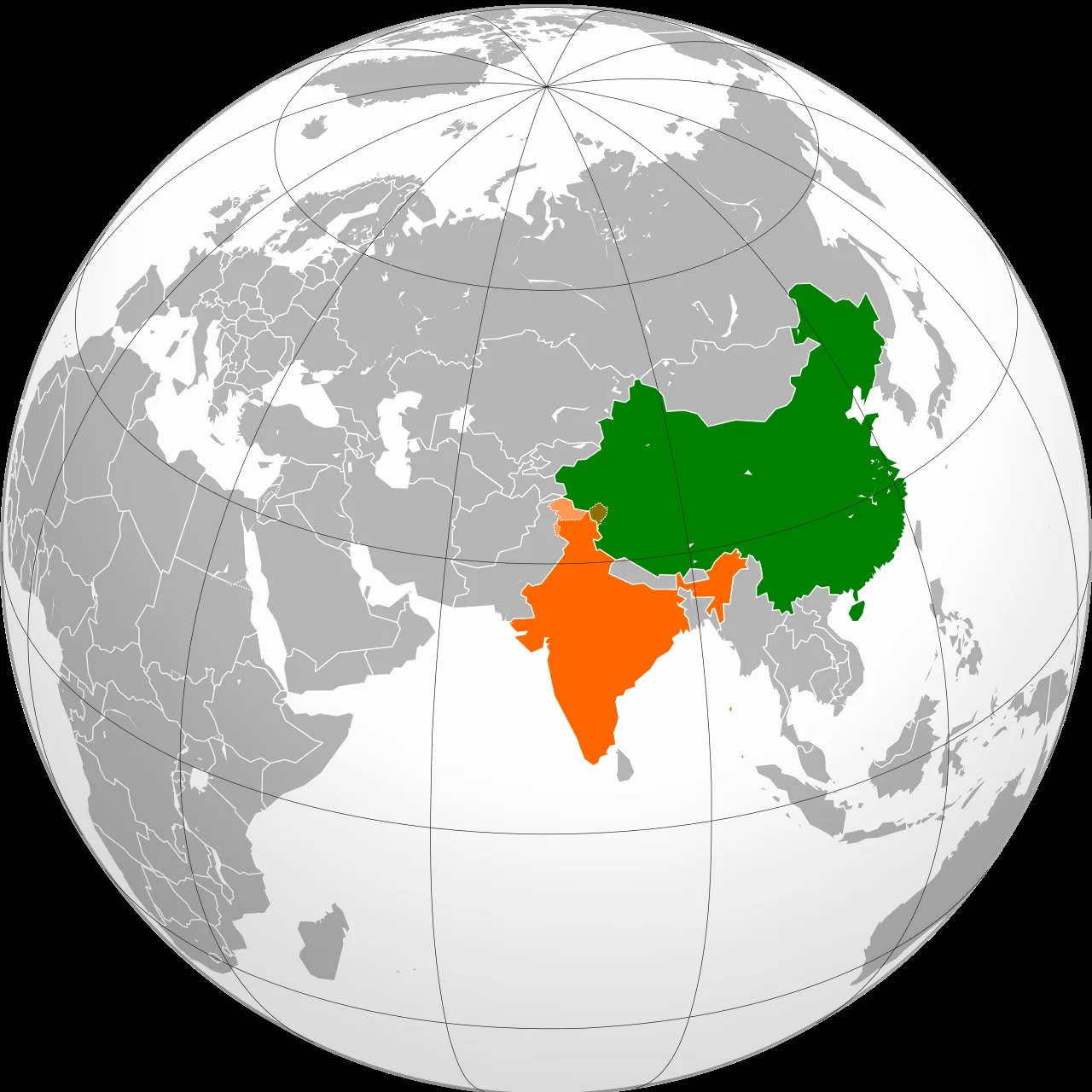
India's energy demands have been growing rapidly due to its expanding population and industrial base. The country imports around 85% of its crude oil and 50% of its natural gas, with the majority coming from the Middle East. The recent disruptions in the Strait of Hormuz have heightened concerns about the stability of these supply chains, forcing India to rethink its energy strategy.
The Indian government has been engaging with the US to secure additional LPG supplies, which are crucial for cooking and industrial use. This collaboration reflects a broader shift in India's foreign policy, as it seeks to diversify its energy sources and reduce dependence on traditional suppliers.
Hormuz Impact on Nigeria and Africa
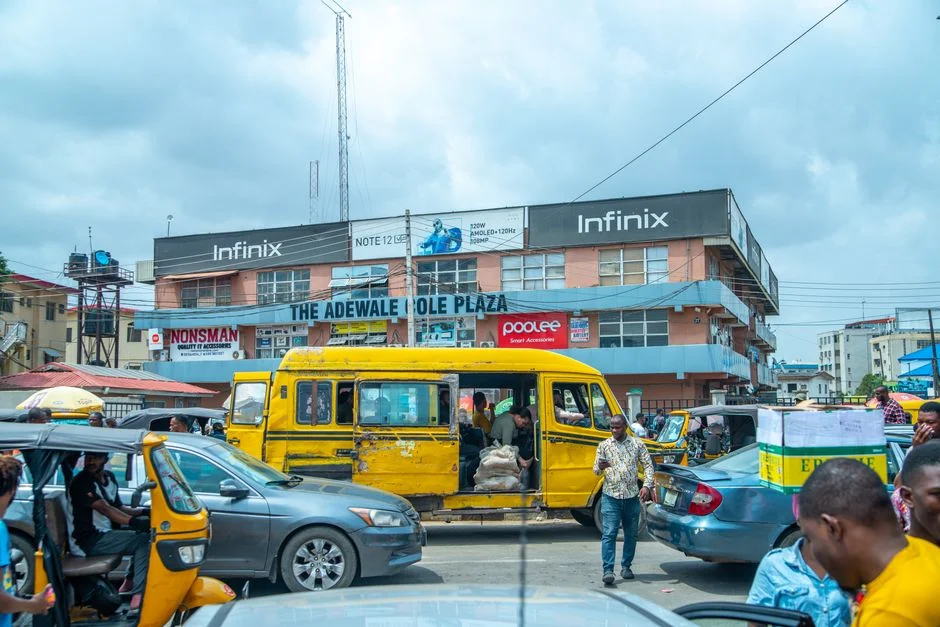
The situation in the Strait of Hormuz has far-reaching implications for Africa, particularly for countries like Nigeria, which also rely heavily on imported energy. Nigeria, a major oil producer, still depends on imported refined petroleum products, making it susceptible to global price fluctuations. A rise in LPG and fuel prices could have a significant impact on inflation and consumer spending in the country.
Analysts suggest that the Hormuz crisis could lead to higher energy costs across the continent, affecting both governments and citizens. For Nigeria, where energy shortages are already a challenge, the situation could exacerbate existing economic pressures and hinder progress toward the African Union's development goals.
Opportunities for African Energy Diversification
The current energy crisis presents an opportunity for African countries to explore alternative energy sources and invest in domestic production. Many African nations have abundant solar, wind, and hydro resources that could be harnessed to reduce reliance on imported fuels. This shift could support the African Union's Agenda 2063, which emphasizes sustainable development and energy security.
India's pivot to the US for LPG supplies highlights the importance of building resilient energy networks. African countries could benefit from similar strategic partnerships, focusing on regional integration and renewable energy projects. By investing in infrastructure and innovation, African nations can enhance their energy independence and contribute to broader development goals.
What's Next for India and Africa
India's ongoing efforts to secure LPG supplies from the US indicate a growing emphasis on energy diplomacy. The country is likely to continue exploring new trade agreements and energy partnerships to ensure stability in its supply chains. This could have a ripple effect on global markets, influencing oil and gas prices for countries like Nigeria and other African states.
For Africa, the situation underscores the need for a coordinated approach to energy security. As global energy markets become more volatile, African nations must prioritize investments in sustainable energy and regional cooperation. The lessons from India's current challenges could serve as a catalyst for broader reforms across the continent.
See Also
- Nuno Santos Reflects on 15 Months of Struggles in Sporting’s Latest Video
- Chennai Super Kings Lose Young Batter to Injury — Impact on IPL Season
India's pivot to the US for LPG supplies highlights the importance of building resilient energy networks. See AlsoNuno Santos Reflects on 15 Months of Struggles in Sporting’s Latest VideoChennai Super Kings Lose Young Batter to Injury — Impact on IPL Season