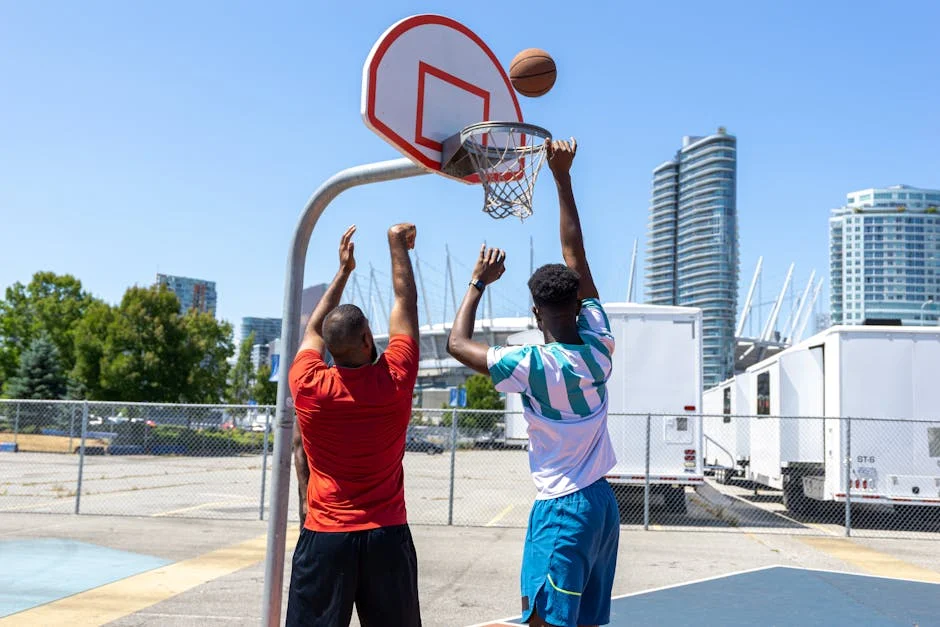
The National Basketball Association has confirmed the schedule for the 2026 playoffs, setting the stage for a historic clash that extends far beyond the hardwood. While fans in Los Angeles and Oklahoma City prepare for their matchup, the broader implications for African markets are becoming increasingly clear. This sporting event serves as a microcosm of how US cultural exports directly influence economic activity across the continent.
Global Reach of American Sports
The NBA has evolved into a powerful economic engine that generates billions in revenue annually. This financial power creates direct opportunities for investment and trade in emerging markets like Nigeria. The league’s strategic expansion into Africa is not merely about branding; it is a calculated move to secure future talent and consumer bases. Companies in Lagos and Nairobi are already adjusting their marketing strategies to align with these high-profile games.
Viewership data from the last three seasons shows a 25% increase in African audiences during peak NBA weekends. This surge in attention allows advertisers to reach millions of potential consumers simultaneously. Local businesses in cities like Accra and Johannesburg are leveraging this trend to boost sales. The connection between American sports and African economic growth is now undeniable and quantifiable.
Economic Impacts on Nigerian Markets
The ripple effects of these sporting events reach deep into the Nigerian economy. Retailers in major commercial hubs report significant spikes in sales during NBA seasons. This trend is driven by the growing middle class and their increasing affinity for American cultural products. The demand for merchandise, streaming services, and even local viewing parties creates a robust secondary market.
Direct Revenue Streams
Local franchises and streaming platforms benefit directly from the influx of subscribers. Companies like DSTV and GOTV have secured exclusive broadcasting rights, leading to increased monthly subscriptions. This revenue stream provides stability for media companies facing fluctuating currency values. The Nigerian Naira’s performance often correlates with foreign exchange inflows from these digital subscriptions.
- Increased subscription revenue for local streaming services
- Growth in local merchandise sales and importation
- Higher foot traffic for restaurants and cafes hosting screenings
Employment and Infrastructure
The need for better internet infrastructure to support HD streaming is driving telecom investments. Major providers in Lagos and Abuja are upgrading their networks to handle the peak traffic. This improvement benefits the broader digital economy, not just sports fans. Job creation in the tech and media sectors is a direct result of this increased demand for reliable connectivity.
Cultural Exchange and Soft Power
The NBA acts as a significant vehicle for US soft power in Africa. Young athletes in Nigeria look to stars in the league as role models, influencing career choices and educational paths. This cultural exchange fosters a deeper understanding of American values and business practices. It also opens doors for diplomatic engagement through sports diplomacy initiatives.
Governments in West Africa are beginning to recognize the value of sports as a tool for development. The Ministry of Sports in Nigeria has launched several initiatives to capitalize on this interest. These programs aim to improve local facilities and training methods to produce more exportable talent. The goal is to create a sustainable pipeline of athletes who can compete at the highest levels.
Challenges for Continental Development
Despite the opportunities, challenges remain for African nations looking to benefit fully from these global events. Infrastructure deficits in power and internet connectivity can hinder the full economic potential. Many rural areas still lack the basic amenities needed to engage with the digital sports economy. Addressing these gaps requires coordinated efforts between public and private sectors.
Currency volatility also poses a risk to local businesses relying on imported goods. The fluctuating value of the Naira affects the cost of merchandise and broadcasting rights. Companies must develop robust hedging strategies to protect their profit margins. Financial literacy and strategic planning are essential for long-term sustainability in this dynamic market.
Future Opportunities and Strategic Moves
The future of African engagement with the NBA looks promising. Plans for pre-season games in African cities are under active consideration by league officials. Such events would bring direct tourism revenue and media attention to the host countries. Cities like Lagos and Cape Town are positioning themselves as prime candidates for these historic matches.
Investment in local sports academies is increasing as private equity firms see the potential for returns. These investments focus on youth development and infrastructure improvement. The goal is to create a self-sustaining ecosystem that produces talent and generates revenue. This approach aligns with broader African development goals of economic diversification and youth empowerment.
Readers should watch for announcements regarding the first official NBA regular-season game in Africa, expected in the 2027-2028 season. This milestone will mark a new era of direct economic and cultural exchange between the US and the continent. The impact on local economies and global sports dynamics will be closely monitored by investors and policymakers alike.
See Also
- South African Firms Underestimate ESG Shift — Costs Could Soar by 45%
- Karthik Sharma Smashes 50 — India’s Cricket Boom Ignites Nigeria’s Sports Economy
Currency volatility also poses a risk to local businesses relying on imported goods. The impact on local economies and global sports dynamics will be closely monitored by investors and policymakers alike.