As missile strikes in the Gulf heighten tensions, African migrants in Dubai navigate their daily lives with trepidation. Since the onset of renewed hostilities, many find themselves caught between survival and uncertainty in a foreign land.
How Conflict in the Gulf Affects Migrant Workforce
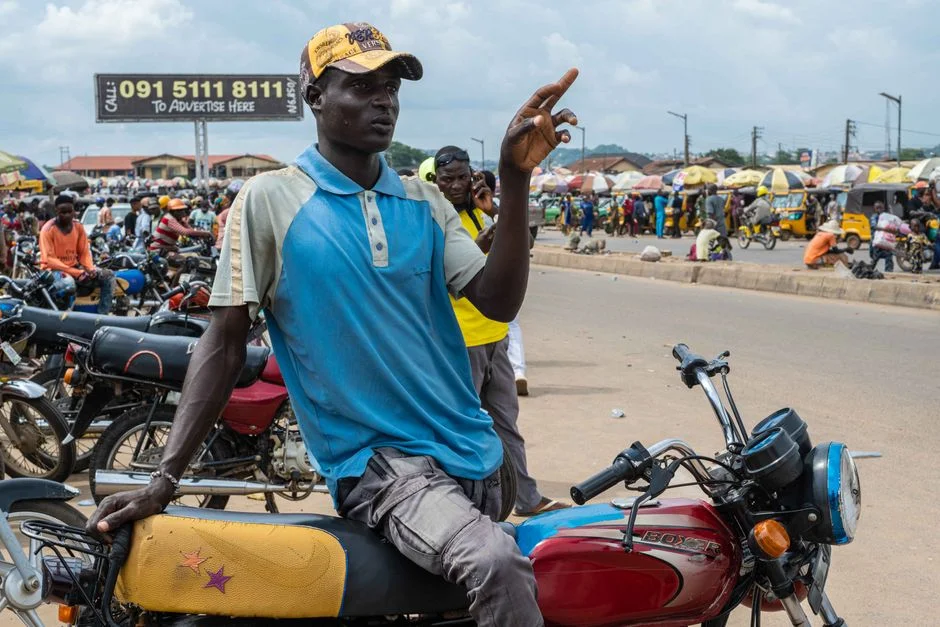
The recent missile strikes in the Gulf region have caused significant concern among the African migrant community in Dubai. Many migrants, primarily from Nigeria and other African nations, are employed in sectors ranging from construction to hospitality. The ongoing violence has raised fears not only for their safety but also for their job security, as businesses grapple with instability.

The Economic Impact on African Migrants
Data from the UAE’s Ministry of Economic Development indicates that the African workforce constitutes a vital segment of the emirate's economy. However, with the Gulf facing military tensions, experts warn of potential layoffs and reduced job opportunities, which could have a cascading effect on remittances sent back to their home countries. In Nigeria, for instance, a decline in remittances could undermine economic recovery, complicating the nation’s efforts to meet its development goals.
Migrants' Health and Wellbeing Under Threat
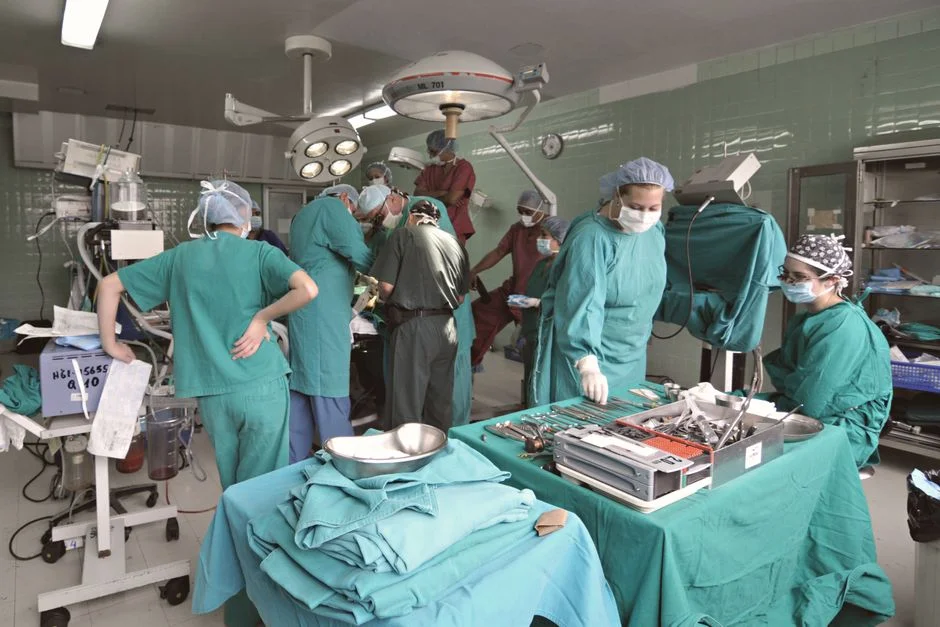
Health professionals have expressed concern about the mental and physical wellbeing of African migrants amid the ongoing crisis. The uncertainty surrounding their employment status, coupled with the threat of violence, has led to increased stress and anxiety. This situation is critical as it directly impacts the broader public health landscape in the UAE, where numerous African nationals play essential roles in the healthcare sector.
Education and Governance Challenges for Migrants
Education opportunities for the children of African migrants in Dubai are also at risk. The instability caused by the conflict limits access to educational resources and creates barriers for families seeking to provide a stable environment for their children. Moreover, governance issues, including the lack of legal protections for migrants, exacerbate their vulnerability during times of crisis.
Opportunities Amidst the Challenges
Despite these challenges, there exists an opportunity for African nations and the UAE to collaborate more closely on migrant rights and welfare. Initiatives aimed at protecting migrant workers could enhance bilateral relations and provide a framework for sustainable development. This partnership could also pave the way for addressing long-term issues of governance and economic growth, aligning with broader African development goals.
What Lies Ahead for African Migrants?
As the situation unfolds, it is crucial for African governments and organisations to monitor the developments in the Gulf closely. The potential for increased instability poses risks not only for migrants but also for the economies of their home nations. Stakeholders must work collaboratively to ensure that the rights and wellbeing of African migrants are safeguarded, thus contributing to the continent’s resilience and growth amidst adversity.
See Also
- Sting Operation Exposes Discriminatory Housing Ads by Indians in London
- Cuidados Paliativos: 53% of Patients Died Waiting for Care in Nigeria
What is the latest news about african migrants brace for impact amid gulf missile strikes what it means for stability?
Why does this matter for economy-business?
What are the key facts about african migrants brace for impact amid gulf missile strikes what it means for stability?