Federal Minister of Livestock Development Mohammed Abba Kyari has confirmed a fresh wave of Foot and Mouth Disease (FMD) across Nigeria’s key agricultural belts. This announcement comes as the government struggles to contain the viral outbreak that threatens to destabilize the nation’s livestock economy. The disease has already spread to several states, forcing farmers to cull hundreds of cattle in a bid to halt its progression.
The Scale of the Livestock Crisis
The recent update from Minister Steenhuisen highlights the urgency of the situation facing Nigerian herders. Reports indicate that over 50,000 cattle have been affected in the North-Central and North-East regions alone. This figure represents a critical blow to smallholder farmers who rely on dairy and beef production for their daily income. The virus, which causes fever, blisters, and lameness in cattle, spreads rapidly in areas with poor sanitation and high animal density.
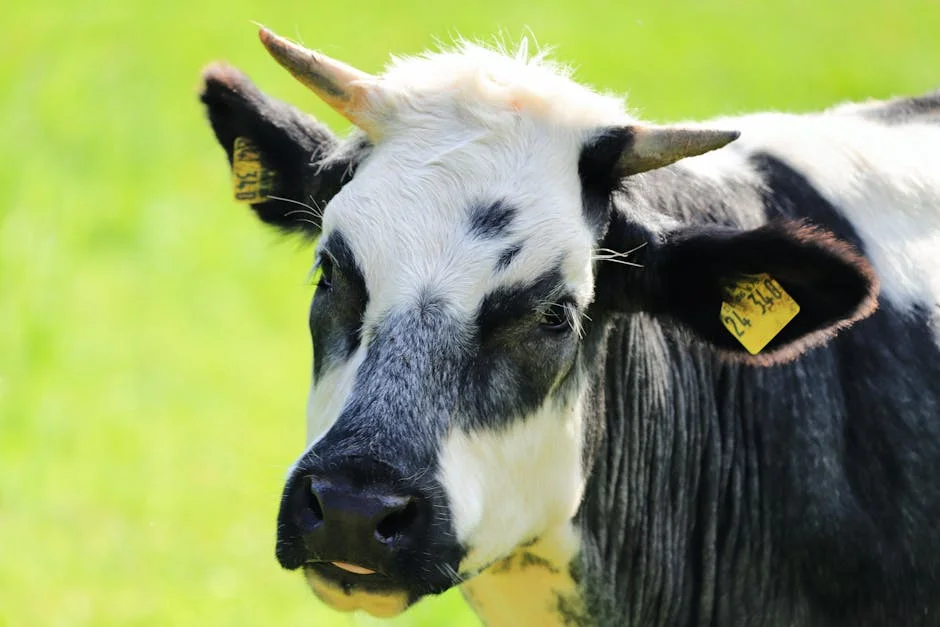
The economic implications are immediate and severe. With a significant portion of the herd either sick or quarantined, the supply of fresh milk and beef is expected to dwindle. This scarcity will inevitably drive up prices in major markets such as Kano, Kaduna, and Abuja. For the average Nigerian household, the cost of protein will rise, exacerbating the existing inflationary pressures on food baskets across the country.
Challenges in Continental Health Governance
This outbreak underscores a persistent weakness in African agricultural governance: the fragmentation of disease control mechanisms. While the African Union has long championed the Agenda 2063 goal of transforming agriculture, implementation at the national level often lags. Nigeria’s struggle with FMD reflects a broader continental challenge where cross-border movement of livestock is frequent, yet veterinary border posts remain underfunded and understaffed.
Infrastructure Gaps in Veterinary Services
The lack of robust cold-chain infrastructure for vaccine storage is a critical bottleneck. In many rural communities, vaccines spoil before they reach the animals, rendering millions of Naira in government spending ineffective. Furthermore, the shortage of veterinary officers means that diagnosis often arrives too late to save the most vulnerable herds. This infrastructure deficit is not unique to Nigeria but is a shared hurdle for many African nations aiming to boost their agricultural output.
Effective governance requires more than just policy declarations; it demands logistical precision. The current crisis reveals that without reliable data systems and rapid response teams, even well-funded interventions can falter. This gap in execution threatens to stall progress toward food security goals that are central to the African Development Bank’s high-five agenda for the continent.
Economic Ripples Across the Continent
The impact of Nigeria’s FMD outbreak extends beyond its borders, affecting regional trade dynamics. As the largest livestock producer in West Africa, Nigeria’s output influences prices in neighboring countries like Benin, Niger, and Cameroon. A surge in Nigerian beef prices will likely cause a ripple effect, forcing importers to adjust their tariffs and consumers to alter their purchasing habits. This interconnectedness highlights the need for a more unified pan-African approach to livestock health management.
Investors are also watching this development closely. The livestock sector is often seen as a low-hanging fruit for agricultural investment in Africa, but disease outbreaks introduce significant risk. Foreign direct investment in agri-tech and veterinary services may slow down if the perceived risk of biological shocks remains high. Conversely, this crisis presents an opportunity for innovative solutions, such as digital tracking systems for cattle and drone-delivered vaccines, to gain traction in the market.
Pathways to Resilience and Growth
Addressing the FMD crisis requires a multi-faceted strategy that combines immediate tactical responses with long-term structural reforms. The Nigerian government must prioritize the vaccination campaign, ensuring that the most susceptible breeds receive timely treatment. This effort must be supported by improved farmer education on hygiene and quarantine practices. Engaging the community is essential, as herders are often the first line of defense against the spread of the disease.
Long-term resilience depends on strengthening the institutional framework for animal health. This includes increasing the budgetary allocation for the Ministry of Livestock Development and fostering public-private partnerships. Private sector involvement can bring efficiency and innovation to vaccine distribution and market access. By leveraging technology and data, Nigeria can build a more transparent and responsive livestock sector that can withstand future biological shocks.
What to Watch in the Coming Weeks
The next critical phase will involve the assessment of the vaccination coverage in the most affected states. Stakeholders should monitor the release of the quarterly livestock report from the National Bureau of Statistics for updated figures on herd size and productivity. Additionally, the upcoming meeting of the West African Livestock Association will likely feature FMD as a primary agenda item, with potential decisions on cross-border quarantine measures. Investors and policymakers alike should keep a close eye on these developments, as they will shape the trajectory of Nigeria’s agricultural recovery in the second half of the year.
See Also
- DR Congo Ebola Death Toll Hits 65 — Africa’s Health Infrastructure Under Scrutiny
- Kenyan Youths Protest US Ebola Quarantine at Laikipia Air Base — Tensions Rise
What is the latest news about nigeria declares fmd emergency livestock sector braces for shock?
Why does this matter for health-medicine?
What are the key facts about nigeria declares fmd emergency livestock sector braces for shock?