Deforestation in the Central African Republic is driving down river water levels and reducing oxygen content, which is making it harder for fish to breed. Experts confirm that the loss of tree cover is directly altering the river ecosystem, leading to muddier waters that disrupt the natural breeding cycles of local fish populations.
How Tree Loss Is Changing River Ecosystems
The Central African Republic is facing a dual environmental challenge as deforestation accelerates. The removal of trees from riverbanks removes the natural filtration system that keeps water clear and oxygen-rich. Without this vegetation, soil erosion increases, causing rivers to become muddier. This sediment buildup blocks sunlight and reduces the oxygen levels that fish need to survive and reproduce.
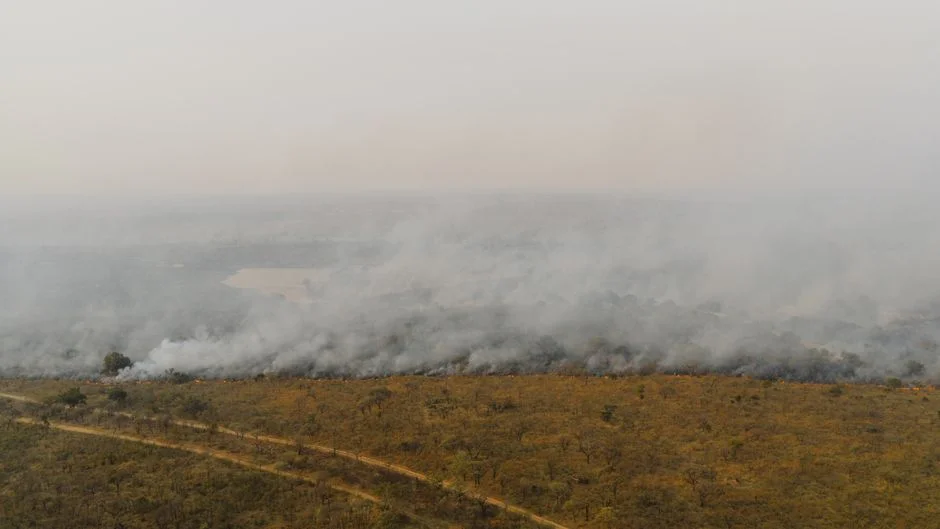
Experts point out that lower water levels are a direct consequence of reduced rainfall retention in deforested areas. Trees play a critical role in the water cycle by releasing moisture into the atmosphere and stabilizing soil. When these trees are removed, the land cannot hold water effectively, leading to drier riverbeds during dry seasons and faster runoff during rains. This fluctuation makes it difficult for fish to find stable breeding grounds.
The impact on fish stocks is immediate and measurable. Muddy water with low oxygen content forces fish to migrate or reduces their survival rates. This affects the livelihoods of communities that rely on fishing for protein and income. The Central African Republic Experts latest news highlights that this is not just an ecological issue but a direct threat to food security in the region.
Deforestation explained through this lens shows a clear chain of cause and effect. Tree removal leads to soil erosion, which leads to muddy water, which leads to lower oxygen levels, which leads to reduced fish breeding. This cycle is now visible in the Central African Republic, where communities are seeing fewer fish in their rivers. The Central African Republic environment update confirms that this trend is accelerating as more land is cleared for agriculture and fuel.
The Central African Republic Experts impact on Nigeria and other neighboring countries lies in the shared river systems. Many rivers in Central Africa flow across borders, meaning that deforestation in one country can affect fish stocks in another. This cross-border ecological shift means that local governance in the Central African Republic has regional implications. If fish stocks decline in the Central African Republic, it could lead to increased fishing pressure in neighboring countries, straining their own resources.
Deforestation news today often focuses on carbon emissions, but the local impact on water and food is equally critical. The Central African Republic is losing its tree cover at a rate that threatens these aquatic ecosystems. The loss of trees means less shade for rivers, which can raise water temperatures. Warmer water holds less oxygen, further stressing fish populations. This is a key part of why deforestation matters beyond just climate change.
Communities in the Central African Republic are already feeling the effects. Fishermen are reporting lower catches and smaller fish. This is a direct result of the changing water conditions. The Central African Republic Experts are calling for more localized conservation efforts to protect riverbanks. These efforts could include reforestation projects and better land-use planning to reduce erosion.
The situation in the Central African Republic serves as a warning for other regions with similar ecosystems. Deforestation is not just a distant environmental issue; it is a immediate threat to livelihoods. The link between trees, water quality, and fish stocks is clear. Protecting forests is essential for maintaining healthy rivers and sustainable fishing industries.
Looking ahead, the next few months will be critical for assessing the full extent of the damage. Experts will likely release more detailed data on fish populations and water quality. This information will help determine whether current trends are reversible or if they require more drastic intervention. Communities and governments will need to act quickly to protect the remaining tree cover and restore degraded riverbanks.
See Also
- South Africa Delays World Cup Trip Over Visa Issues — Fans Left Disappointed
- Ghana Fans Erupt in Black Star Square After Stunning England Stalemate