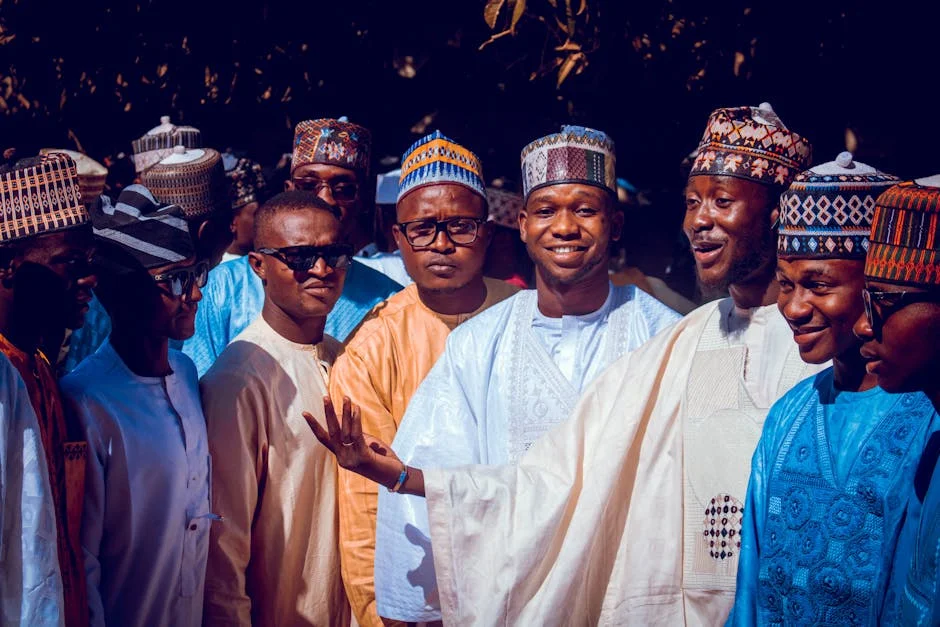
Nigeria's President Bola Tinubu marked his third anniversary in office on Friday, asserting that the nation is undergoing a historic test of its resilience and potential. Addressing supporters in Abuja, Tinubu outlined the reforms his administration has implemented, stating that they are pivotal to steering Nigeria towards a prosperous future.
Reforms and Economic Strategy
Tinubu highlighted the removal of fuel subsidies as a cornerstone of his administration's economic strategy. In 2023, the government allocated approximately $10 billion to support low-income families affected by rising fuel prices.
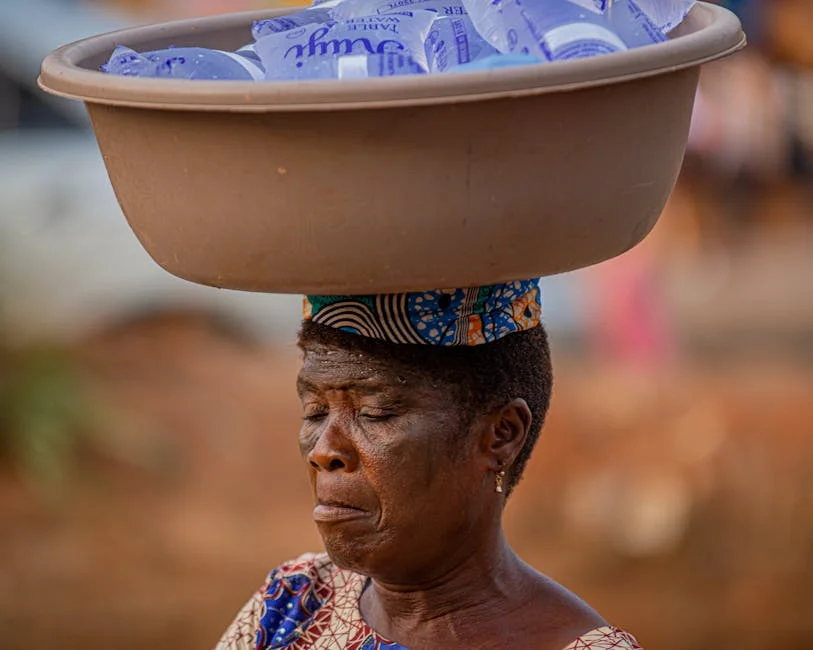
The President emphasized that these changes, although initially painful, are essential for creating a more sustainable economic environment. He stated, "The past three years have been challenging, but they lay the groundwork for a more robust future. Real change requires sacrifice."
Infrastructure Development Initiatives
Significant strides in infrastructure development have also taken centre stage in Tinubu's agenda. During his address, he pointed to ongoing projects in Lagos, where a new light rail system is expected to ease traffic congestion and stimulate local economies.
Officials estimate that the Lagos rail project could create over 15,000 jobs and enhance public transport within the sprawling city. Tinubu declared that efficient infrastructure is not merely a luxury but a necessity for Nigeria's growth.
Health Sector Improvements
Health care has seen substantial investment under Tinubu's leadership, with an annual growth of 25% in health spending since 2022. This push aims to tackle long-standing challenges in the sector, including inadequate facilities and access to essential medicines.
The Administration's goal is to improve health outcomes, reduce maternal mortality, and provide universal health coverage. Tinubu stressed, "A healthy nation is a productive nation, and we are committed to investing in our people."
Education Reforms and Future Plans
Education reform remains critical to Tinubu's vision for Nigeria. His administration has increased funding for public schools by 30% in the last year, aiming to enhance educational standards and reduce dropout rates.
With a focus on vocational training, Tinubu aims to equip young Nigerians with skills relevant to the job market. He asserted that education is key to unlocking the country's full potential and enabling economic growth.
Governance and Accountability
The President also addressed governance and the fight against corruption, emphasising the need for greater transparency. In recent months, his administration launched a digital platform to track government contracts and spending.
He mentioned, "Accountability is crucial for rebuilding public trust. We are making reforms to ensure that every naira spent is accounted for and benefits the people of Nigeria."
Continental Context and Global Implications
Tinubu's reforms come at a time when African nations are grappling with similar challenges, from economic instability to health crises. His administration's approach could serve as a model for other countries facing similar circumstances.
As Nigeria continues to navigate these reforms, Tinubu's leadership will be tested not just domestically but also on the continental stage, where collaboration among African nations is vital for shared prosperity.
Looking Ahead: Opportunities and Challenges
The coming months will be critical for Tinubu as he seeks to solidify his administration's legacy. The forthcoming national elections in 2027 will serve as a litmus test for public approval of his policies and reforms.
With challenges still on the horizon, including inflation and security concerns, the President's ability to maintain momentum will determine Nigeria's trajectory in the coming years. Citizens and investors alike will be watching closely to see if these ambitious reforms translate into tangible progress.
See Also
- Swinney Denies SNP Grocery Price Cap Is 'Potty Gimmick'
- Cheslin Kolbe's Japan Exit Triggers New Era for South African Rugby
Tinubu stressed, "A healthy nation is a productive nation, and we are committed to investing in our people."Education Reforms and Future PlansEducation reform remains critical to Tinubu's vision for Nigeria. He asserted that education is key to unlocking the country's full potential and enabling economic growth.Governance and AccountabilityThe President also addressed governance and the fight against corruption, emphasising the need for greater transparency.