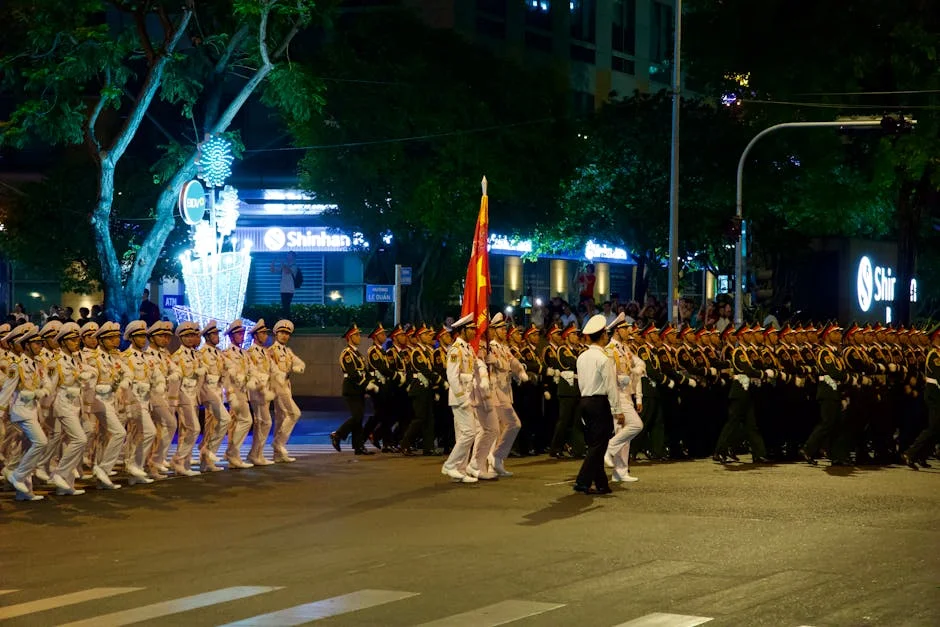
Vladimir Putin delivered a sharp rebuke of the North Atlantic Treaty Organization during a streamlined Victory Day parade in Moscow. The Russian president framed the conflict in Ukraine as an existential battle for European stability. This geopolitical shift carries profound implications for African nations seeking strategic autonomy.
The Scaled-Back Parade Signals Strategic Shifts
The annual May 9th celebration in Red Square typically showcases Russia’s military might to domestic and international audiences. This year, the spectacle was noticeably subdued compared to pre-war extravaganzas. Fewer troops marched, and the air force flyover was shorter. Putin used the podium not just to honor veterans but to articulate a broader narrative of Western encroachment.
He explicitly named NATO as the primary adversary threatening Russia’s historical sphere of influence. The speech avoided detailed tactical updates on the battlefield, focusing instead on the ideological war. This rhetorical pivot suggests Moscow is preparing its population for a prolonged confrontation. For African observers, this signals that the European theater may not resolve quickly.
Russia’s Economic Leverage on the Continent
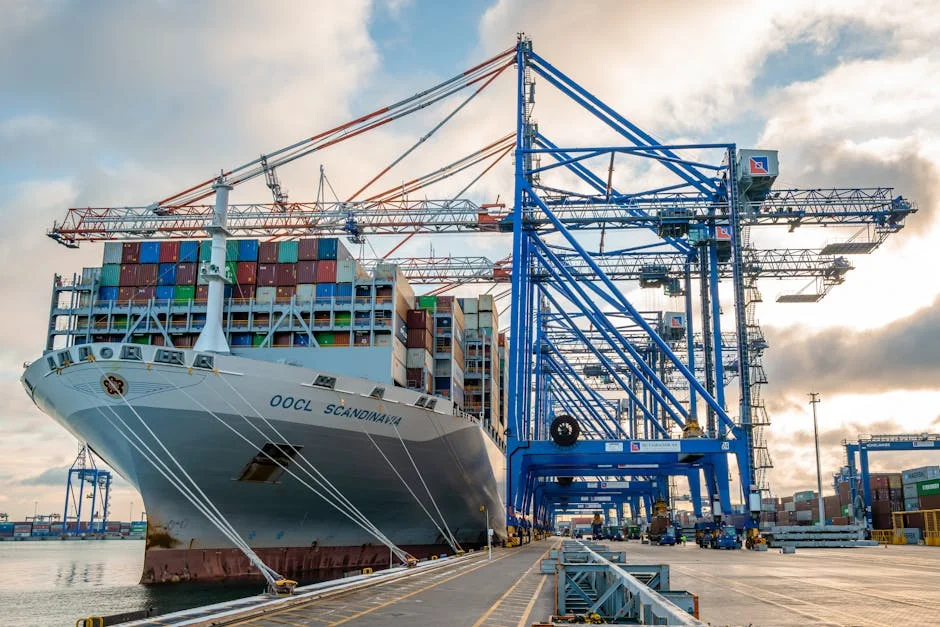
Africa’s economic relationship with Russia extends far beyond traditional diplomatic ties. The continent relies heavily on Russian exports for key agricultural inputs and energy. Nigeria, Africa’s most populous nation, imports significant quantities of wheat and fertilizer from Moscow. Disruptions in the Black Sea corridor directly impact food security across West Africa.
Recent data indicates that fertilizer prices have surged by over 30% since the conflict began. This inflationary pressure forces African governments to allocate more budget to subsidies. The Central Bank of Nigeria has had to adjust monetary policy to manage the resulting import bills. These economic realities make African leaders cautious about fully alienating Moscow.
Energy Dependencies and Oil Markets
Oil remains another critical link between Russia and African economies. Many African nations are net importers of crude and refined products. When global oil prices fluctuate due to sanctions or supply chain issues, African consumers feel the pinch immediately. The Russian impact on Nigeria is evident in the volatility of the Naira against the Dollar.
Moscow has actively sought to diversify its energy exports toward Asia and Africa. This strategy reduces Europe’s leverage as a buyer. For African countries, this creates an opportunity to negotiate better terms for oil imports. However, it also increases dependency on a single supplier, creating new vulnerabilities in the energy mix.
Diplomatic Balancing Act for African Leaders
African heads of state have adopted a nuanced approach to the Russia-Ukraine war. Few have imposed harsh sanctions on Moscow compared to their European counterparts. This stance is driven by pragmatic interests rather than pure ideological alignment. The African Union has called for a return to the primacy of the United Nations Charter.
President Putin’s latest remarks challenge this neutrality. By framing the conflict as a binary choice between Russia and NATO, he pressures African nations to pick a side. Leaders in Lagos, Accra, and Nairobi are navigating this pressure carefully. They seek to maintain trade flows while preserving diplomatic goodwill with Western partners.
This diplomatic tightrope walk is essential for securing development funding. Western institutions like the World Bank and the IMF remain crucial sources of capital for African infrastructure projects. Alienating these donors could stall critical development goals. Therefore, African diplomacy emphasizes multilateralism and economic pragmatism.
Impact on African Security and Peacekeeping
Security cooperation between Russia and Africa has expanded significantly in recent years. The Wagner Group, now largely rebranded under the African Corps, maintains a strong presence in several nations. Countries like the Central African Republic, Mali, and Sudan rely on Russian mercenaries for internal stability. This military partnership offers an alternative to traditional French and American influence.
Putin’s victory speech highlighted the success of these African engagements. He portrayed them as proof that the Global South is rising against Western hegemony. For African nations, this military alliance provides rapid deployment capabilities. However, it also raises questions about long-term sovereignty and debt dependency.
The security sector is a critical component of African development goals. Stable regions attract foreign direct investment and foster economic growth. If Russian military involvement expands further, it could reshape the security architecture of the Sahel. This shift requires careful monitoring by regional bodies like ECOWAS and the African Union.
Food Security and Agricultural Challenges
Ukraine and Russia are often referred to as the breadbaskets of the world. Their conflict has disrupted global grain supplies, hitting African importers hard. Nigeria alone imports over 10 million tons of wheat annually. A significant portion of this comes from the Black Sea region. Any blockage in the Danube or Black Sea routes sends prices soaring in local markets.
African governments are responding by boosting domestic agricultural production. The Nigerian government has launched initiatives to increase rice and maize yields. These efforts aim to reduce reliance on imported grains. However, building agricultural infrastructure takes time and significant capital investment. The immediate challenge remains managing inflation in the food sector.
The World Food Programme has warned that food insecurity could rise in the Horn of Africa. This region is particularly vulnerable to supply chain shocks. The Russian developments explained in recent news highlight the interconnectedness of global markets. African policymakers must integrate food security into their broader economic resilience strategies.
Infrastructure and the Belt and Road Initiative
Russia is using its influence in Africa to expand infrastructure projects. The African Union’s Agenda 2063 emphasizes the need for integrated infrastructure. Russia offers financing options that sometimes come with fewer political conditions than Western loans. This flexibility is attractive to cash-strapped African governments.
However, the quality and sustainability of these projects vary. Critics argue that Russian infrastructure investments often prioritize resource extraction. This model can lead to a new form of neo-colonialism. African nations must ensure that infrastructure deals support broad-based economic growth. Transparent contracting and local content requirements are essential tools.
The contrast between Chinese, Russian, and Western investment models is becoming clearer. Each offers different trade-offs in terms of cost, speed, and conditionality. African countries are leveraging this competition to secure better deals. This strategic positioning is vital for achieving sustainable development goals.
Future Outlook and Strategic Autonomy
The path forward for Africa requires a balanced and strategic approach. Leaders must continue to engage with both Russia and the West. This engagement should be driven by concrete economic benefits rather than geopolitical loyalty. The recent Putin developments explained in the media underscore the complexity of the global landscape.
African nations should focus on strengthening regional integration. A unified African market can increase bargaining power with external partners. Initiatives like the African Continental Free Trade Area (AfCFTA) are crucial for this goal. Stronger regional economies can better absorb external shocks from conflicts like the one in Ukraine.
Watch for upcoming African Union summits where the Russia-Ukraine conflict will likely be a key agenda item. Leaders will need to articulate a clear continental position. This position should balance immediate economic needs with long-term strategic autonomy. The next few months will reveal how African diplomacy adapts to the shifting global order.
See Also
- Bank Warns of Rate Hike as Iran Tensions Threaten Global Markets
- Vincent Smith Sentenced to 7 Years for Bosasa Kickbacks: What It Means for South African Governance