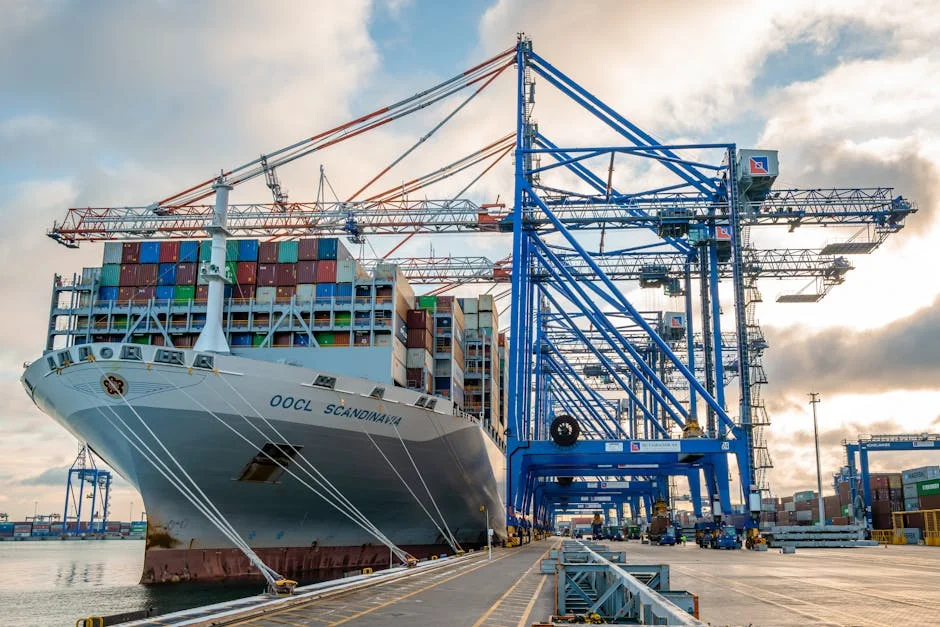
The Lobito Corridor stands at a critical juncture as global powers intensify their competition for Africa’s vital mineral resources. This strategic infrastructure link connects the mineral-rich interior of the Democratic Republic of Congo to the Atlantic port of Lobito in Angola. The corridor’s success or failure will determine how effectively African nations can leverage their natural wealth for sustainable economic growth. Investors and policymakers are watching closely to see if this project can deliver on its promise of transforming regional trade dynamics.
Strategic Importance of the Lobito Corridor
The Lobito Corridor is more than just a railway line; it is a geopolitical asset that links three African nations: Angola, the Democratic Republic of Congo, and Zambia. This infrastructure project aims to reduce the dependency on traditional trade routes that often funnel African exports through European or Asian hubs. By creating a direct link to the Atlantic Ocean, the corridor offers a faster and potentially cheaper route for exporting critical minerals like copper and cobalt. These minerals are essential for the global transition to green energy, making the corridor strategically valuable to international markets.

Angola has positioned itself as a key player in this regional integration effort. The country’s government has invested heavily in upgrading the railway infrastructure and port facilities to handle increased cargo volumes. This initiative aligns with broader African development goals that emphasize intra-continental trade and infrastructure connectivity. The success of the Lobito Corridor could serve as a model for other African regions seeking to optimize their export logistics and reduce transportation costs.
Global Competition for African Minerals
The race for Africa’s minerals has intensified with the involvement of major global powers. The United States, through the Lobito Corridor Initiative, has pledged significant financial support to boost the corridor’s capacity. This initiative is part of a broader strategy to secure supply chains for critical minerals needed for electric vehicles and renewable energy technologies. European nations, particularly Germany and France, are also increasing their engagement in the region to diversify their mineral sources and reduce reliance on traditional suppliers.
China remains a dominant force in Africa’s mineral sector, with extensive investments in mining operations and infrastructure projects. The country’s Belt and Road Initiative has facilitated the development of railways and ports across the continent, often tying mineral exports to Chinese manufacturing hubs. The competition between the US, Europe, and China creates both opportunities and challenges for African nations. While it drives investment and infrastructure development, it also requires African governments to navigate complex diplomatic and economic relationships to maximize benefits.
Diplomatic and Economic Implications
The involvement of multiple global powers means that African nations must carefully balance their economic interests with diplomatic considerations. Countries like Angola and the Democratic Republic of Congo are leveraging this competition to negotiate better terms for mineral exports and infrastructure development. This dynamic empowers African nations to play a more active role in shaping the global mineral supply chain. However, it also requires strong governance and strategic planning to ensure that the benefits of mineral wealth are widely distributed across the population.
The geopolitical competition also highlights the need for African nations to strengthen their institutional capacity to manage mineral resources effectively. Transparent governance, fair contract negotiations, and robust infrastructure maintenance are critical to ensuring that the Lobito Corridor delivers long-term economic benefits. Failure to address these challenges could result in missed opportunities and increased dependency on external actors.
Infrastructure Challenges and Opportunities
Despite its potential, the Lobito Corridor faces several infrastructure challenges that must be addressed to ensure its success. The railway line, which spans over 800 kilometers, requires continuous maintenance and modernization to handle the increasing volume of cargo. The port of Lobito also needs upgrades to improve efficiency and reduce turnaround times for ships. These infrastructure improvements require significant financial investment, which is being provided through a combination of public and private funding sources.
The development of the Lobito Corridor presents opportunities for local businesses and communities along the route. Improved infrastructure can stimulate economic activity by creating jobs and facilitating the movement of goods and people. Local suppliers can benefit from increased demand for services such as logistics, warehousing, and maintenance. However, ensuring that these benefits reach the local population requires targeted policies and strategic planning. Governments must work with private sector partners to create inclusive growth models that prioritize local employment and enterprise development.
Impact on Regional Economic Integration
The Lobito Corridor has the potential to significantly enhance regional economic integration in Southern and Central Africa. By connecting landlocked countries like Zambia and the Democratic Republic of Congo to the Atlantic coast, the corridor facilitates easier access to international markets. This connectivity can boost trade volumes and reduce transportation costs, making African minerals more competitive in the global market. The corridor also encourages the development of downstream industries, such as mineral processing and manufacturing, which can add value to raw exports.
Regional integration through infrastructure projects like the Lobito Corridor aligns with the African Union’s Agenda 2063, which aims to create a single market for goods and services. This agenda emphasizes the importance of infrastructure connectivity in driving economic growth and social development across the continent. The success of the Lobito Corridor could inspire similar initiatives in other regions, fostering a more integrated and resilient African economy. However, achieving this vision requires coordinated efforts among member states to harmonize policies, reduce trade barriers, and invest in shared infrastructure.
Governance and Sustainability Concerns
Governance remains a critical factor in determining the long-term success of the Lobito Corridor. Effective management of mineral resources requires transparent institutions, fair regulatory frameworks, and strong enforcement mechanisms. Corruption and inefficiency can erode the economic benefits of mineral wealth, leading to social unrest and political instability. African nations must prioritize governance reforms to ensure that the Lobito Corridor delivers sustainable development outcomes. This includes strengthening anti-corruption agencies, improving tax collection systems, and enhancing public accountability.
Sustainability is another key concern for the Lobito Corridor. The extraction and export of minerals have significant environmental impacts, including deforestation, water pollution, and carbon emissions. To mitigate these effects, stakeholders must adopt sustainable mining practices and invest in environmental protection measures. This includes implementing stricter environmental regulations, promoting the use of renewable energy in mining operations, and supporting reforestation and biodiversity conservation efforts. Balancing economic growth with environmental sustainability is essential for ensuring that the Lobito Corridor remains a viable asset for future generations.
Future Outlook and Key Milestones
The next phase of the Lobito Corridor development will focus on expanding capacity and improving efficiency. Key milestones include the completion of railway modernization projects, the expansion of port facilities, and the integration of digital technologies to streamline logistics operations. These developments are expected to increase the corridor’s annual cargo handling capacity to over 4 million tons within the next five years. Achieving these targets will require continued investment and coordination among stakeholders, including governments, private companies, and international partners.
Stakeholders should monitor the progress of infrastructure upgrades and the implementation of governance reforms in Angola, the Democratic Republic of Congo, and Zambia. The upcoming annual review of the Lobito Corridor Initiative will provide insights into the project’s financial performance and operational efficiency. Investors and policymakers should also watch for new partnerships and agreements that could further enhance the corridor’s competitiveness in the global mineral market. The decisions made in the coming months will shape the future trajectory of this critical African infrastructure asset.
What is the latest news about lobito corridor test can africas mineral hub defy global rivals?
Why does this matter for health-medicine?
What are the key facts about lobito corridor test can africas mineral hub defy global rivals?