Southern Africa's ports are facing significant challenges as global shipping routes are being redirected, leaving freight forwarders scrambling to adapt. This shift, driven by geopolitical tensions and changing trade dynamics, threatens to undermine economic growth in the region. Major ports such as Durban and Cape Town have seen a downturn in shipping traffic, raising concerns about the future of trade in Southern Africa.
Freight Forwarders Struggle Amidst Changes
Dr Jacob Rensburg, the president of the Southern African Association of Freight Forwarders, highlighted that the rerouting has resulted in a 30% decrease in container traffic at key ports. This decline not only impacts freight forwarders but also poses a risk to jobs and local economies that rely heavily on shipping activities. With businesses previously relying on these ports for trade, the repercussions are felt throughout the supply chain.
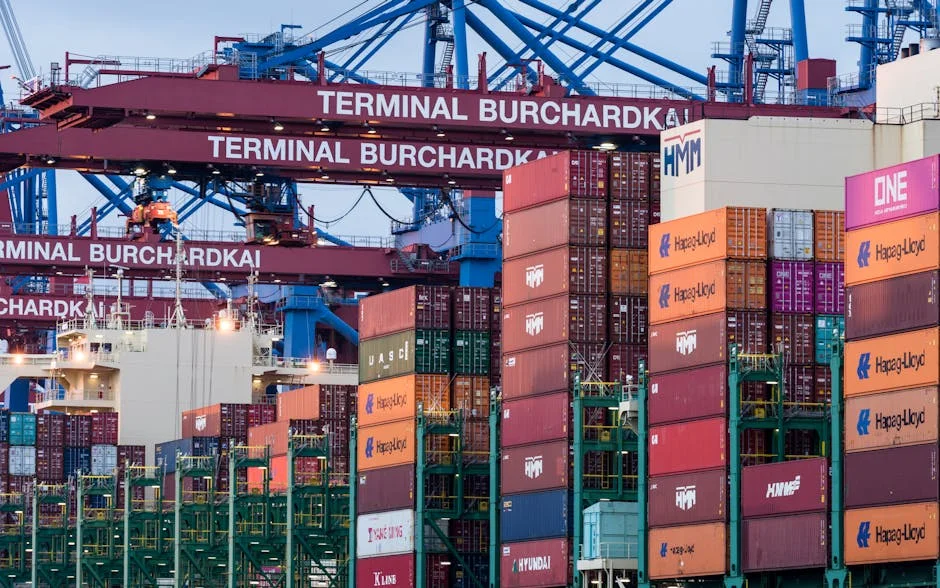
One notable example is the impact on the automotive sector, which depends on efficient shipping routes for exporting vehicles from South Africa. The decrease in shipping capacity could lead to delays in deliveries and increased costs for manufacturers, further complicating the recovery of a sector already struggling due to the pandemic.
Economic Implications for Southern Africa
The consequences of this shipping disruption extend beyond immediate trade losses. Southern Africa's economic growth hinges on robust trade infrastructure, and with ports struggling, the region may miss out on critical development goals. Countries like South Africa and Namibia must address these challenges to foster essential economic growth.
According to the Southern African Development Community (SADC), trade growth in the region is expected to slow significantly if these issues are not tackled promptly. The SADC has emphasised the need for improved logistics and trade facilitation to ensure that Southern Africa remains competitive in the global marketplace.
Regional Response and Opportunities
In response to the challenges faced, regional stakeholders are calling for collaborative efforts to enhance port efficiency. Freight forwarders are advocating for policy reforms that will streamline customs processes and improve infrastructure investments. These changes could provide an opportunity for Southern African countries to position themselves as key players in global trade.
Furthermore, investment in digital technologies could enhance operational efficiency for freight forwarders. By embracing innovation, Southern Africa can tackle the current disruptions while preparing for future challenges in the shipping industry.
The Role of Freight Forwarders in the Future
Freight forwarders play a crucial role in navigating the complexities of international shipping. Their expertise in logistics will be essential in adapting to the new realities of global trade. As the industry evolves, freight forwarders must remain agile and innovative to meet the demands of changing shipping patterns.
However, the success of these adaptations hinges on collaborative efforts between the government, businesses, and industry stakeholders. A united approach could lead to significant improvements in port operations and overall trade efficiency.
Looking Ahead: What to Watch
As Southern Africa grapples with the implications of rerouted shipping routes, stakeholders must remain vigilant. Upcoming meetings of the SADC will be critical in shaping the regional response to these challenges. Freight forwarders and policymakers need to work together to implement strategies that will mitigate the impact of these changes and ensure the viability of Southern Africa as a hub for international trade.
See Also
- Oil Price Surges to $100 Per Barrel as Middle East War Worsens - What It Means for Nigeria
- Nigeria's Controversial Ransom Payment Highlights Ongoing Development Challenges
These changes could provide an opportunity for Southern African countries to position themselves as key players in global trade.Furthermore, investment in digital technologies could enhance operational efficiency for freight forwarders. Their expertise in logistics will be essential in adapting to the new realities of global trade.
What is the latest news about southern africas ports lose shipping routes freight forwarders react?
Why does this matter for politics-governance?
What are the key facts about southern africas ports lose shipping routes freight forwarders react?