The continent faces a critical juncture as economic indicators shift and political landscapes evolve. This daily briefing captures the essential developments shaping Africa's trajectory toward sustainable development. Readers can understand how these changes directly impact national strategies and regional cooperation.
Economic Resilience and Trade Dynamics
Economic stability remains a primary concern for policymakers across the continent. Inflation rates in several key markets have begun to stabilize, offering a glimmer of hope for households. The African Continental Free Trade Area continues to drive integration efforts, reducing tariffs and boosting intra-continental commerce. These structural changes are vital for reducing dependency on external markets.
Nigeria’s economic policies serve as a bellwether for the broader region. The central bank’s recent monetary adjustments aim to curb currency volatility. Such measures are designed to attract foreign direct investment while protecting local industries. The success of these interventions will likely influence neighboring countries’ fiscal strategies in the coming quarters.
Infrastructure Development and Digital Growth
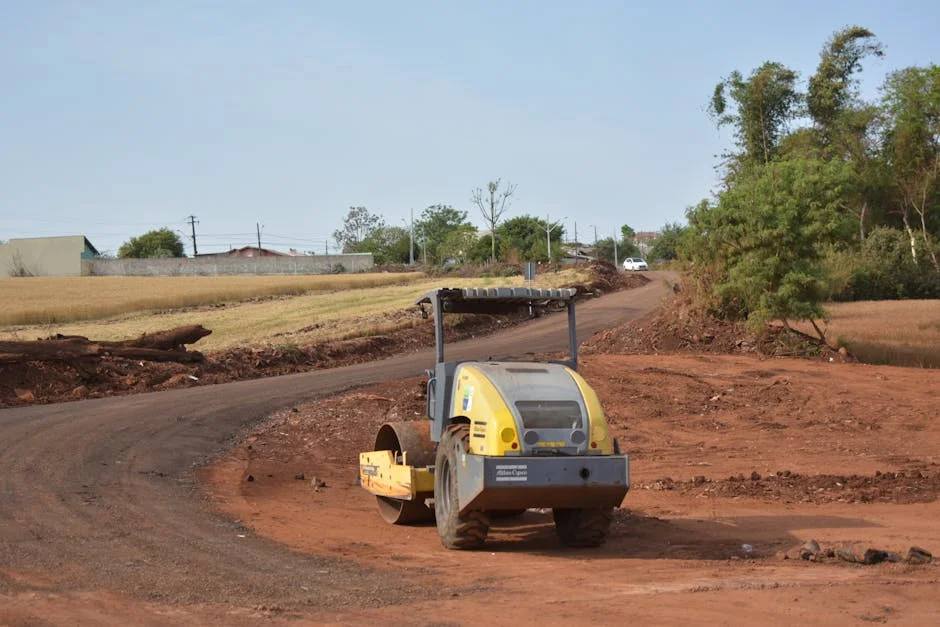
Infrastructure projects are accelerating in several West African nations. New railway lines and digital hubs are transforming logistics and communication networks. These investments are crucial for connecting rural producers to urban markets, thereby stimulating agricultural growth. The digital economy is expanding rapidly, creating new opportunities for the youth demographic.
Digital Inclusion Initiatives
Technology adoption is no longer limited to urban centers. Rural communities are gaining access to mobile banking and e-learning platforms. This digital divide reduction is essential for inclusive economic growth. Governments are partnering with tech firms to expand broadband coverage in underserved areas.
The focus on smart cities and sustainable energy grids is also gaining momentum. Renewable energy projects are reducing reliance on fossil fuels and lowering energy costs. These initiatives align with continental goals for green development and climate resilience. Private sector involvement is critical to scaling these infrastructure projects effectively.
Health Systems and Public Health Strategies
Public health systems are undergoing significant reforms to improve service delivery. Vaccination campaigns and primary healthcare centers are being expanded in remote regions. These efforts aim to strengthen disease surveillance and response mechanisms. The integration of digital health records is enhancing patient care and data accuracy.
Cholera and malaria remain persistent challenges in several countries. International aid organizations are collaborating with local ministries to enhance treatment facilities. The goal is to reduce mortality rates and improve overall life expectancy. Sustainable funding models are being explored to ensure long-term health system stability.
Education Reform and Human Capital
Education systems are adapting to meet the demands of a modern economy. Curriculum updates emphasize STEM subjects and vocational training. These changes aim to equip students with skills relevant to the job market. Teacher training programs are also being intensified to improve teaching quality.
Youth unemployment remains a pressing issue requiring innovative solutions. Entrepreneurship hubs and incubators are supporting young innovators across the continent. Access to credit and mentorship is critical for startup success. Governments are introducing policies to encourage private sector investment in education.
Governance and Political Stability
Political stability is essential for attracting investment and fostering growth. Several nations are holding elections that will shape their future trajectories. Voter turnout and transparency are key factors in determining the legitimacy of outcomes. Civil society organizations are playing a vital role in monitoring electoral processes.
Regional bodies are working to mediate conflicts and promote diplomatic solutions. The African Union’s peacekeeping missions are adapting to new security threats. These efforts aim to create a conducive environment for economic activity. Strengthening institutions is a long-term goal for enhancing governance effectiveness.
Environmental Challenges and Climate Action
Climate change poses significant risks to agriculture and water resources. Droughts and floods are becoming more frequent and severe. Adaptation strategies include drought-resistant crops and improved irrigation systems. These measures are crucial for ensuring food security for millions of people.
Renewable energy investments are accelerating to reduce carbon footprints. Solar and wind farms are being developed in sun-rich and windy regions. These projects are creating jobs and reducing energy costs for consumers. International climate finance is supporting these transitions in developing economies.
Regional Cooperation and Integration
Regional economic communities are strengthening ties through shared policies. Harmonizing regulations is facilitating cross-border trade and investment. Infrastructure corridors are connecting major economic hubs across borders. These initiatives aim to create a more integrated and competitive continental market.
Cultural exchanges and educational partnerships are also fostering unity. Student mobility programs and joint research projects are enhancing collaboration. These soft power initiatives complement economic and political integration efforts. A unified voice on the global stage enhances Africa’s negotiating power.
Looking Ahead: Key Dates and Upcoming Events
Several important events are scheduled in the coming months. The African Union summit will focus on economic recovery and social inclusion. Investors should watch for policy announcements that could impact market dynamics. These developments will provide clarity on the continent’s growth trajectory.
Readers should monitor inflation data and employment reports from key economies. These indicators will reveal the effectiveness of current economic strategies. Staying informed about these trends is essential for making informed decisions. The next quarter will be critical for assessing progress toward development goals.
See Also
- Kenneth Roth's Insights on Humanitarian Law and Its Impact on Africa
- Himanta Sarma Swings Assam BJP With Congress Defectors Ahead of Polls