The River Lugg in Herefordshire has turned into a toxic slurry, forcing residents like Tony Coyle to live in makeshift sheds due to overwhelming sewage overflow. This local environmental disaster highlights a critical infrastructure failure that mirrors challenges across the African continent. Communities in Nigeria and Kenya face similar crises where rapid urbanization outpaces waste management systems.
Water security is a cornerstone of sustainable development, yet pollution remains a silent killer in many developing nations. The situation in Herefordshire serves as a stark reminder of what happens when governance lags behind growth. African leaders must look beyond immediate fixes and invest in resilient water infrastructure.
Living Conditions Deteriorate Rapidly
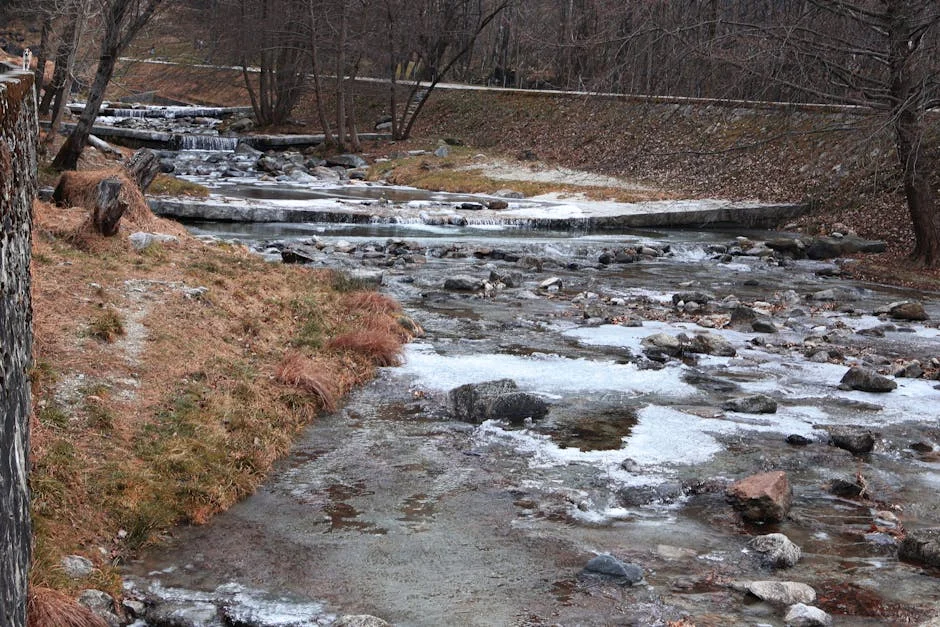
Tony Coyle describes a daily struggle that feels increasingly like a temporary stopgap rather than a permanent solution. His family resides in a shed because the smell of the River Lugg has become unbearable. The water, once a source of pride for the village, now bubbles with untreated sewage. This degradation of living standards directly impacts health and economic productivity.
Residents report that the pollution has intensified over the past six months. Jane, a local neighbor, notes that children are being kept indoors to avoid the pungent odor. The lack of immediate relief from local authorities has led to growing frustration. Such delays in response erode public trust in governance structures.
This scenario is not unique to the UK. In Lagos, Nigeria, flooding and sewage overflow regularly disrupt life for millions. The parallel is clear: without adequate investment, water bodies become dumping grounds. African cities must prioritize sewage treatment to prevent similar health crises.
Infrastructure Gaps Drive the Crisis
The root cause of the River Lugg’s pollution is an aging infrastructure system unable to handle current demand. Pipes that were laid decades ago are now bursting under pressure. This leads to frequent overflows that discharge raw sewage directly into the river. The cost of repair is high, but the cost of inaction is higher.
African nations face similar infrastructure deficits. Many water treatment plants in Sub-Saharan Africa operate at less than 60% capacity. This inefficiency means that treated water is often re-contaminated before it reaches consumers. Investing in modern infrastructure is not just an economic decision but a public health imperative.
Comparative Infrastructure Challenges
The challenges in Herefordshire and in African cities share common themes. Both regions struggle with funding gaps and bureaucratic delays. However, the scale of the problem in Africa is often more acute due to rapid population growth. Here is why infrastructure investment is critical:
- Improved water quality reduces the burden on healthcare systems.
- Reliable sewage systems attract foreign direct investment.
- Enhanced living conditions boost educational outcomes for children.
Policymakers in Africa can learn from the mistakes made in Herefordshire. Proactive maintenance is cheaper than reactive repairs. Governments must allocate sufficient budgetary resources to water and sanitation sectors.
Health Impacts on Local Communities
Untreated sewage contains a myriad of pathogens that threaten human health. E. coli, salmonella, and giardia are common contaminants in the River Lugg. Residents who come into contact with the water face increased risks of gastrointestinal infections. Children and the elderly are particularly vulnerable to these health threats.
In Africa, waterborne diseases account for a significant portion of mortality rates. Cholera outbreaks in Zimbabwe and typhoid in Ghana highlight the urgency of the issue. The economic cost of these health crises is substantial. Lost workdays and medical expenses drain household incomes and national treasuries.
The health burden also affects educational attainment. When children are sick, they miss school. This creates a cycle of poverty that is difficult to break. Investing in clean water is therefore an investment in human capital. African governments must prioritize health in their development agendas.
Governance and Accountability Issues
Local authorities in Herefordshire have faced criticism for their slow response to the crisis. Tony Coyle argues that the government has failed to deliver on its promises. This lack of accountability undermines the social contract between the state and its citizens. Trust is essential for effective governance and community cohesion.
Similar governance challenges exist in many African countries. Corruption and inefficiency often hinder the implementation of water projects. Citizens need transparent mechanisms to hold their leaders accountable. Digital platforms and community monitoring can help improve transparency.
Strengthening local governance is key to solving the water crisis. Decentralized decision-making allows for more responsive solutions. African nations should empower local governments to manage water resources effectively. This approach ensures that solutions are tailored to local needs.
Economic Consequences of Pollution
Water pollution has far-reaching economic implications. Property values near the River Lugg have begun to decline as the environment deteriorates. Businesses are also affected, particularly those in the tourism and hospitality sectors. The reputation of a location plays a crucial role in attracting visitors and investors.
In Africa, the economic cost of water pollution is estimated to be billions of dollars annually. This includes lost productivity, healthcare costs, and decreased agricultural yields. The fishing industry, for example, suffers when water bodies become contaminated. This impacts food security and local economies.
Investing in water quality can yield significant economic returns. Clean water attracts tourism and boosts real estate values. It also supports industrial growth by providing a reliable resource. African countries should view water infrastructure as an economic engine rather than a cost center.
Lessons for African Development Goals
The crisis at the River Lugg offers valuable lessons for African development. It underscores the importance of integrated water resource management. African nations must adopt a holistic approach that considers environmental, social, and economic factors. This aligns with the Sustainable Development Goals (SDGs) adopted by the United Nations.
SDG 6 focuses on ensuring availability and sustainable management of water and sanitation for all. African countries have made progress, but much work remains. The River Lugg example shows that even developed nations can struggle with water management. This highlights the need for continuous improvement and innovation.
African leaders should prioritize water security in their national development plans. This includes investing in infrastructure, strengthening governance, and engaging communities. Collaboration between governments, private sector actors, and civil society is essential. Only through collective effort can the water crisis be effectively addressed.
Future Steps and What to Watch
The resolution of the River Lugg crisis will depend on sustained investment and political will. Local authorities have announced a five-year plan to upgrade the sewage system. This plan includes replacing old pipes and building new treatment plants. Residents will be watching closely to see if these promises are kept.
African nations should monitor these developments and adapt strategies accordingly. The next few years will be critical for water infrastructure investment. Governments must secure funding from domestic and international sources. The African Development Bank and other institutions play a key role in financing these projects.
Readers should watch for policy changes and budget allocations in their respective countries. Upcoming elections may bring new priorities for water and sanitation. Community engagement will be vital in ensuring that projects meet local needs. The journey to clean water is long, but the destination is worth the effort.
See Also
- OUTsurance Secures Short-Term Insurer Title for Fourth Consecutive Year - What It Means for Nigeria
- Goldman Sachs Warns of Middle East Heat Impacting India's Energy Supply Chain: What It Means for Africa
Governance and Accountability Issues Local authorities in Herefordshire have faced criticism for their slow response to the crisis. The next few years will be critical for water infrastructure investment.