Kenyan runner Sabastian Sawe crossed the finish line in Nairobi with a time of 1:59:42, officially breaking the elusive two-hour marathon barrier. This achievement places Africa firmly at the forefront of global athletic excellence, challenging long-held European and American dominance in endurance sports. The victory is not merely a statistical milestone but a powerful statement about the potential of African talent when supported by strategic infrastructure.
A Historic Moment for Kenyan Athletics
The atmosphere at the Nairobi stadium was electric as Sawe approached the final kilometer. Spectators chanted his name, recognizing that this moment could redefine the national sports narrative. Sawe did not falter; he surged past the tape with a time that stunned commentators and rivals alike. His performance validates years of rigorous training and tactical planning by the Kenya Athletics Federation.
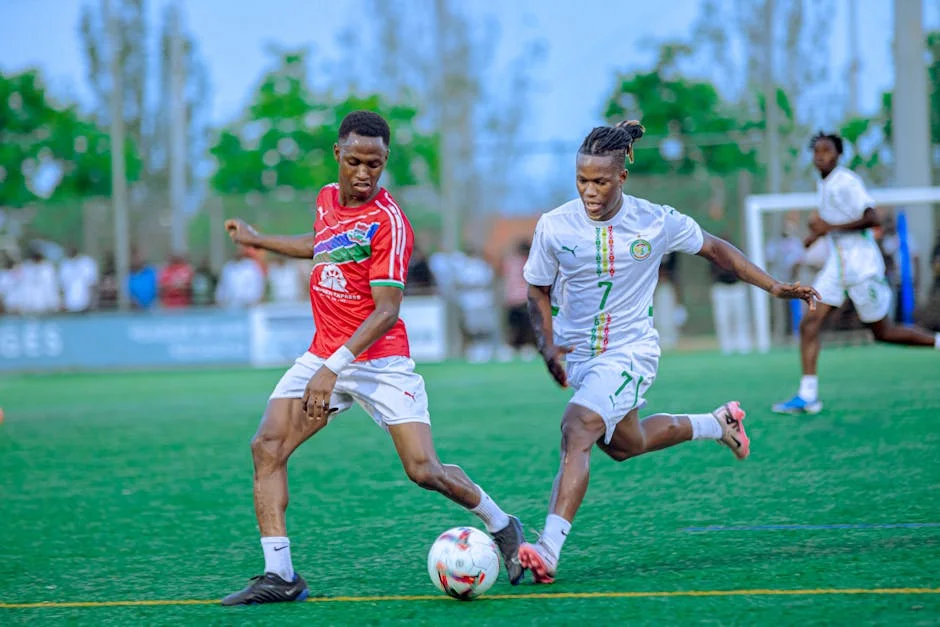
This sub-two-hour mark had long been considered the "hrown goose" of marathon running. Previous attempts by global stars had fallen short by mere seconds. Sawe’s success demonstrates that African athletes are not just participating in the global stage but are actively setting new benchmarks. The Kenya Athletics Federation has already announced plans to leverage this victory to attract more international sponsorship deals.
Infrastructure Investment Drives Performance
The road to this victory was paved with concrete investments in local training facilities. The Kenyan government, through the Ministry of Sports, has increased funding for high-altitude training camps in Iten and Nairobi. These facilities now rival those found in Europe, reducing the need for athletes to relocate early in their careers. This retention of talent ensures that economic benefits from prize money and endorsements remain within the local economy.
The Role of Technology in Training
Modern technology has played a crucial role in Sawe’s preparation. Wearable devices and data analytics allowed coaches to monitor his heart rate and oxygen levels in real-time. This scientific approach minimizes injury risks and optimizes recovery periods. The integration of technology in African sports programs is a growing trend that promises to enhance performance across various disciplines.
Investment in sports infrastructure also creates jobs and stimulates local economies. Construction of tracks, stadiums, and training centers employs local laborers and engineers. These projects often include community outreach programs, such as school sports days and coaching clinics, which foster a broader culture of fitness and competition. The ripple effect extends far beyond the finish line.
Economic Opportunities for African Athletes
Sawe’s victory opens new doors for commercial partnerships. Global brands are increasingly looking to Africa for authentic storytelling and market penetration. Athletes who achieve international recognition can command higher endorsement fees, improving their financial stability and that of their families. This economic empowerment is critical in regions where traditional employment opportunities may be limited.
The Kenya Athletics Federation reports a 15% increase in foreign direct investment in sports-related sectors following recent international successes. This influx of capital supports the creation of sports management firms, marketing agencies, and healthcare services tailored to athletes. The sector is evolving into a robust industry that contributes significantly to the national GDP.
For younger athletes, Sawe’s success serves as a tangible proof of concept. It demonstrates that with dedication and the right support systems, African runners can compete with and defeat global giants. This inspiration drives enrollment in local sports academies, creating a pipeline of talent that ensures long-term competitiveness. The cycle of success begets further success.
Health and Education Synergies
The emphasis on athletics promotes broader health outcomes for the African population. As sports gain popularity, more individuals engage in physical activity, leading to reduced rates of non-communicable diseases. Schools are integrating sports into their curricula, recognizing the dual benefits of physical fitness and academic discipline. This holistic approach to development aligns with continental health goals.
Education remains a cornerstone of athlete development. Many top Kenyan runners balance school and training, ensuring they have options beyond sports. Scholarships and educational grants are increasingly tied to athletic performance, incentivizing students to excel in both arenas. This dual focus reduces the risk of obsolescence for athletes whose careers may end due to injury or age.
The synergy between health and education creates a more resilient society. Healthy individuals are more productive workers, and educated citizens are better equipped to innovate and adapt. The sports sector, therefore, acts as a catalyst for broader social development, contributing to the overall well-being of the nation. This integrated approach is essential for sustainable growth.
Governance and Strategic Planning
Effective governance is critical to sustaining this momentum. The Kenya Athletics Federation has implemented transparent selection processes and financial management systems to build trust among stakeholders. These reforms have reduced internal conflicts and allowed for more strategic long-term planning. Good governance ensures that resources are allocated efficiently and that athletes receive fair treatment.
Collaboration between the government, private sector, and sports bodies is essential. Public-private partnerships have funded major infrastructure projects and international competitions. These collaborations bring together diverse expertise and resources, creating a more robust support system for athletes. The model used in Kenya could serve as a template for other African nations seeking to boost their sports sectors.
Policy stability also plays a role. Consistent funding and clear strategic goals allow athletes to plan their careers with confidence. The Ministry of Sports has outlined a five-year plan that includes targets for medal wins, infrastructure development, and athlete welfare. This clarity helps attract investment and fosters a sense of direction within the sporting community.
Continental Implications for African Development
Sawe’s victory has implications that extend beyond Kenya. It highlights the potential for African countries to leverage sports as a tool for soft power and economic growth. Other nations are taking note, leading to increased competition and collaboration across the continent. This pan-African perspective encourages shared learning and the pooling of resources to tackle common challenges.
The success of African athletes challenges stereotypes and showcases the continent’s dynamism. It demonstrates that Africa is not just a land of resources but also of talent and innovation. This shift in perception can attract more international attention and investment in various sectors, from tourism to technology. Sports, therefore, acts as a window into the broader potential of the African market.
Continental organizations like the African Union are increasingly recognizing the strategic value of sports. Initiatives to harmonize sports policies and create a unified African sports league are gaining traction. These efforts aim to reduce fragmentation and create larger, more competitive markets. A unified approach can amplify the impact of African sports on the global stage.
Challenges and Future Directions
Despite the successes, challenges remain. Funding gaps, infrastructure deficits, and bureaucratic hurdles can still hinder athlete development. Addressing these issues requires sustained political will and strategic investment. The Kenya Athletics Federation must continue to innovate and adapt to maintain its competitive edge. Vigilance is key to avoiding complacency.
The need for youth engagement is also critical. While top athletes shine, the base of the pyramid must be strengthened to ensure a steady stream of talent. Grassroots programs and school sports initiatives are essential for identifying and nurturing young runners. Investing in the youth is investing in the future of African athletics.
International competition is fierce. Other continents are increasing their investments in sports, raising the bar for African athletes. Continuous improvement and adaptation are necessary to stay ahead. The sub-two-hour barrier is just one milestone; the journey continues with new records and challenges on the horizon.
What to Watch Next
The next major test for Sabastian Sawe and the Kenyan team is the upcoming World Marathon Majors in Berlin. This event will gauge whether Sawe’s performance was a one-off or the start of a new era. Observers will also watch for policy announcements from the Ministry of Sports regarding the allocation of the new sponsorship funds. The outcome of these developments will shape the future of African athletics.
See Also
- Independent Doctors Union Warns of Delays Threatening National Health Service
- The Battle for Social Media Control: Implications for African Development
What is the latest news about kenyas sawe shatters twohour barrier redefining african athletic dominance?
Why does this matter for technology-innovation?
What are the key facts about kenyas sawe shatters twohour barrier redefining african athletic dominance?