The iconic HMS Victory has had its masts removed for essential conservation work aimed at preserving the historic ship for future generations. This significant undertaking, which commenced on 15 October 2023, marks a pivotal moment in the ongoing efforts to maintain the vessel, renowned as Lord Nelson's flagship during the Battle of Trafalgar in 1805.
Importance of HMS Victory
HMS Victory stands as a symbol of British naval history and maritime prowess. As a floating museum located in Portsmouth, England, it attracts over 300,000 visitors annually. The ship has been a key part of the UK's cultural heritage, representing not just naval might but also the ongoing dialogue about historical events and their implications for contemporary society.
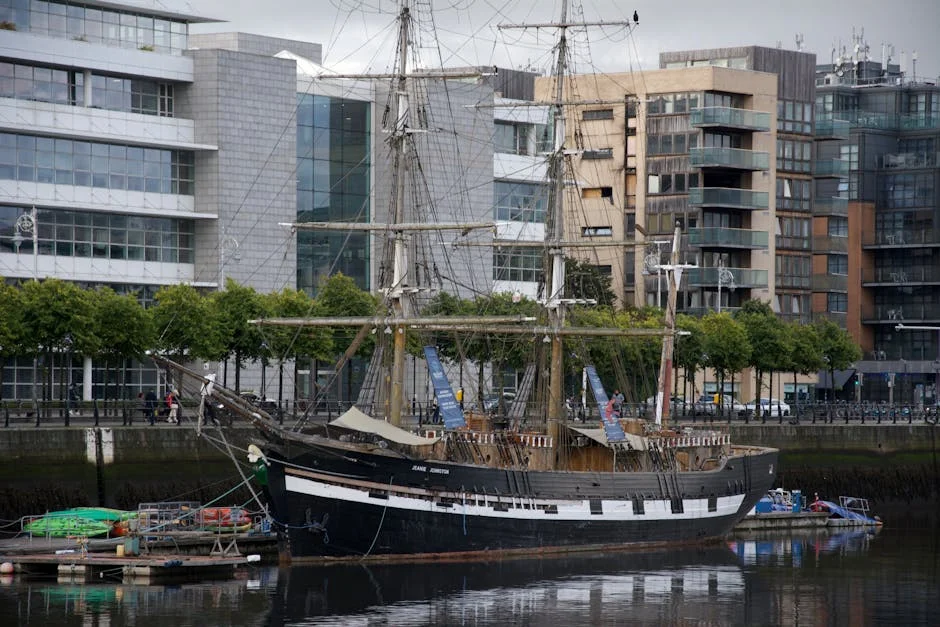
The removal of the masts is part of a broader initiative led by the National Museum of the Royal Navy (NMRN). This effort aims to address the wear and tear that the ship has endured over the centuries. With the masts reaching significant levels of deterioration, the conservation team has committed to restoring them to ensure HMS Victory continues to inspire future generations.
Context of Conservation Efforts
Restoration projects like this are critical, especially in a time when many institutions face budget constraints. The NMRN has allocated approximately £5 million to this conservation effort, which will also include repairs to the hull and other structural components. Such investments highlight the importance of maintaining historical sites as part of national identity and heritage tourism.
Beyond its historical significance, HMS Victory serves as a reminder of the need for sustainable conservation practices. This is particularly relevant in the context of African nations aiming to preserve their rich histories while also developing modern infrastructure.
Lessons for African Development
The conservation of HMS Victory resonates with broader themes in African development, particularly regarding the preservation of cultural heritage. Many African countries face challenges in balancing modern development with the need to respect and maintain their historical sites and traditions. As nations like Nigeria pursue economic growth, they must also consider their cultural legacies.
For example, Nigeria has a wealth of historical sites that are often overlooked in favour of rapid urbanisation and infrastructure projects. The lessons drawn from the HMS Victory project could serve as a model for African nations, emphasising the importance of investing in cultural heritage as a tool for tourism and education.
Opportunities for Growth and Tourism
Investment in cultural heritage conservation not only safeguards history but can also bolster economic development through tourism. According to the World Tourism Organization, cultural tourism accounts for approximately 40% of global tourism, illustrating the economic potential of well-preserved historical sites.
Nations such as Ghana and Kenya have begun to recognise the value of their cultural sites, implementing measures to boost tourism while promoting their rich narratives. The situation surrounding HMS Victory offers a compelling case study for African nations considering similar initiatives.
Future Prospects for HMS Victory
As the conservation work on HMS Victory progresses, the NMRN plans to provide regular updates on the status of the project. The masts are expected to be reinstalled by late 2024, showcasing the ship's grandeur once again. This timeline not only signals a restoration of one of Britain's most significant naval assets but also reinforces the importance of heritage in shaping national identity.
Looking ahead, it will be essential to monitor how the lessons learned from the HMS Victory project can influence broader discussions around cultural preservation in Africa. With many nations striving for sustainable development, integrating heritage conservation into national development strategies could unlock new opportunities for growth and unity.
See Also
- Spain’s Football Decline Warns Africa on Youth Development
- Chelsea 0-1 Manchester United in Historic Clash
This timeline not only signals a restoration of one of Britain's most significant naval assets but also reinforces the importance of heritage in shaping national identity.Looking ahead, it will be essential to monitor how the lessons learned from the HMS Victory project can influence broader discussions around cultural preservation in Africa. The lessons drawn from the HMS Victory project could serve as a model for African nations, emphasising the importance of investing in cultural heritage as a tool for tourism and education.Opportunities for Growth and TourismInvestment in cultural heritage conservation not only safeguards history but can also bolster economic development through tourism.