Medical professionals in Nigeria are facing a baffling new challenge as hundreds of patients report a mysterious skin condition that local doctors have yet to fully diagnose. The BBC has received numerous calls from individuals describing severe dermatological symptoms, yet there is no consensus on whether this represents a new disease or a widespread misdiagnosis. This uncertainty highlights critical gaps in the continent’s public health infrastructure and diagnostic capabilities.
Confusion in Nigerian Hospitals
Hospitals in Lagos and Abuja are seeing a surge in patients presenting with similar, yet unexplained, skin issues. Doctors report that the symptoms vary widely, making it difficult to pin down a single cause. Some patients describe intense itching and redness, while others report blistering or peeling skin. The lack of a unified diagnosis is causing frustration among both medical staff and patients seeking relief.
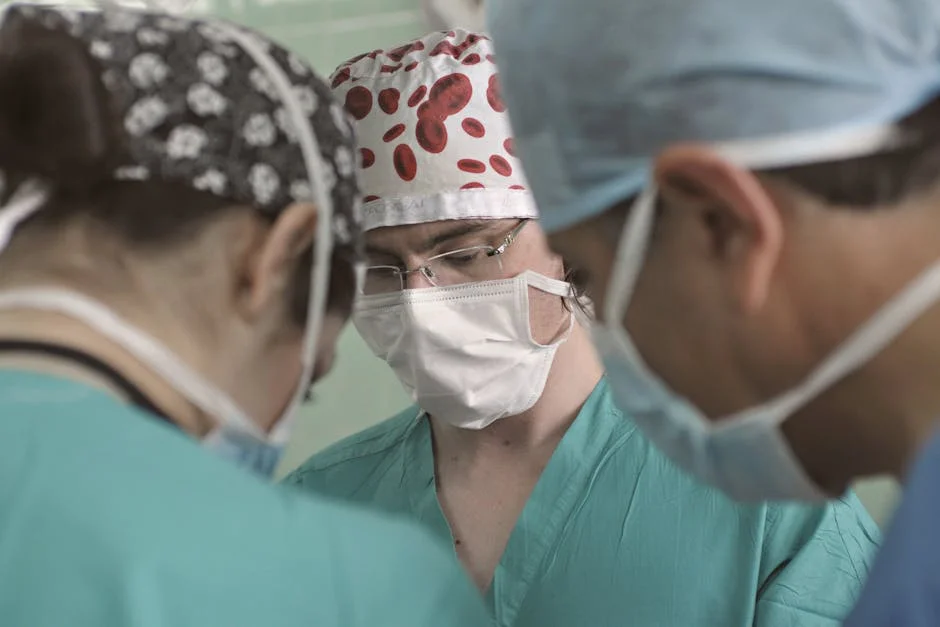
This situation underscores a broader issue in African healthcare systems: the reliance on clinical observation over advanced diagnostic testing. In many public hospitals, patients often wait weeks for results from basic blood tests, let alone specialized dermatological evaluations. The current crisis forces clinicians to treat symptoms rather than root causes, leading to a patchwork of treatments that may or may not be effective.
The Role of Media and Public Perception
The BBC’s recent coverage has amplified public anxiety about the condition. Many callers to the broadcaster have used strong language, describing their experience as living in 'hell'. This emotional response is driving more people to seek medical attention, potentially overwhelming already strained healthcare facilities. Social media platforms are also buzzing with anecdotes and self-diagnoses, further complicating the picture.
Impact on Public Trust
When medical experts cannot agree on a diagnosis, public trust in the healthcare system can erode quickly. Patients may begin to question the competence of local doctors or turn to traditional healers and online remedies. This fragmentation of care can lead to delayed treatment and worse outcomes for those with more serious underlying conditions. The challenge is not just medical but also communicative, requiring clear and consistent messaging from health authorities.
Diagnostic Challenges in Africa
Diagnosing rare or new conditions is inherently difficult anywhere in the world, but the challenges are magnified in Africa due to resource constraints. Many African nations lack the specialized equipment and trained personnel needed for advanced dermatological research. As a result, conditions that might be easily identified in Europe or North America can remain mysteries for months or even years in African clinics.
Furthermore, the diversity of Africa’s environment and population means that diseases can present differently than in other parts of the world. A condition that looks like eczema in London might be a reaction to a local allergen in Lagos. This complexity requires a nuanced approach to diagnosis that takes into account local factors such as climate, diet, and genetic predisposition.
Infrastructure Gaps in Healthcare
The current skin condition crisis is a symptom of deeper infrastructure gaps in Nigeria’s healthcare system. Many public hospitals struggle with basic supplies such as gloves, masks, and even clean water. These shortages can lead to cross-infections and complicate the diagnosis of new conditions. Without reliable infrastructure, it is difficult for doctors to isolate variables and identify the root cause of a health issue.
Investment in healthcare infrastructure is crucial for addressing these challenges. This includes not only physical buildings and equipment but also digital health records and telemedicine platforms. Digital tools can help doctors share information and collaborate on complex cases, potentially speeding up the diagnostic process. However, the digital divide in Africa means that these tools are not yet accessible to all patients.
Economic Impact of Health Uncertainty
Health uncertainty has a direct impact on economic productivity. When workers are sick and unsure of their diagnosis, they are more likely to take time off work or presenteeism—working while sick. This can lead to a decrease in output and increased absenteeism, which can have a ripple effect on the economy. In a country like Nigeria, where the informal sector employs a large portion of the workforce, even small health disruptions can have significant economic consequences.
Moreover, the cost of treating undiagnosed conditions can be a burden on households. Patients may spend money on multiple tests and treatments without knowing if they are addressing the root cause. This financial strain can push families further into poverty, creating a vicious cycle of health and economic insecurity. Addressing this issue requires a holistic approach that considers both medical and economic factors.
Pathways to Better Diagnostics
Improving diagnostic capabilities in Africa requires a multi-faceted approach. This includes increasing investment in medical education, particularly in specialized fields like dermatology. It also involves upgrading laboratory facilities and ensuring that hospitals have access to the latest diagnostic tools. Collaboration with international health organizations can help bring in expertise and resources to support local efforts.
Additionally, there is a need for more robust data collection and analysis. Tracking health trends and identifying patterns can help doctors anticipate and respond to new conditions more effectively. This requires a coordinated effort between government agencies, hospitals, and research institutions to create a comprehensive health data system.
What to Watch Next
Health officials in Nigeria are expected to release a preliminary report on the mysterious skin condition in the coming weeks. This report will likely include data on the number of cases, common symptoms, and potential causes. Readers should monitor announcements from the Federal Ministry of Health and major hospitals in Lagos and Abuja for updates. The next critical step will be the introduction of standardized diagnostic protocols to help doctors across the country identify and treat the condition more effectively.
Frequently Asked Questions
What is the latest news about doctors clash over mysterious skin epidemic sweeping nigeria?
Medical professionals in Nigeria are facing a baffling new challenge as hundreds of patients report a mysterious skin condition that local doctors have yet to fully diagnose.
Why does this matter for environment-nature?
This uncertainty highlights critical gaps in the continent’s public health infrastructure and diagnostic capabilities.
What are the key facts about doctors clash over mysterious skin epidemic sweeping nigeria?
Doctors report that the symptoms vary widely, making it difficult to pin down a single cause.
Economic Impact of Health Uncertainty Health uncertainty has a direct impact on economic productivity. In a country like Nigeria, where the informal sector employs a large portion of the workforce, even small health disruptions can have significant economic consequences.