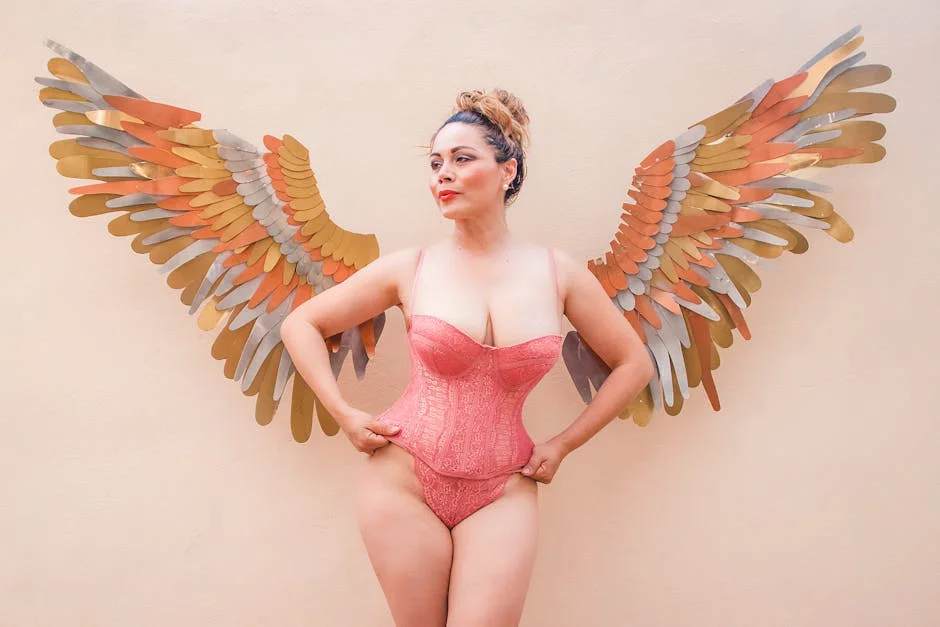
Heidi Klum stunned attendees at the 2026 Met Gala in New York with a custom-made ‘Living Sculpture’ ensemble that has ignited a fierce debate about global fashion standards. The supermodel’s bold choice highlights the growing influence of wearable art and raises critical questions for African designers seeking international recognition. This moment serves as a pivotal case study for the continent’s creative industries as they strive for greater visibility on the world stage.
The Impact of Global Fashion Icons on African Markets
When a global icon like Heidi Klum commands attention at the Met Gala, the ripple effects extend far beyond the red carpet. For the Nigerian fashion industry, such events represent both an opportunity and a challenge. Local designers in Lagos and Abuja often look to these global stages to gauge trends and identify gaps in the market. The ‘Living Sculpture’ concept, while avant-garde, underscores the need for African creatives to blend tradition with innovation to compete effectively.
The economic implications are substantial. The African fashion industry is projected to reach significant growth in the next decade, yet it remains underrepresented in major global exhibitions. By analyzing how Western celebrities utilize fashion as a medium for artistic expression, African stakeholders can develop strategies to enhance their own cultural exports. This is not merely about aesthetics; it is about economic empowerment and cultural sovereignty.
Challenges Facing African Creative Industries
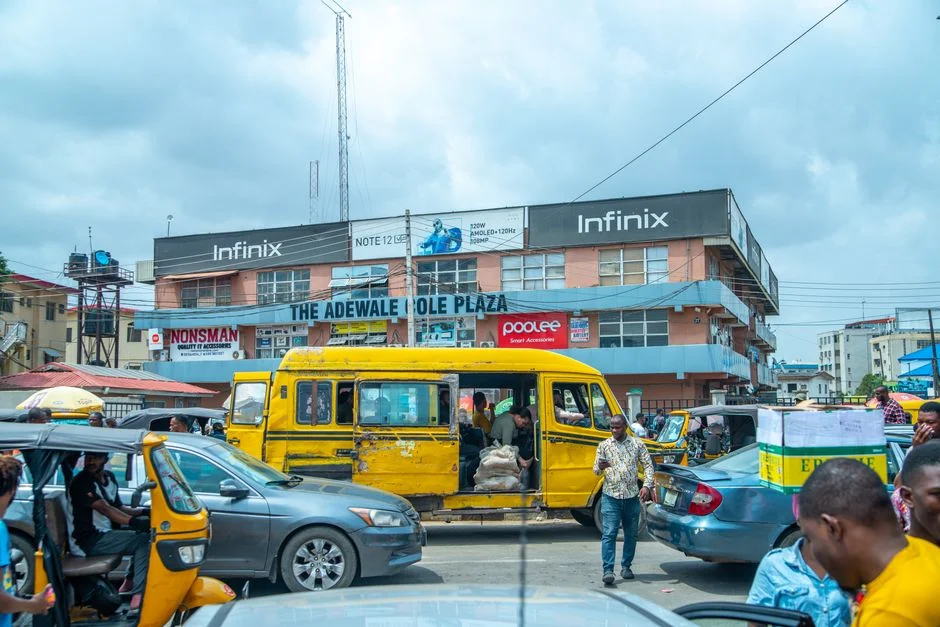
Despite the vibrant energy of markets like Onitsha and Lagos, African designers face systemic hurdles. Access to high-quality materials, consistent power supply, and international marketing channels remains a persistent challenge. These infrastructural deficits often force talented artisans to rely on expensive imports, thereby reducing profit margins and limiting scalability. The contrast between the seamless execution of Klum’s ensemble and the logistical struggles of local designers is stark.
Infrastructure and Investment Gaps
Investment in the creative sector has increased, but it is unevenly distributed. Major fashion weeks in Paris, London, and New York continue to dominate the narrative, often overshadowing emerging hubs in Accra, Nairobi, and Johannesburg. African governments must prioritize infrastructure development to support this burgeoning industry. Reliable electricity, improved transportation networks, and digital connectivity are essential for designers to meet international deadlines and quality standards.
Opportunities for Continental Growth
The global appetite for authentic African narratives presents a unique opportunity. Consumers are increasingly seeking stories behind their purchases, valuing craftsmanship and cultural heritage. African designers have the advantage of rich textile traditions, such as Ankara, Kente, and Aso Oke, which offer distinct visual identities. By leveraging these assets, the continent can carve out a premium niche in the global market, moving beyond being merely a source of raw materials.
Collaborations between African and international brands are becoming more common, offering a pathway for knowledge transfer and market access. These partnerships can help African designers navigate the complexities of global supply chains and branding. The success of such ventures depends on equitable terms and mutual respect for intellectual property rights. This approach can foster sustainable growth and enhance the continent’s soft power.
Strategic Steps for Nigerian Designers
To capitalize on these opportunities, Nigerian designers must adopt a strategic approach. This involves investing in brand storytelling, enhancing production capabilities, and building robust digital presences. Engaging with global platforms and leveraging social media can help amplify their reach and attract international buyers. Additionally, forming collectives or guilds can provide economies of scale and strengthen bargaining power.
- Invest in high-quality production facilities to ensure consistency and scalability.
- Develop strong brand narratives that highlight cultural heritage and modern innovation.
- Leverage digital platforms to reach global audiences and streamline sales processes.
Looking Ahead: What to Watch Next
The fashion industry is rapidly evolving, and the next few years will be crucial for African designers. Key indicators to watch include increased investment in local manufacturing, the emergence of new fashion hubs, and greater representation at global events. Policymakers should focus on creating favorable regulatory environments and providing targeted support for creative enterprises. The coming months will reveal whether the continent can translate its cultural wealth into sustained economic gains.
See Also
- US Approves Arms Sale to Israel Without Congress Approval: What This Means for Nigeria
- African Leaders Demand Data-Driven Trade Solutions to Fuel Growth — here's why it matters
Key indicators to watch include increased investment in local manufacturing, the emergence of new fashion hubs, and greater representation at global events. Develop strong brand narratives that highlight cultural heritage and modern innovation.