South Korea has announced a significant increase in coal usage to address a growing energy shortfall, as Asia grapples with rising energy demand exacerbated by the ongoing conflict in Iran. The move comes as governments across the region, including those in the Philippines and Israel, scramble to secure alternative energy sources amid global supply chain disruptions. The shift to coal, a highly polluting fuel, raises concerns over environmental sustainability and long-term energy strategy.

Asia's Energy Crisis Deepens

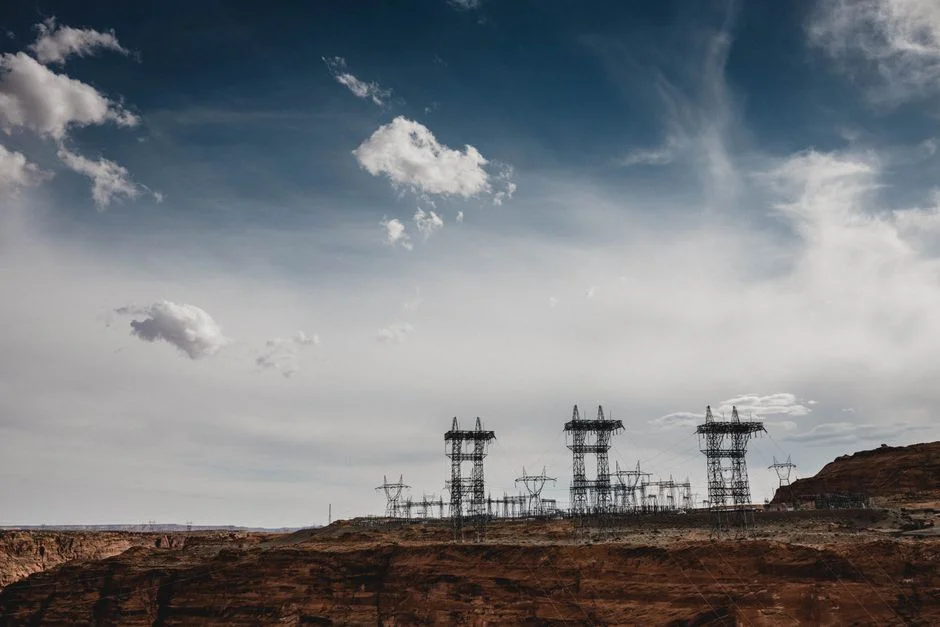
The energy shortfall in Asia has been largely driven by the conflict in Iran, which has disrupted global oil and gas supplies. Countries reliant on Middle Eastern energy imports have been forced to seek alternative solutions, often turning to more carbon-intensive options. South Korea, which depends heavily on imported energy, has announced plans to increase coal-fired power generation by 15% in the next year. This decision has sparked criticism from environmental groups and climate advocates who warn of the long-term consequences for air quality and carbon emissions.

South Korea Boosts Coal Use as Asia Faces Energy Crisis — Politics Governance
politics-governance · South Korea Boosts Coal Use as Asia Faces Energy Crisis

The Philippines has also reported a rise in coal dependency, with the government approving new coal plants to meet rising electricity demand. Meanwhile, Israel, which has historically relied on natural gas from the Mediterranean, is now exploring partnerships with African energy suppliers to diversify its energy sources. These developments highlight a broader trend in Asia and the Middle East, where energy security is becoming a top priority amid geopolitical instability.

South Korea's Energy Strategy Shifts

South Korea's decision to expand coal use is part of a broader energy strategy that includes increased investment in nuclear power and renewable energy. However, the immediate need for energy has led to a temporary reliance on coal, which is cheaper and more readily available than alternatives. The government has stated that this move is a short-term solution to ensure energy stability, but critics argue that it undermines long-term climate commitments.

The country's energy minister, Choi Ki-moon, acknowledged the challenges, stating, "We must balance energy security with environmental responsibility. While we are exploring cleaner alternatives, the immediate need for reliable energy cannot be ignored." This statement reflects the complex dilemma facing many Asian nations as they navigate energy crises without compromising their development goals.

Implications for Africa and Global Development

The energy decisions made in Asia have far-reaching implications for Africa, particularly in terms of trade, investment, and climate policy. As African nations strive to meet their development goals, including the African Union’s Agenda 2063, energy security remains a critical challenge. The shift to coal in Asia may influence energy policies in African countries, where coal is still a major source of power in countries like South Africa and Nigeria.

For Nigeria, the rise in coal demand in Asia could lead to increased exports of coal and other fossil fuels, potentially boosting the country’s economy. However, this also raises concerns about environmental degradation and the long-term sustainability of Nigeria’s energy mix. As Africa continues to develop, the balance between energy access and environmental protection will be a key issue for policymakers.

Looking Ahead: Energy, Development, and Global Cooperation

As Asia continues to navigate its energy challenges, the global community must work together to support sustainable development. African nations, in particular, can benefit from international partnerships that promote clean energy and infrastructure development. The recent energy crisis highlights the need for a coordinated approach to energy security, one that prioritizes both economic growth and environmental stewardship.

For now, the focus remains on short-term solutions, but the long-term impact of Asia’s energy choices will be felt across the globe. As South Korea and other nations continue to adjust their energy strategies, the path forward will require careful planning, innovation, and a commitment to sustainable development.

D
Author
Is a political journalist focused on governance, public policy, and international relations. He analyzes legislative developments, diplomatic trends, and institutional reforms shaping modern political systems. With experience covering elections, government accountability, and geopolitical cooperation, Daniel provides balanced and fact-driven reporting aimed at helping readers better understand complex political processes.

His work explores how policy decisions impact economic stability, civil society, and global partnerships, offering clear context behind major political events and governance challenges.