Businesses in Leiria, Portugal, are considering closures following the recent impact of Storm Kristin, which has caused widespread disruption. The storm, which struck the region in the early hours of the morning, has left parts of the city flooded and infrastructure damaged, raising concerns about the economic stability of local enterprises.
The storm has been described as one of the most severe to hit the area in recent years, with heavy rainfall and strong winds leading to power outages and road closures. Local authorities have issued warnings, urging residents to remain cautious as the situation continues to evolve. The economic fallout is already being felt, with several small and medium-sized businesses fearing significant losses.
Impact on Local Economy
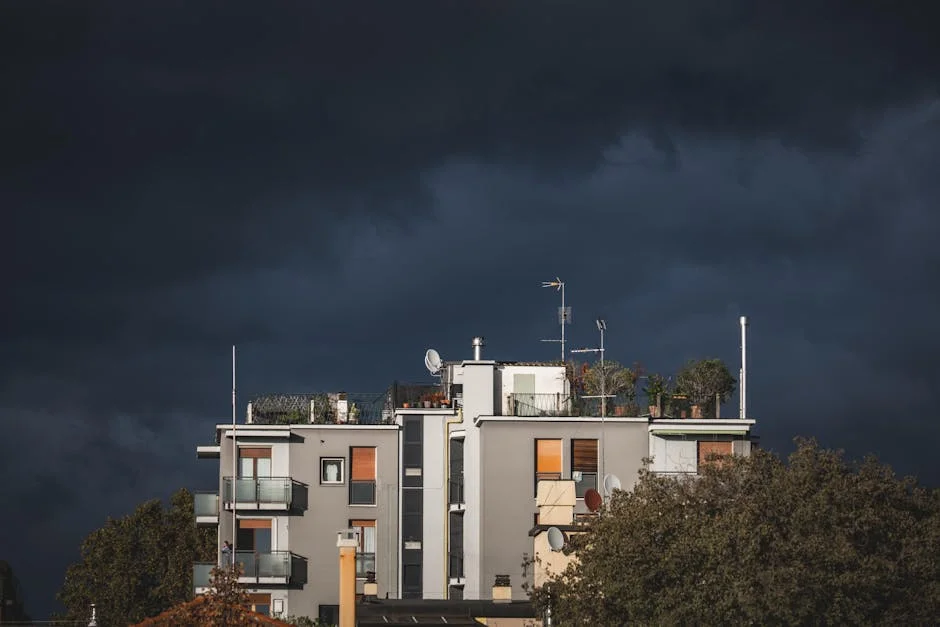
Leiria, a city known for its historical significance and growing industrial base, has seen a sharp decline in business activity following the storm. According to reports from the local newspaper Observador, at least two businesses have already suspended operations, with more considering similar actions. The uncertainty has created a ripple effect across the region, affecting suppliers, workers, and local services.
“The damage is extensive, and we are still assessing the full impact,” said a local business owner who wished to remain anonymous. “We are trying to stay open, but without electricity or access to our premises, it’s becoming impossible.” The situation has raised concerns about the resilience of small businesses in the face of extreme weather events, which are becoming more frequent due to climate change.
Government Response and Recovery Efforts
Local authorities have launched an emergency response, coordinating with national agencies to assess the damage and provide aid to affected businesses. The government has announced plans to offer financial support to small enterprises that have suffered losses due to the storm. However, the timeline for this assistance remains unclear, leaving many business owners in a state of uncertainty.
“We are doing everything we can to support the community,” said a representative from the Leiria municipal office. “But we need time to evaluate the damage and ensure that aid reaches those who need it most.” The response has been praised by some, but critics argue that more immediate action is needed to prevent further economic hardship.
Broader Implications for Infrastructure and Resilience
The incident highlights the growing challenge of climate resilience in urban areas, a concern that resonates across the African continent as well. As African nations work towards achieving development goals, the need for robust infrastructure and disaster preparedness is becoming increasingly urgent. Leiria’s experience serves as a cautionary tale for cities across Africa, where rapid urbanization and climate change are intersecting to create new vulnerabilities.
Experts suggest that investment in climate-adaptive infrastructure and early warning systems is essential for protecting economic stability. “The events in Leiria show how quickly a natural disaster can disrupt livelihoods and economies,” said a development analyst. “This is a lesson that African countries must take seriously as they plan for sustainable growth.”
Looking Ahead
As the recovery process begins, the focus remains on restoring power, clearing roads, and supporting affected businesses. The coming days will be critical in determining the long-term impact of Storm Kristin on Leiria’s economy. Meanwhile, the situation has sparked a broader conversation about the need for better climate adaptation strategies, not just in Portugal, but globally.
For now, residents and business owners in Leiria are bracing for the challenges ahead. With the potential for further disruptions, the city’s ability to bounce back will depend on coordinated efforts from local authorities, the private sector, and the community. The lessons learned from this event will shape future policies and investments in resilience, with implications that extend far beyond the region.
Broader Implications for Infrastructure and Resilience The incident highlights the growing challenge of climate resilience in urban areas, a concern that resonates across the African continent as well. Experts suggest that investment in climate-adaptive infrastructure and early warning systems is essential for protecting economic stability.