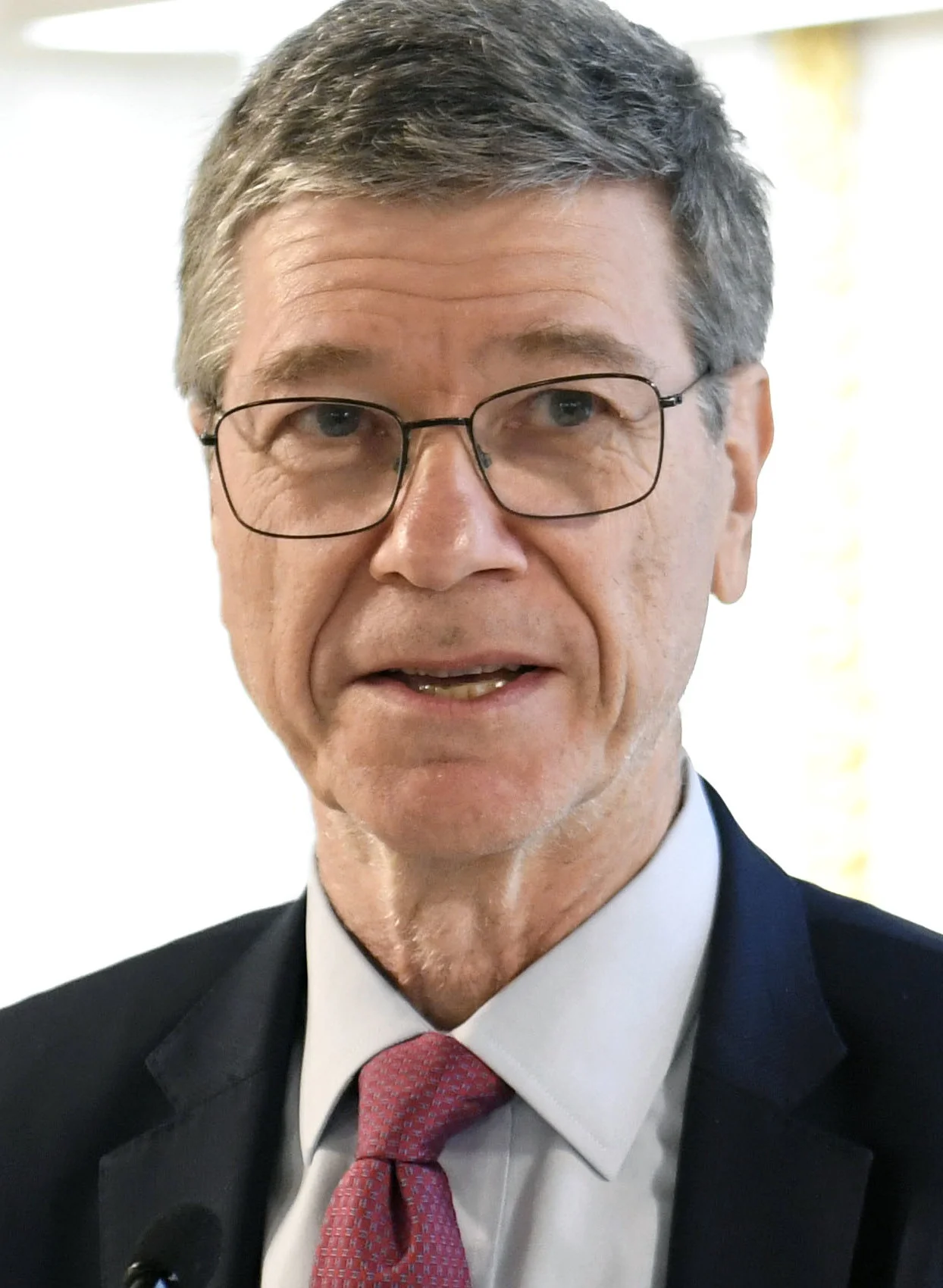
Nigeria has taken a significant step toward its ambitious $1 trillion economy goal by signing a strategic partnership with the Islamic Development Bank (IsDB). The agreement, announced in Lagos, aims to boost infrastructure, education, and health sectors, aligning with the country's Renewed Hope Agenda. The move comes as Nigeria seeks to overcome long-standing economic challenges, including inflation, energy shortages, and a struggling currency.
The partnership, led by IsDB President Anasse Aissami, is expected to unlock billions in funding for key development projects across the country. Aissami, a key figure in the global Islamic financial community, has emphasized the importance of private and public sector collaboration in driving sustainable growth. The deal marks a major milestone in Nigeria's quest to transform its economy and meet the United Nations Sustainable Development Goals (SDGs).
Strategic Partnership Details

The agreement includes a $500 million initial investment from the IsDB, with plans to scale up to $1.5 billion over the next five years. The funds will be directed toward renewable energy projects, digital infrastructure, and vocational training programs. These initiatives are designed to create jobs, reduce poverty, and improve access to essential services, especially in underserved regions of the country.
IsDB's involvement is particularly significant given its focus on development in Muslim-majority countries. Nigeria, with its large Muslim population, stands to benefit from the bank's expertise in financing projects that align with Islamic principles. Aissami stated that the partnership would not only support Nigeria's economy but also serve as a model for other African nations seeking to leverage international financial institutions for development.
Renewed Hope Agenda and Economic Outlook
The Renewed Hope Agenda, launched by the Nigerian government, sets out a clear roadmap for economic transformation. It includes measures to improve governance, attract foreign investment, and revamp the financial sector. The partnership with the IsDB is seen as a critical component of this agenda, offering much-needed capital and technical support to accelerate progress.
Experts argue that the success of the Renewed Hope Agenda hinges on effective implementation and transparency. While the IsDB's investment is a positive sign, challenges such as corruption, bureaucratic delays, and inadequate infrastructure could hinder progress. Analysts stress the need for strong oversight to ensure that funds are used efficiently and equitably.
Why Anasse Aissami Matters
Anasse Aissami's role in this partnership cannot be overstated. As the head of the IsDB, he has been instrumental in shaping the bank's development strategies and expanding its reach across Africa. His leadership has brought renewed focus to the continent's economic needs, particularly in the areas of education and healthcare.
Aissami's presence in Nigeria is expected to foster greater confidence among investors and international partners. His experience in managing large-scale development projects has made him a trusted figure in global financial circles. For Nigeria, his involvement signals a commitment to leveraging international expertise to achieve its economic goals.
Next Steps and Implications
With the partnership officially signed, the next phase involves the implementation of specific projects. The Nigerian government has committed to fast-tracking approvals and ensuring that the IsDB's investments are used effectively. This will require close coordination between federal and state authorities, as well as private sector stakeholders.
The broader implications of this deal extend beyond Nigeria. It sets a precedent for other African countries looking to attract similar investments. The success of the Renewed Hope Agenda could inspire a new wave of partnerships between African nations and global financial institutions, accelerating progress toward regional development and stability.