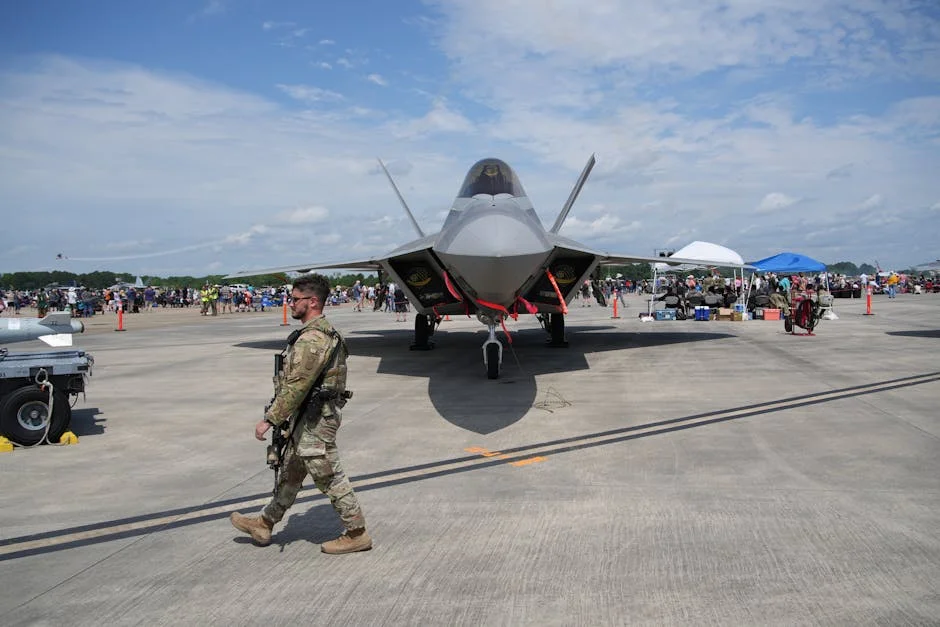
The United States has reportedly struck over 11,000 targets in Iran, marking a significant escalation in the ongoing geopolitical tensions between the two nations. The strikes, which began earlier this week, have raised concerns across the Middle East and beyond, with regional analysts warning of potential spillover effects on global stability. The move comes amid heightened diplomatic friction and a series of military actions that have sent shockwaves through international markets and security networks.
US Military Actions in Iran: A Regional Flashpoint
The US military's operation against Iranian targets has been described as one of the largest and most intense in recent history. According to reports, the strikes targeted a range of military facilities, including air defense systems, missile sites, and command centers. The US has not officially confirmed the scale of the attacks, but multiple independent sources and intelligence agencies have corroborated the figures. The operation, which began on Monday, has been attributed to a combination of strategic deterrence and retaliation for alleged Iranian-backed attacks on US interests in the region.
The scale of the strikes has drawn sharp criticism from Iran, which has accused the US of waging a "war of aggression." Iranian officials have vowed to respond in kind, warning that any further escalation could lead to a full-scale conflict. The situation has also raised concerns among regional allies, with Gulf Cooperation Council (GCC) members urging caution and calling for de-escalation efforts. The potential for regional instability has intensified fears of a broader conflict that could disrupt global energy markets and affect international trade routes.
Impact on Africa: Security and Economic Concerns
While the immediate focus of the US-Iran conflict is on the Middle East, the ripple effects are already being felt across Africa. The continent, which has long been a strategic and economic partner to both the US and Iran, is now facing heightened security and economic uncertainties. For countries like Nigeria, which rely heavily on oil imports and regional stability, the potential for a wider conflict poses a direct threat to their energy security and economic growth.
Analysts suggest that the conflict could have a knock-on effect on global oil prices, which could, in turn, impact African economies that depend on oil imports. Nigeria, in particular, has been vocal about its concerns, with officials warning that any disruption in global oil supply could worsen the country's already fragile economic situation. The Nigerian government has called for calm and urged all parties to pursue diplomatic solutions to avoid further destabilization.
Regional Security and African Diplomacy
The situation has also prompted renewed calls for African unity and proactive diplomacy in managing external conflicts that could have regional implications. The African Union (AU) has expressed concern over the escalating tensions and has urged both the US and Iran to de-escalate their rhetoric. AU officials have emphasized the importance of maintaining regional stability, noting that Africa cannot afford to be caught in the crossfire of global power struggles.
Regional security organizations, such as the African Union's Peace and Security Council, are monitoring the situation closely. They are considering possible measures to ensure that African nations are not drawn into the conflict. The AU has also called for increased dialogue between the US and Iran, highlighting the need for a peaceful resolution to the crisis. For African leaders, the situation underscores the importance of maintaining a balanced foreign policy that prioritizes the continent's interests.
What to Watch Next: Global and Regional Implications
As the situation continues to evolve, the international community is closely watching for signs of further escalation or diplomatic breakthroughs. The US and Iran have both issued statements, though their positions remain at odds. The next few days will be critical in determining whether the conflict remains contained or spirals into a broader regional war.
Africa’s role in this unfolding crisis remains uncertain. While the continent is not directly involved, the potential for economic disruption, security threats, and political instability makes it a key player in the broader narrative. African leaders and institutions will need to remain vigilant and proactive in advocating for peace and stability in the region. The coming weeks will test the resilience of African diplomacy and its ability to navigate complex global conflicts without compromising its development goals.