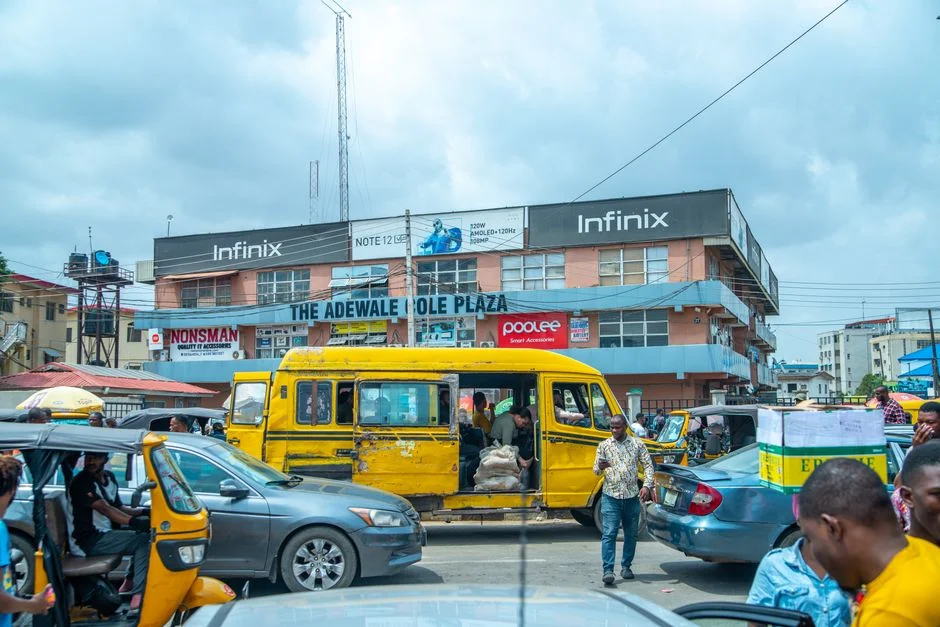
Nigeria's Fuel Association has urged citizens to avoid panic buying of petrol and diesel as concerns over fuel supply shortages resurface. The statement came amid reports of fuel rationing in several states, with some filling stations running low on stock. The association emphasized that the situation is temporary and called on consumers to remain calm, stressing that there is no need for hoarding or over-purchasing.
The warning comes at a critical time for Nigeria, where fuel supply disruptions have long been a challenge. The country relies heavily on imported fuel, and fluctuations in global oil prices, coupled with local distribution inefficiencies, have often led to shortages. This has a direct impact on transportation, commerce, and daily life, undermining economic growth and development.
Supply Chain Challenges and Infrastructure Gaps

Analysts say the recent fuel shortages highlight deep-rooted issues in Nigeria's energy infrastructure. The nation's refining capacity is outdated, and the majority of fuel is imported through a complex and often unreliable supply chain. This has left the country vulnerable to global market volatility and local logistical bottlenecks.
“The fuel crisis is not just about the price or availability, but about the system that supports it,” said Dr. Chidi Okoro, an energy economist. “Without investment in refining and distribution, Nigeria will continue to face these challenges.”
Impact on Economic Development
The fuel crisis has a ripple effect on Nigeria's economy. Transportation costs rise, inflation increases, and businesses face higher operational expenses. This directly affects the country's ability to meet its development goals, including poverty reduction, job creation, and industrial growth.
For African development, the situation underscores the need for regional energy integration and investment in sustainable energy solutions. Countries across the continent are increasingly looking to diversify their energy sources and improve infrastructure to ensure stability and resilience.
Government and Industry Response
The Nigerian government has been under pressure to address the fuel crisis, with calls for improved refinery operations and better coordination between the public and private sectors. The Fuel Association has also urged the government to take swift action to resolve the supply chain issues and ensure a steady flow of fuel to the market.
“We are working with the government to identify the root causes and implement long-term solutions,” said a spokesperson for the association. “In the short term, we ask citizens to remain calm and avoid panic buying, which only worsens the situation.”
Looking Ahead: Opportunities for Reform
The current fuel crisis presents an opportunity for Nigeria to re-evaluate its energy strategy. With the African Development Bank and other international partners pushing for greater investment in energy infrastructure, the time is ripe for reforms that can ensure reliable fuel supply and support economic development.
For African development, the lessons from Nigeria's fuel challenges are clear. Countries must invest in resilient energy systems, promote regional cooperation, and explore alternative energy sources to reduce dependency on volatile global markets. The path to sustainable growth requires a coordinated effort across the continent.
See Also
- Abreu Freire Reveals New Insights on Jesus Christ Amid Theological Debate
- Bad Weather Threatens Joburg Open: Can Patrick Reed Save the Tournament?
What is the latest news about nigerias fuel association warns against panic buying amid supply concerns?
Why does this matter for economy-business?
What are the key facts about nigerias fuel association warns against panic buying amid supply concerns?