Portugal's National Gas Network (REN) has confirmed that its infrastructure is equipped to withstand potential attacks, including recent tensions involving Iran. This statement comes amid rising concerns over global energy security and its implications for countries reliant on imports.

Portugal's Energy Security Under Scrutiny

The assurance from REN follows a series of geopolitical events that have raised alarms about energy supply stability in Europe. With Portugal being a significant player in the European gas market, understanding its preparedness against disruptions is crucial. Given its strategic location, Portugal serves as a vital conduit for energy imports and exports across the continent.

REN Ensures Portugal's Gas System Can Handle Attacks — Why It Matters for Africa — Economy Business
Economy & Business · REN Ensures Portugal's Gas System Can Handle Attacks — Why It Matters for Africa

How Portugal's Updates Affect African Nations

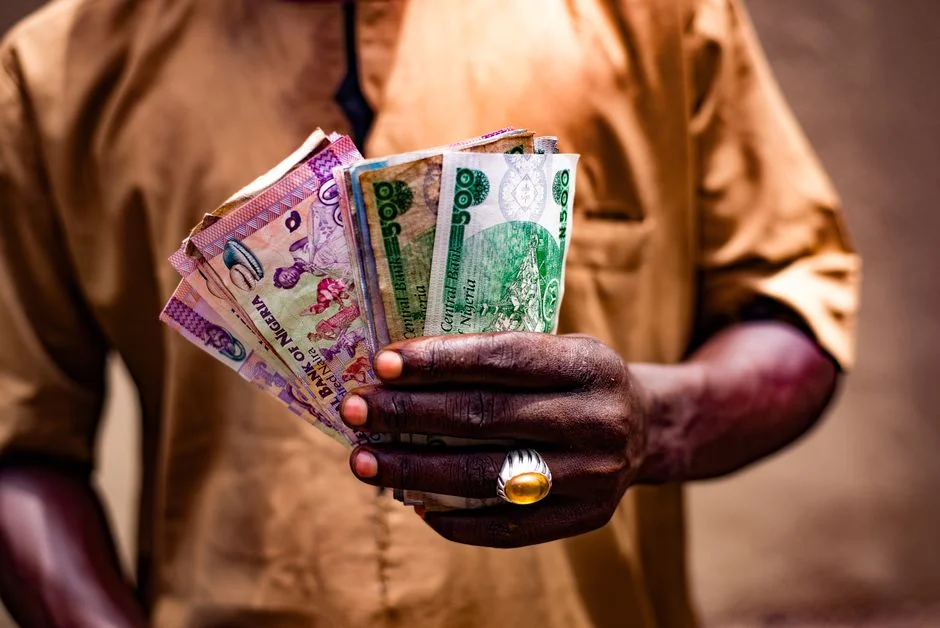
This development is particularly significant for African nations that depend on stable energy supplies for growth and development. As countries like Nigeria strive to enhance their energy infrastructure and governance, insights from Portugal's response to potential threats could inform their own strategies. For instance, Nigeria's ongoing challenges with gas infrastructure and energy supply could benefit from the resilience strategies adopted by Portugal.

The Broader Implications for African Development Goals

In light of the United Nations' Sustainable Development Goals (SDGs), energy security is pivotal for fostering economic growth and improving health and education standards across Africa. By ensuring a stable energy supply, countries can enhance their developmental outcomes, particularly in sectors crucial for human capital development. The connection between Portugal's assurances and African goals underscores the importance of international cooperation in tackling continental challenges.

Future Considerations for Nigeria and Africa

As global energy dynamics evolve, African countries must remain vigilant and proactive in enhancing their infrastructure. Monitoring developments like Portugal's gas resilience can provide valuable lessons in governance and crisis management. Stakeholders in Nigeria, for example, should focus on leveraging partnerships and technology to bolster their energy sectors.

Conclusion: Lessons from Portugal's Energy Strategy

REN's confidence in Portugal's gas system not only highlights the country's commitment to energy security but also serves as a beacon for African nations facing similar challenges. By drawing on these insights, African countries can better navigate their energy landscapes, ultimately aligning with broader development goals.

See Also

Editorial Opinion

The connection between Portugal's assurances and African goals underscores the importance of international cooperation in tackling continental challenges.Future Considerations for Nigeria and AfricaAs global energy dynamics evolve, African countries must remain vigilant and proactive in enhancing their infrastructure. Stakeholders in Nigeria, for example, should focus on leveraging partnerships and technology to bolster their energy sectors.Conclusion: Lessons from Portugal's Energy StrategyREN's confidence in Portugal's gas system not only highlights the country's commitment to energy security but also serves as a beacon for African nations facing similar challenges.

— panapress.org Editorial Team
Poll
Will this news affect your daily life?
Yes70%
No30%
207 votes
Kwame Asante
Author
Kwame Asante is a business and economics journalist with over a decade of experience covering African markets, trade policy, and financial systems. Based in Accra, he has reported from Lagos, Nairobi, and Johannesburg on topics ranging from continental trade agreements to startup ecosystems reshaping sub-Saharan Africa.

His work focuses on the intersection of policy and commerce — how regulatory decisions, currency movements, and infrastructure investment shape everyday life across the continent. Kwame holds a degree in economics from the University of Ghana and has contributed to several pan-African business publications.