Lead paragraph: Since gaining independence in 2011, South Sudan has faced ongoing turmoil, including a civil war that erupted in 2013. The country continues to grapple with complex challenges that threaten its development and stability.
Context and Background
South Sudan, the youngest nation in the world, emerged from decades of civil war with Sudan. Despite its rich natural resources, including oil, the nation has struggled to establish a stable government, maintain peace, and ensure the welfare of its citizens. The conflict has led to widespread displacement, economic decline, and a humanitarian crisis that affects millions.
Key Developments
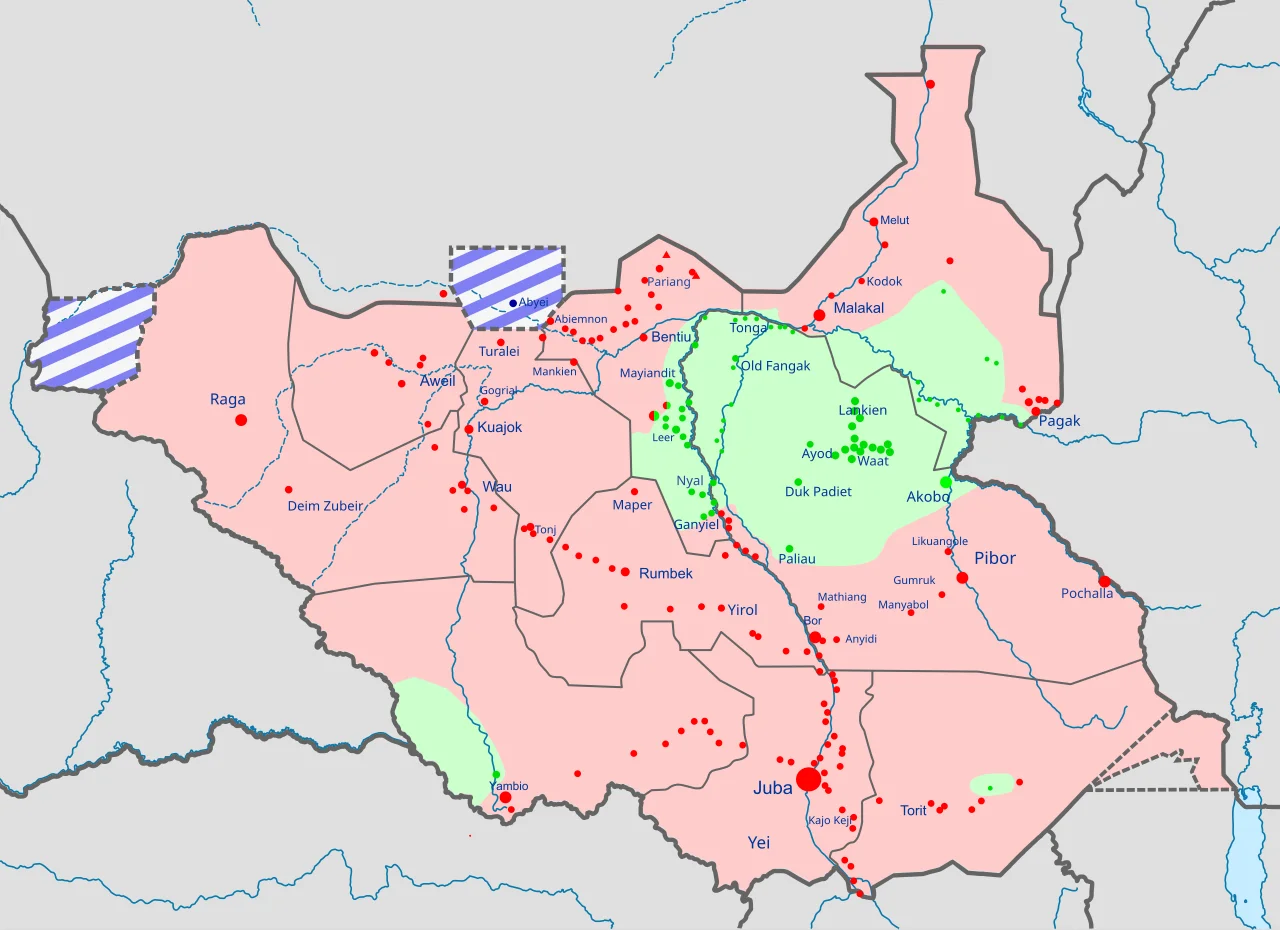
Recent reports indicate heightened tensions in South Sudan, with sporadic violence and a slow peace process. Although a peace agreement was signed in 2018, implementation has been inconsistent, resulting in continued clashes between rival factions.
Details and Evidence
According to the United Nations, over 7 million people in South Sudan are in need of humanitarian assistance, with food insecurity and malnutrition rates reaching alarming levels. The economy has contracted significantly, with inflation soaring and the South Sudanese pound losing value against major currencies. Additionally, the health sector remains fragile, hampered by inadequate infrastructure and a lack of resources.
Analysis: African development and pan-African perspective
From an African development perspective, the crisis in South Sudan underscores the urgent need for robust governance structures and conflict resolution mechanisms. The situation presents a stark reminder of the challenges many African nations face, including governance issues that hinder development efforts. For Nigeria and other countries, the South Sudan crisis serves as a case study for understanding the importance of regional cooperation and the need for collective action to address shared challenges.
Impact and Implications
The ongoing crisis has significant implications for the stability of the East African region. Neighbouring countries are affected by the influx of refugees and the spillover of violence. Moreover, the economic challenges in South Sudan limit trade opportunities and hinder regional economic integration, which is crucial for broader continental development goals.
Outlook
Looking ahead, experts suggest that the international community must intensify diplomatic efforts to support peacebuilding initiatives in South Sudan. The focus should be on fostering inclusive governance and addressing the root causes of the conflict. For readers, monitoring the progress of the peace process and the humanitarian situation will be essential, as developments in South Sudan can have far-reaching implications for the African continent as a whole.