A recent ruling by a UK judge has halted the planned deportation of the Chagos Islanders, a group forcibly removed from their homeland in the 1960s and 1970s. The decision comes at a time when discussions around human rights and sovereignty in Africa are gaining momentum, highlighting the ongoing struggle for justice among displaced communities.
Context and Background
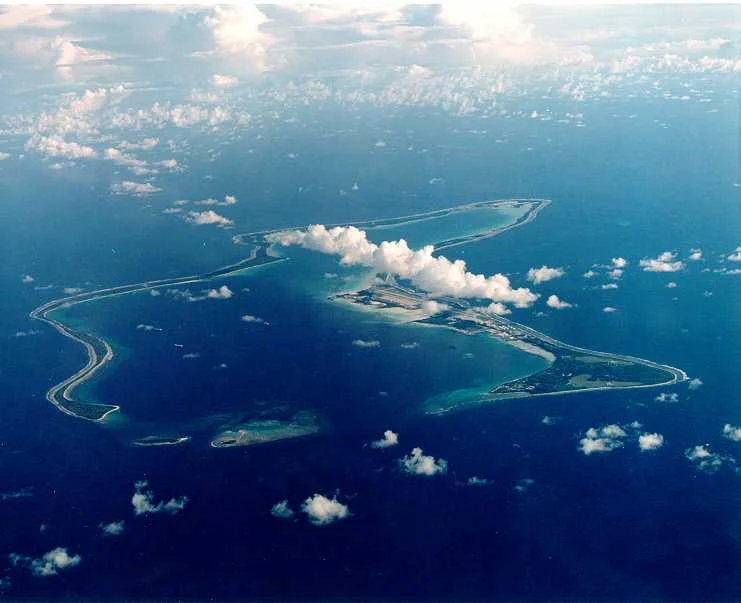
The Chagos Archipelago, located in the Indian Ocean, was home to the Chagos Islanders until their forced removal by the British government to make way for a military base. The plight of these islanders is emblematic of wider issues of colonial legacies and displacement that continue to affect many communities in Africa. The recent ruling is seen as a pivotal moment in the long-standing battle for the right of return and compensation for the Chagos Islanders, which has implications not just for them, but for other communities facing similar challenges across the continent.
Key Developments
The UK High Court's ruling against the deportation of the Chagos Islanders has reignited discussions about the rights of indigenous populations and the responsibilities of colonial powers. This judgement follows decades of legal battles and advocacy by the Chagos Refugees Group, who have consistently sought recognition and redress for their suffering.
Details and Evidence
In its judgement, the court cited the lack of sufficient evidence to justify the deportation, alongside the humanitarian concerns that have arisen from the ongoing displacement of the Chagos Islanders. This ruling is supported by various human rights organisations, which argue that the Chagos Islanders, often referred to as the "Chagossians," deserve to return to their homeland and receive reparations for the injustices they have faced.
Analysis: African development and pan-African perspective
This ruling resonates deeply within the framework of African development goals, particularly those focused on human rights and social justice. The African Union's Agenda 2063 emphasises the importance of silencing the guns and ensuring the rights of all Africans, including those displaced by historical injustices. The situation of the Chagos Islanders is a stark reminder of the challenges faced by similar communities across Africa, where issues of governance, land rights, and social equity remain pressing. Understanding the plight of the Chagos Islanders can help inform broader discussions on displacement and human rights within the African context, particularly for nations like Nigeria, where land disputes and population dislocation also pose significant challenges.
Impact and Implications
The blocked deportation has far-reaching implications for both the Chagos Islanders and the broader African community. It serves as a hopeful precedent, suggesting that the courts may increasingly uphold the rights of historically marginalized populations. Additionally, this development may encourage other displaced communities to advocate for their rights and seek justice, potentially leading to a new wave of activism across the continent.
Outlook
Looking ahead, the ruling is likely to foster increased international attention on the plight of the Chagos Islanders and similar communities. Experts suggest that this case could prompt further legal challenges against colonial legacies and push for reparative justice in various forms. As discussions around deportation and displacement continue, stakeholders in Africa should closely monitor these developments, as they could set important precedents for governance and human rights across the continent. Readers should be aware of ongoing advocacy efforts and the potential for broader implications on African development goals.