As Sudan continues to be engulfed in civil war, the involvement of Ethiopia and the United Arab Emirates (UAE) is drawing international scrutiny. This conflict, which erupted in April 2023, has escalated into a humanitarian crisis that threatens regional stability and development.
Context and Background
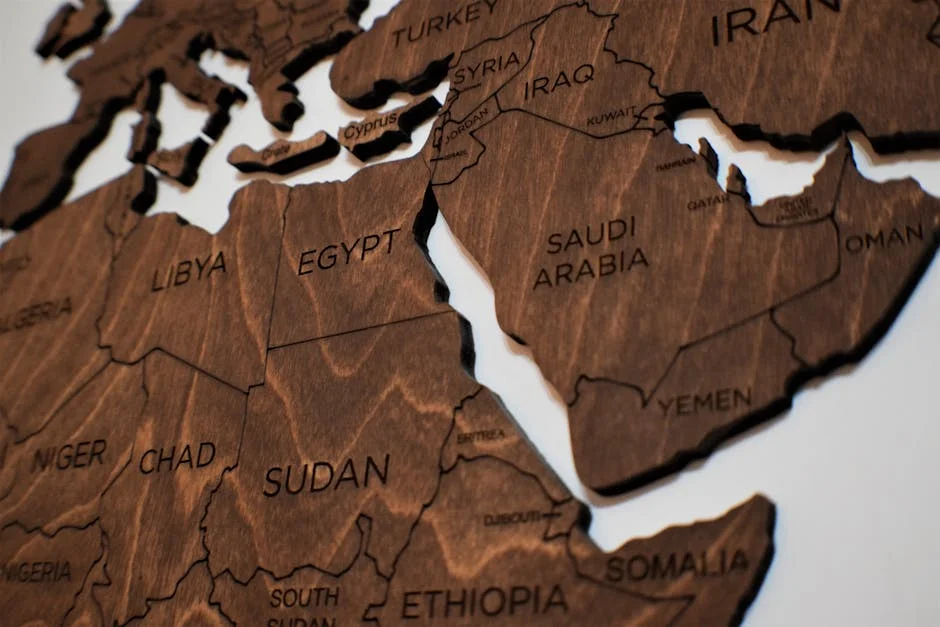
Since its independence in 1956, Sudan has faced various internal conflicts, with the current civil war primarily a power struggle between the Sudanese Armed Forces (SAF) and the Rapid Support Forces (RSF). This conflict has led to widespread violence, displacing millions and decimating infrastructure. The role of Ethiopia and the UAE has been pivotal, as Ethiopia shares a border with Sudan and has historically been involved in mediating regional disputes. The UAE, on the other hand, has economic interests in Sudan and has provided military support, complicating the situation further.
Key Developments
Recent reports highlight Ethiopia's efforts to mediate in the conflict while simultaneously grappling with its own internal challenges, including ethnic tensions and the ongoing Tigray conflict. The UAE’s involvement includes financial support and military assistance to factions within Sudan, raising questions about its motivations and the broader implications for African unity and development.
Details and Evidence
According to Reuters news today, Ethiopia has been attempting to broker peace talks among the warring parties, despite its own political instability. Meanwhile, the UAE has been accused of exacerbating tensions by backing specific groups that align with its strategic interests. Statistics indicate that the civil war has resulted in over 5 million people displaced and more than 20 million in urgent need of humanitarian assistance, underscoring the dire situation.
Analysis: African development and pan-African perspective
The situation in Sudan exemplifies the broader continental challenges Africa faces, including governance failures, infrastructure deficits, and the urgent need for health and educational improvements. The civil war not only disrupts Sudan’s development but has spillover effects on its neighbours, including Ethiopia, which is struggling with its own issues. Ethiopia’s involvement could be viewed as an opportunity for regional leadership, yet it also highlights the precarious balance of power in East Africa.
Impact and Implications
The implications of this conflict are profound. With Ethiopia and the UAE playing significant roles, the prospects for peace are uncertain, and the humanitarian crisis may deepen. Countries like Nigeria, which is closely monitoring the situation, could face indirect consequences due to regional instability and economic impacts. The ongoing conflict challenges the African Union's capacity to mediate effectively, raising questions about governance and leadership on the continent.
Outlook
As the situation evolves, experts suggest that the international community must engage more assertively to facilitate dialogue between the conflicting parties. Analysts recommend observing Ethiopia’s initiatives as they may either pave the way for a resolution or exacerbate tensions further. The upcoming months will be critical, and readers should watch for any developments in peace negotiations, humanitarian efforts, and regional responses to the crisis.