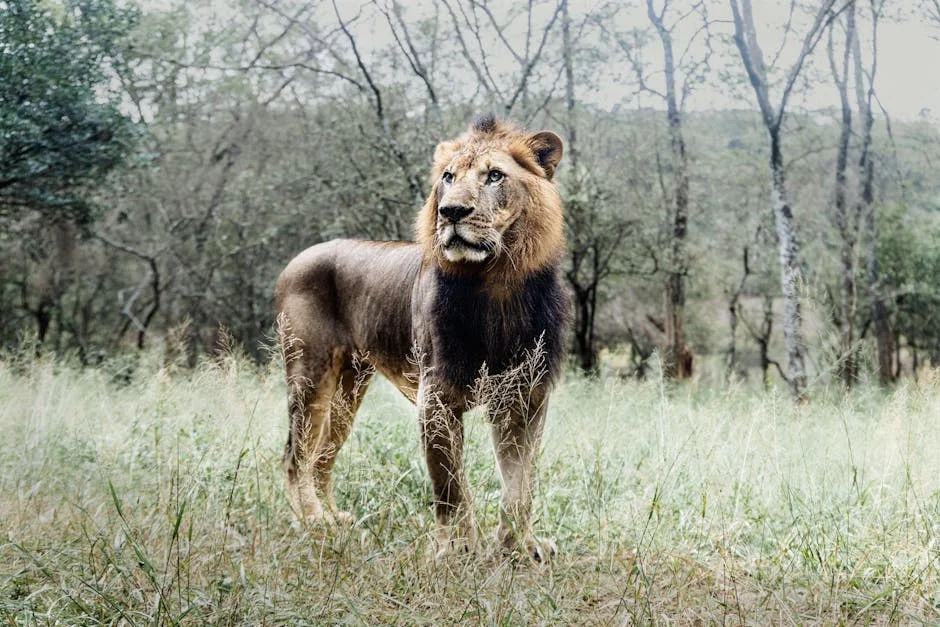
Lead paragraph: In 2015, the world was stunned by the killing of Cecil, a beloved lion in Zimbabwe, by an American dentist. This incident not only sparked global outrage but also highlighted the complex interplay between wildlife conservation, local economies, and African development.
Context and Background
Zimbabwe, a country rich in biodiversity, has long been at the centre of wildlife conservation debates. The death of Cecil, a famed fixture in Hwange National Park, drew attention to the challenges faced by African nations in balancing conservation efforts with economic growth. As poaching and illegal hunting threaten wildlife populations, the incident provided a stark reminder of the urgent need to address these issues in the context of broader development goals.
Key Developments
Following Cecil's death, there was an international outcry that prompted discussions around hunting regulations and wildlife protection. This resulted in increased scrutiny of trophy hunting practices, which some argue contribute to conservation funding, while others believe they undermine conservation efforts. In the aftermath, Zimbabwe's government initiated reforms aimed at improving wildlife management and enhancing tourism, which is vital for the nation’s economy.
Details and Evidence
According to the World Wildlife Fund, the population of lions in Africa has declined by nearly 43% over the past two decades. In Zimbabwe, the lion population is critically low, with estimates suggesting fewer than 1,500 individuals remain. The economic implications are profound, as wildlife tourism accounts for a significant portion of Zimbabwe's GDP. The controversy surrounding Cecil's killing has since influenced policy reform and wildlife protection laws, although challenges remain.
Analysis: African development and pan-African perspective
The outrage surrounding Cecil serves as a microcosm of the broader challenges Africa faces in development. It highlights the tension between economic growth and conservation. As African nations strive to meet development goals, they must navigate the complexities of sustainable practices. This includes embracing technology for wildlife monitoring, improving governance to tackle corruption in wildlife management, and enhancing education to foster awareness about conservation among communities. Zimbabwe's development strategy must incorporate these aspects to ensure that both wildlife and local livelihoods are protected.
Impact and Implications
The global response to Cecil's killing has led to increased awareness about wildlife conservation across the continent. Countries are now under pressure to implement more stringent wildlife protection laws. Local communities, meanwhile, face the brunt of the economic consequences, as hunting and poaching often blur the lines of survival and conservation. The need for alternative livelihoods and sustainable practices has become even more pressing, urging stakeholders to rethink how they engage with wildlife and the environment.
Outlook
In the coming years, experts emphasize the importance of international cooperation in wildlife conservation efforts. The conversation surrounding Cecil has opened doors for new partnerships between African nations and global conservation organisations. As Zimbabwe looks towards technological advancements for monitoring wildlife and enhancing its tourism sector, it is essential for policymakers to ensure that local communities benefit from these initiatives. Observers should watch for developments in policy reforms and community engagement strategies aimed at fostering sustainable development in the aftermath of this incident.