Lead paragraph: Gambians are grappling with conflicting emotions following a recent ban on female genital mutilation (FGM), a practice deeply rooted in cultural traditions. The ban, while aimed at safeguarding women's health and rights, has ignited a debate over cultural identity and community values.
Context and Background
Female genital mutilation is a practice that has persisted in various forms across Africa for centuries. It is often justified on cultural and religious grounds, making it a sensitive subject within many communities. In Gambia, efforts to eradicate FGM have intensified over the years, reflecting a broader movement across the continent to align with international human rights standards. The Gambia's recent legislative actions are part of a wider commitment to achieving the Sustainable Development Goals (SDGs), particularly those related to gender equality and health.
Key Developments
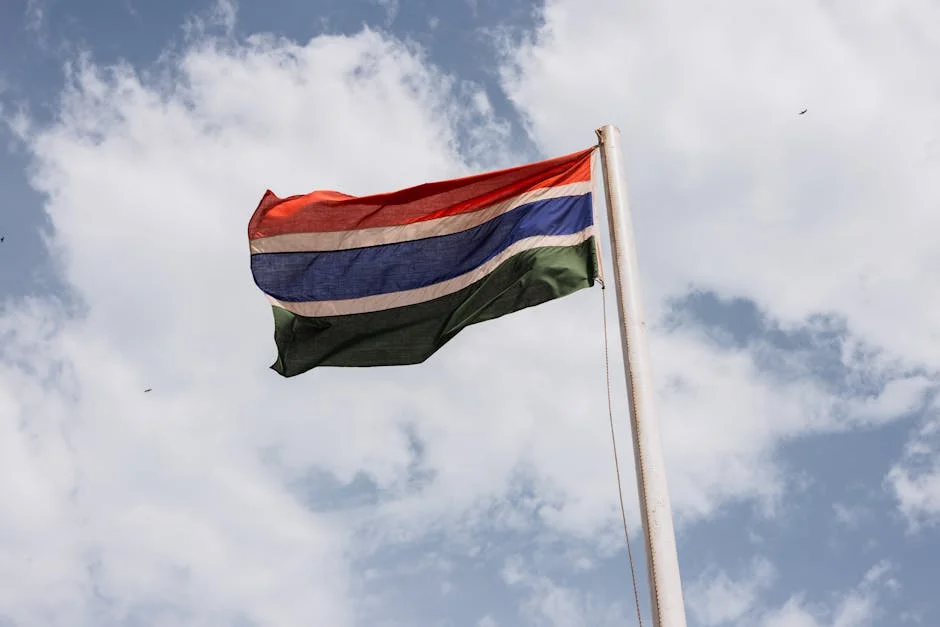
The Gambia's government has enacted a ban on FGM, which is being met with a mixture of support and resistance from different segments of the population. Advocates argue that the ban is a crucial step toward protecting women and girls from the health risks associated with the procedure, which include complications during childbirth and psychological trauma. Conversely, some community leaders express concern that the ban undermines their cultural practices and traditions.
Details and Evidence
According to local health statistics, over 75% of Gambian women have undergone FGM, which has been linked to various health complications. The World Health Organization has documented that FGM can lead to severe physical and emotional consequences, and advocates for its abolition highlight the need for education and alternative cultural practices. The Gambian government has pledged to invest in public health campaigns to educate communities about the dangers of FGM, while also promising to respect cultural values and traditions.
Analysis: African development and pan-African perspective
The implications of the FGM ban in Gambia extend beyond its borders, affecting regional dynamics and the discourse surrounding women's rights across Africa. As Gambians navigate the tension between traditional practices and modern health standards, the situation raises important questions about governance, cultural identity, and the role of civil society in shaping public health policies. This case exemplifies the continent's struggle to balance development goals with cultural preservation, a challenge that resonates throughout Africa, including in Nigeria where similar debates are occurring. Understanding why Gambians matters in this context is crucial for stakeholders aiming to foster sustainable development across the region.
Impact and Implications
The mixed responses to the FGM ban reflect a broader societal challenge in Gambia and similar African contexts: how to enact meaningful change without alienating communities or disregarding their cultural heritage. The consequences of this ban could lead to increased awareness and education on women's health issues, potentially fostering a more supportive environment for women's rights. However, backlash from traditionalists could hinder progress and create divisions within communities. It is also likely to influence other African nations grappling with similar issues, illustrating the delicate balance between development and tradition.
Outlook
As Gambia moves forward with the implementation of the FGM ban, experts suggest that sustained dialogue between government, healthcare providers, and community leaders will be essential. Analysts predict that the success of this initiative will depend on the ability to engage communities in discussions that respect their cultural identities while promoting health and wellbeing. Observers should watch for continued advocacy efforts, potential pushback from traditionalists, and the impact of this ban on regional conversations about women's rights and health. The outcome in Gambia could serve as a model for other African nations, shaping the future of gender equality and public health across the continent.