On Thursday, a Moroccan court sentenced 19 soccer fans to prison for their involvement in violent chaos that erupted during the Africa Cup of Nations (AFCON) final. The incident occurred in Morocco, where the final match was held, drawing attention to issues of governance and public safety in the nation and across the continent.
Context and Background
The AFCON, Africa's premier football tournament, routinely brings together nations and fans, showcasing not only sporting talent but also the cultural vibrancy of the continent. However, the spectacle can quickly turn sour, as witnessed in the recent final where violent outbursts marred the event. This chaos raises significant questions about crowd control, safety measures, and the broader implications for governance in event management across Africa.
Key Developments
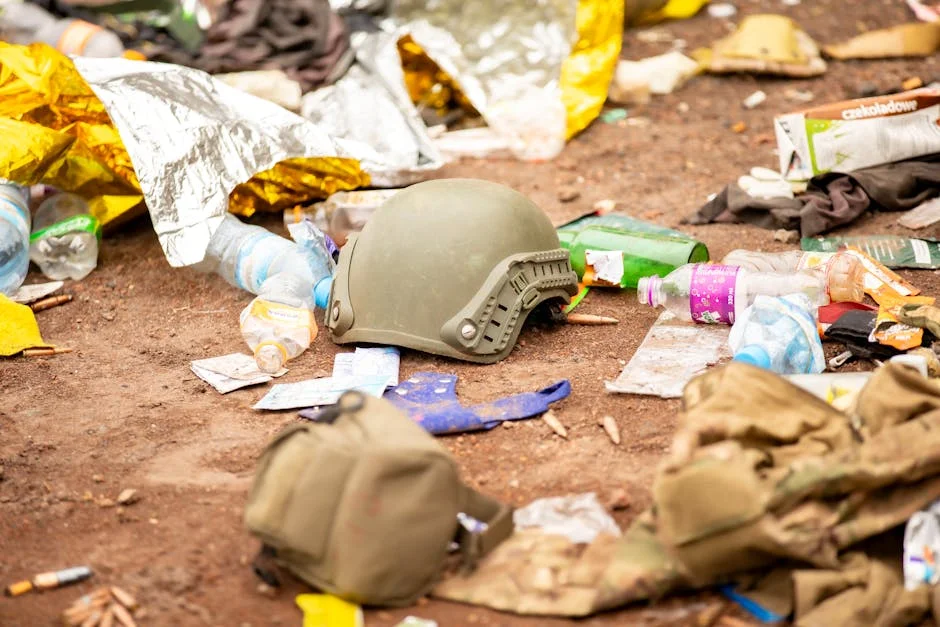
The chaos during the AFCON final led to injuries and property damage, prompting swift action from Moroccan authorities. Following the incident, the 19 fans were arrested and subsequently sentenced for their actions, highlighting the need for stricter regulations and effective governance in managing large public gatherings. This episode underscores a critical intersection between sports, public safety, and governmental responsibility.
Details and Evidence
Reports indicate that the violence involved clashes between rival fans, which were exacerbated by inadequate security measures. The Moroccan authorities have since announced a review of their event management strategies, aiming to prevent future incidents. This reaction reflects a growing awareness of the need for improved infrastructure around public events, a common challenge many African nations face.
Analysis: African development and pan-African perspective
From an en-NG perspective, the events in Morocco serve as a stark reminder of the challenges facing African nations in achieving development goals, particularly in areas of governance and public safety. As countries in Africa strive for economic growth and improved infrastructure, incidents like these highlight the necessity for comprehensive policies that not only address sporting events but also broader societal stability. Effective governance is crucial for fostering an environment where development can thrive.
Impact and Implications
The direct consequences of this incident extend beyond Morocco, affecting the wider narrative of African governance. Nations may face increased scrutiny regarding their ability to manage large public gatherings safely, which can impact tourism and international perceptions. Additionally, the focus on soccer as a unifying force in Africa is at risk if such incidents continue, potentially leading to decreased investment in sports and related infrastructure.
Outlook
Looking ahead, experts suggest that African nations must prioritise the integration of robust safety measures and governance practices in public event management. As discussions surrounding these developments unfold, observers should watch for Morocco's forthcoming policies aimed at improving event safety, as well as how this may influence other nations across the continent. The situation serves as a pivotal learning opportunity for nations like Nigeria, which may look to Morocco's response as a model for addressing similar challenges in their own contexts.