Amidst ongoing societal debates, Gambians are grappling with the implications of a ban on female genital mutilation (FGM). This ban, enacted to protect women's health and rights, has stirred deep emotions, with many sharing personal stories of loss and cultural identity.
Context and Background
Female genital mutilation (FGM) remains a contentious issue in many African nations, including The Gambia, where it has been practised for generations. The recent legislation aimed at eradicating this harmful tradition aligns with the African Union's Agenda 2063, which advocates for the promotion of women's rights and gender equality. Despite the ban's intentions, it has highlighted the complexities faced by Gambians in reconciling cultural practices with health and human rights. The Gambia's commitment to the African development goals, particularly in health and education, is now under scrutiny as citizens navigate this sensitive shift.
Key Developments
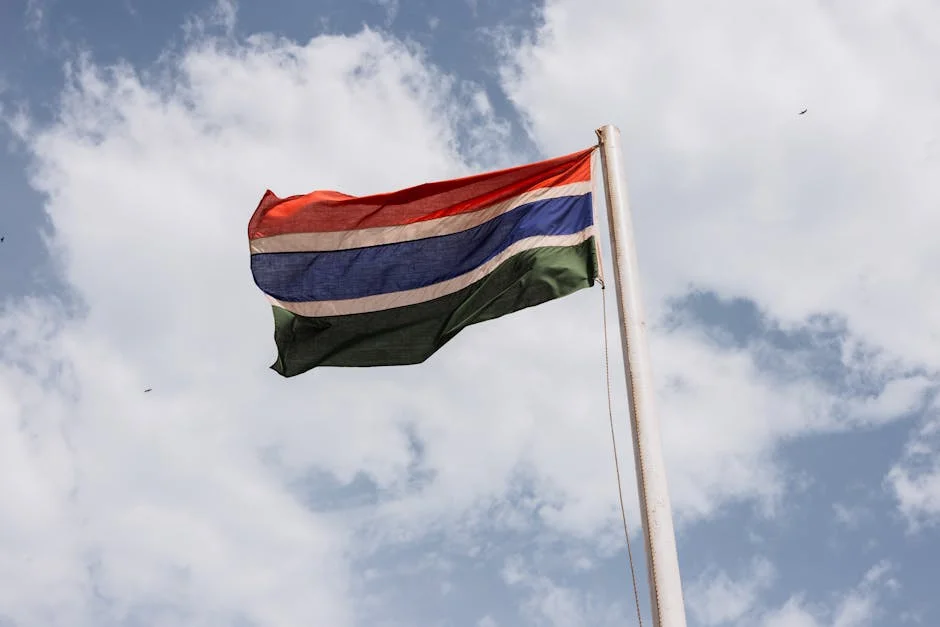
Following the legal ban on FGM in The Gambia, public reactions have varied dramatically. While many support the ban as a necessary step towards safeguarding women's health, others view it as an infringement on cultural practices, leading to a feeling of loss among some communities. The emotional narratives shared by Gambians reflect the deep-rooted connections between tradition and identity, raising questions about the path forward.
Details and Evidence
According to recent surveys, approximately 75% of Gambians support the ban on FGM, yet testimonies reveal that many still carry the scars of this practice—both physically and emotionally. Data from the World Health Organization indicate that FGM contributes to significant health risks, including complications during childbirth and psychological trauma. The Gambian government, while pushing forward with the ban, is also tasked with educating the populace about the dangers associated with FGM, integrating health education into school curricula, and addressing cultural sensitivities.
Analysis: African development and pan-African perspective
From an en-NG perspective, the public discourse surrounding the FGM ban in The Gambia signifies a broader continental challenge that resonates with the African development goals. The push for gender equality, health, and education is critical for sustainable development across the continent. As Gambians share their experiences, it highlights the intersection of cultural practices and modern health standards—an issue that mirrors challenges faced in Nigeria and other nations. The dialogue initiated by this ban may serve as a catalyst for similar discussions in Nigeria, where traditional practices often conflict with contemporary health initiatives.
Impact and Implications
The implications of the FGM ban extend beyond The Gambia, influencing neighbouring nations like Nigeria through increased awareness and advocacy for women's rights. The response from Gambians could inspire similar movements, encouraging a pan-African approach to tackling harmful cultural practices. As women become more empowered and educated about their rights and health, their influence on economic growth and governance cannot be understated. This shift may pave the way for broader societal changes that align with the African Union's vision for a prosperous and peaceful continent.
Outlook
Looking ahead, experts indicate that the successful implementation of the FGM ban will require sustained efforts in public education and community engagement. Analysts suggest that Gambians’ experiences could inform policy-making in Nigeria and other African nations facing similar dilemmas. Observers should watch for grassroots movements advocating for women's health and rights, as these could lead to significant changes in societal norms and improve governance structures. The journey towards a more equitable society continues, with the potential for Gambians to impact not just their nation but the entire region.