In a recent commentary, Kenneth Roth highlighted the precarious state of international humanitarian law amidst ongoing conflicts in regions such as Sudan, Gaza, and Ukraine. Roth, a well-respected voice on human rights, argues that while the law is under threat, its foundational principles remain vital for global governance.
Context and Background
International humanitarian law (IHL) has evolved over decades to protect those affected by armed conflict. It provides a framework for the conduct of war, safeguarding civilians and ensuring humane treatment for combatants. However, the increasing disregard for these laws in various conflicts has raised alarm about their future. Roth's observations come at a time when Africa grapples with its own complex challenges, including governance issues, economic instability, and health crises, all exacerbated by conflicts that test the limits of international law.
Key Developments
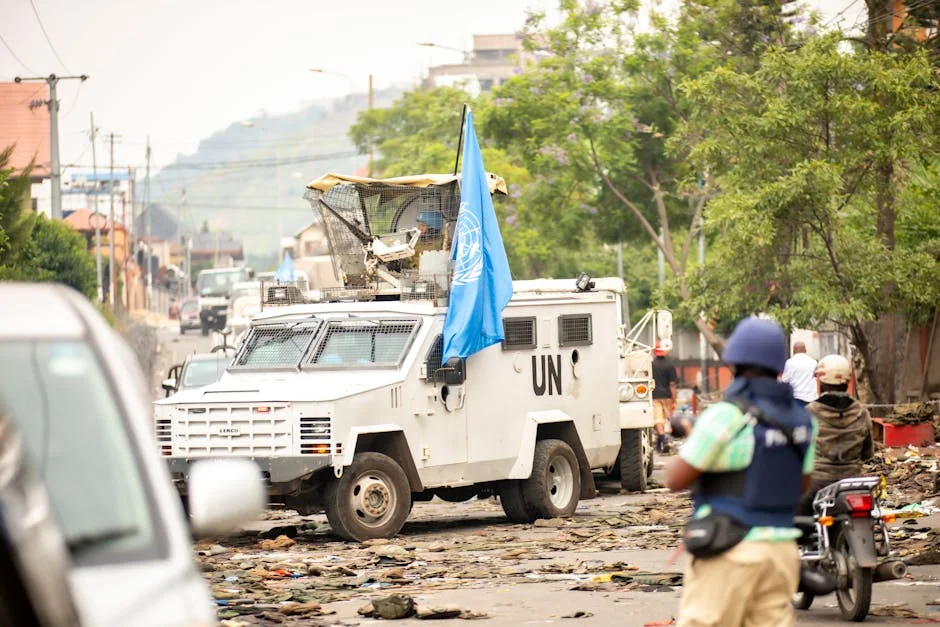
Roth's commentary underscores the dangers facing IHL, particularly as conflicts in Sudan and Gaza illustrate blatant violations of established norms. His focus on these areas draws attention to the broader implications for international politics, including the need for renewed commitment to humanitarian principles by all nations. In the context of Africa, where numerous conflicts continue to destabilise regions, Roth's insights provoke crucial discussions on the importance of adherence to humanitarian law.
Details and Evidence
According to reports from the United Nations, violence in Sudan has resulted in thousands of civilian casualties, drawing condemnation from human rights organisations. In Gaza, the conflict has led to significant loss of life and infrastructure devastation, raising concerns about human rights violations. Similarly, the ongoing war in Ukraine has prompted discussions about the effectiveness of international law in an era of political complexity. Roth's examination of these conflicts highlights the urgent need for accountability and adherence to IHL, which remains central to addressing humanitarian crises.
Analysis: African development and pan-African perspective
From an en-NG perspective, Roth's focus on IHL resonates deeply with the continent's development goals. The African Union (AU) has long sought to promote peace, security, and development across member states. A commitment to international humanitarian law aligns with these objectives, as it provides a framework for the protection of human rights, fostering stable governance, and ensuring the well-being of populations. The disregard for IHL not only undermines these goals but also poses significant challenges to sustainable development across the continent.
Impact and Implications
The implications of Roth's insights extend beyond legal frameworks; they touch on the very fabric of governance and human rights in Africa. If international law is perceived as ineffective, it risks emboldening violators and further destabilising regions already plagued by conflict. The impact is felt most acutely in nations like Nigeria, where governance struggles are compounded by insecurity and human rights abuses. Roth's analysis reminds us that a collective response to uphold IHL could enhance regional cooperation and foster a more secure environment conducive to economic growth and development.
Outlook
As discussions around international humanitarian law continue, experts suggest that the coming months will be crucial in assessing the international community's response to violations. Observers should monitor how African nations engage with these principles, particularly in the face of ongoing conflicts. Roth's perspectives serve as a call to action for both local leaders and the international community, emphasising the need for stronger enforcement mechanisms to protect the rights of all individuals, especially in conflict zones. The future of IHL hinges on the commitment of states to uphold these vital norms, which will ultimately influence the trajectory of peace and development across the African continent.