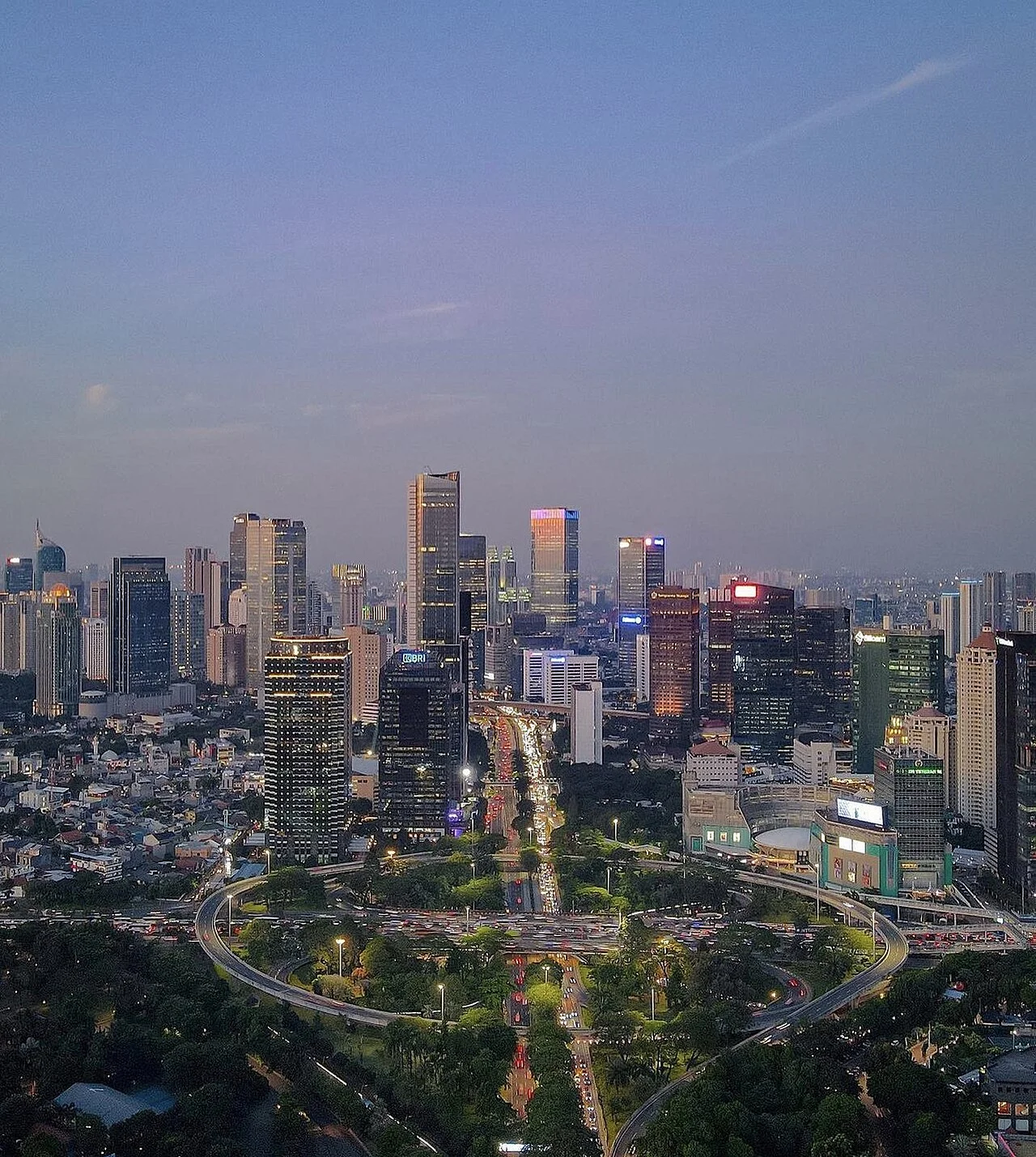
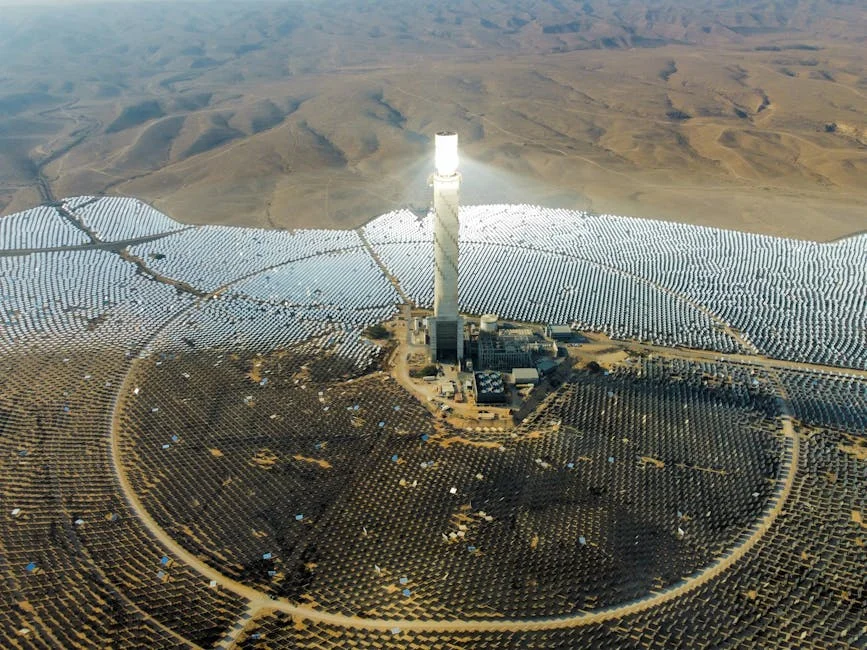
The Africa Business Convention 2026, held on 3 and 4 February at the Lagos Continental Hotel, brought together an unprecedented gathering of policymakers, business leaders, investors, innovators, and entrepreneurs to chart the continent's economic trajectory for the decade ahead. Discussions centred on six strategic pillars: agriculture and food security; banking, investment and capital; environmental, social and governance frameworks; fintech, innovation and technology; jobs, economy and trade; and power, infrastructure and energy. The event, now regarded as West Africa's most significant annual business forum, drew participants from over 40 countries and generated commitments across multiple sectors that analysts say could unlock billions in investment.
The economic backdrop for the convention was broadly optimistic. Africa's GDP growth is projected to reach 4.0 percent in 2026 and 4.1 percent in 2027, surpassing the 3.9 percent recorded in 2025. The continent is expected to be home to more high-growth economies — expanding by at least 6 percent — than any other region in the world in 2026, with several resource-rich nations projecting double-digit expansion. The United Nations Office of the Special Adviser on Africa highlighted that Africa's diversifying economic base, driven by services, fintech, and manufacturing, is reducing the continent's traditional dependence on commodity export cycles.
A recurring theme at the convention was the accelerated implementation of the African Continental Free Trade Area (AfCFTA), which participants described as the single most powerful tool available to African economies seeking to build resilience against declining exports to increasingly protectionist markets in North America and Europe. Nigeria and South Africa were identified as the fastest-growing markets for stablecoins and digital financial services, with speakers noting that intra-African digital payments have grown by 67 percent over the past two years. The 9th Africa Business Forum, convened on 16 February under UN Economic Commission for Africa auspices, reinforced these themes with a focus on blended finance mechanisms to support Africa's youth economy.

Despite the positive momentum, delegates were candid about the headwinds. High debt-servicing costs, limited fiscal space, persistent food inflation, and the uncertain global trade environment continue to weigh on prospects for inclusive and sustainable development. "Africa's potential is enormous, but unlocking it requires closing the infrastructure gap, deepening capital markets, and governing with transparency," said one senior economist addressing the convention's closing session. The consensus from Lagos was clear: Africa is not waiting for external partners to lead — it is building the architecture of its own economic future.