In a significant move for press freedom, the International Federation of Journalists (IFJ) has backed calls for African governments to take decisive steps towards enhancing media freedom. This call comes in response to increasing concerns about censorship and the stifling of independent journalism across the continent.
Context and Background
Media freedom is a cornerstone of democratic societies and is crucial for fostering transparency and accountability in governance. In many African countries, however, journalists face severe restrictions, making it challenging to report on vital issues such as corruption, human rights violations, and governance failures. The IFJ's backing aligns with broader African development goals that emphasise the importance of good governance, human rights, and the role of a vibrant civil society in driving development.
Key Developments
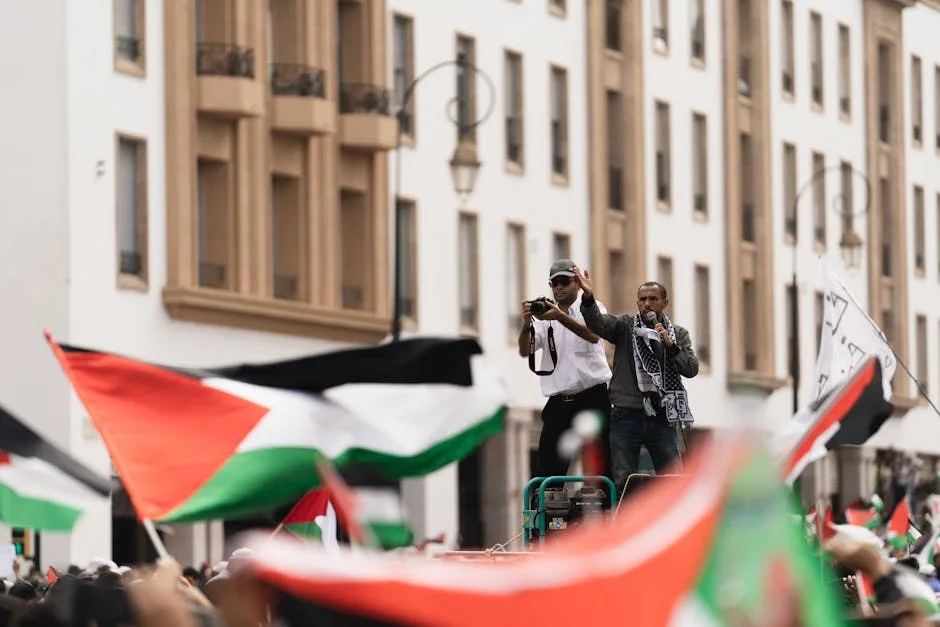
Recently, the IFJ has intensified its advocacy for media freedom, particularly in Nigeria, where the government has been urged to review the controversial Crime Act, which critics argue limits journalistic freedoms. This comes amid a broader continental push for reforms that would protect journalists and promote a freer media landscape. Several African nations are experiencing protests and public outcry over media restrictions, signalling a growing awareness of the importance of press freedom in the region.
Details and Evidence
According to the IFJ, the current environment for journalists in many African countries is perilous. A recent report highlighted that over 70 journalists were killed in Africa in the past year, and many more face harassment and intimidation. In Nigeria, the recent enactment of laws perceived to restrict media freedom has prompted significant backlash from civil society and human rights organisations. The IFJ has gathered evidence from various stakeholders, showing that enhanced media freedom could lead to improved governance and economic growth by fostering an informed citizenry.
Analysis: African development and pan-African perspective
From an en-NG perspective, the call for enhanced media freedom is not just a matter of journalistic rights; it is intrinsically linked to the continent's development goals. A free and independent press plays a critical role in holding governments accountable and ensuring that citizens are informed about their rights and responsibilities. This is particularly vital in a democracy like Nigeria, where governance issues are increasingly under scrutiny. The promotion of media freedom aligns with the African Union's Agenda 2063, which aims to create a prosperous and integrated Africa based on inclusive growth and sustainable development.
Impact and Implications
The implications of enhancing media freedom are far-reaching. If governments heed the IFJ's call, it could lead to greater transparency and accountability, fostering public trust in governance. This shift could empower citizens, enabling them to engage more actively in democratic processes. Additionally, a free media can drive economic growth by allowing for diverse viewpoints and encouraging innovation. Stakeholders to watch include media houses, civil society organisations, and citizens who stand to benefit from a more open dialogue.
Outlook
Looking ahead, the effectiveness of the IFJ's call for enhanced media freedom will depend largely on political will from African governments. Experts suggest that sustained pressure from civil society and international organisations will be critical in pushing for reforms. Readers should keep an eye on developments in legislation related to media freedom, especially in Nigeria, where upcoming elections may further influence the media landscape. As the continent grapples with its challenges, the call for a robust media sector remains a beacon of hope for fostering accountability, transparency, and ultimately, development.