In the ongoing civil war in Sudan, Ethiopia and the UAE's involvement is drawing significant scrutiny, raising questions about their impact on regional stability and African development goals. As the conflict escalates, understanding these dynamics is crucial for comprehending the broader implications for the continent.
Context and Background
Sudan has faced a protracted civil war since April 2023, primarily between rival military factions. This conflict has its roots in decades of political instability, economic challenges, and ethnic tensions. Ethiopia, sharing a border with Sudan, has historically been involved in mediating regional disputes, while the UAE has increasingly positioned itself as a player in the Horn of Africa, seeking to expand its influence. The involvement of these nations raises concerns regarding their intentions and the potential consequences on African development.
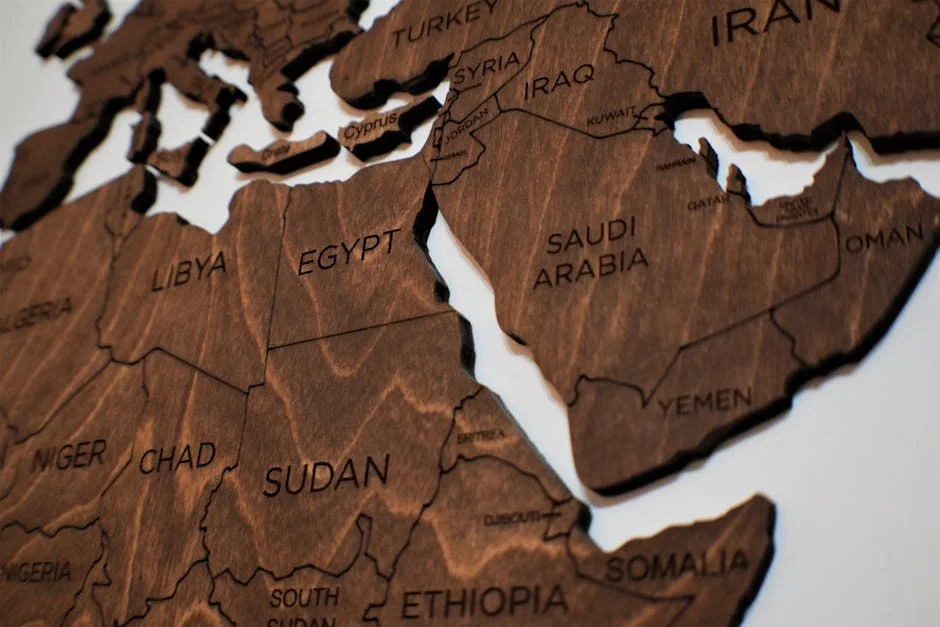
Key Developments
Recent reports have highlighted Ethiopia's role as a mediator, attempting to broker peace talks, while the UAE provides logistical support to certain factions within Sudan. As the fighting continues, both nations are under pressure to clarify their positions and strategies regarding the conflict. Observers argue that their actions could either exacerbate the situation or lead to a viable resolution.
Details and Evidence
According to a Reuters politics update, the Sudanese conflict has resulted in over 1.5 million people displaced and a humanitarian crisis affecting millions more. Ethiopia, under Prime Minister Abiy Ahmed, has been navigating complex relationships with both Sudanese factions, while the UAE's involvement is seen as part of its broader ambition to secure economic ties and strategic partnerships in the region. Reports suggest that Ethiopian leaders are concerned about potential spillover effects of instability into their territory, which could further complicate their own development goals.
Analysis: African development and pan-African perspective
This conflict illustrates the delicate balance of power in the Horn of Africa and its ramifications for regional development. Ethiopia's latest news indicates a focus on maintaining stability within its borders, which are essential for achieving developmental objectives such as infrastructure growth, health improvements, and educational advancements. The involvement of external actors like the UAE complicates this landscape, as their interests may not align with the long-term goals of African unity and growth.
Impact and Implications
The consequences of the Sudanese civil war extend beyond its borders. Instability in Sudan threatens to undermine regional governance structures, hinder economic growth, and challenge efforts to foster coherent health and education initiatives. Countries like Nigeria, which have vested interests in a stable Sudan, may be adversely affected as the conflict disrupts trade routes and exacerbates security issues. As the situation evolves, it is important for African nations to remain vigilant and united in addressing these challenges.
Outlook
Looking ahead, experts suggest that the resolution of the Sudanese conflict will require a concerted effort from regional players and international partners. Analysts indicate that the involvement of Ethiopia and the UAE will be pivotal in shaping the outcome. The coming months will be critical for monitoring how their actions influence both the conflict and broader development goals across the continent. Readers should pay close attention to updates from Reuters latest news and other sources to stay informed about the developments that could reshape the region's future.