In the wake of escalating tensions between Ethiopia, Tigray, and Eritrea, the situation has prompted concern among regional leaders and international diplomats. This ongoing conflict, which has deep historical roots, raises critical questions about Africa’s development goals and the broader continental challenges faced by nations across the region.
Context and Background
The relationship between Ethiopia and Eritrea has been fraught with tension since Eritrea gained independence from Ethiopia in 1993. A brutal conflict erupted in the late 1990s over border disputes, resulting in thousands of casualties and a deeply divided region. Although a peace agreement was reached in 2018, the recent resurgence of conflict in Tigray, combined with Eritrea's involvement, has raised alarms about stability in the Horn of Africa. As Ethiopian forces continue to battle Tigrayan forces, the implications of Eritrea's involvement complicate the path to peace and development.
Key Developments
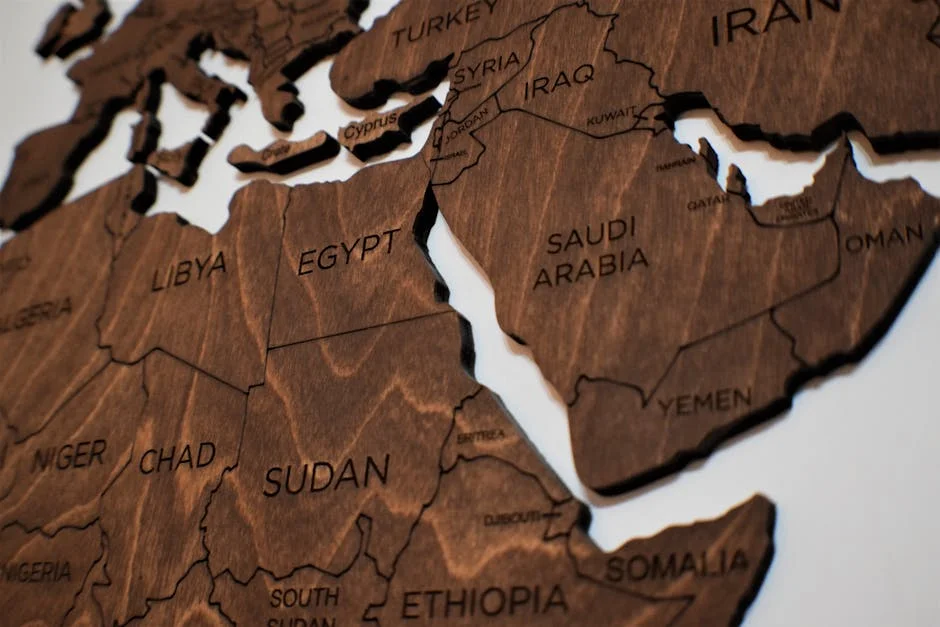
Recent developments have seen a significant increase in military activity along the Ethiopia-Eritrea border. Eritrean troops have been reported to cross into Tigray, allegedly aiding Ethiopian government forces in their conflict with the Tigray People's Liberation Front (TPLF). This has prompted an urgent response from international diplomats, who are calling for de-escalation and renewed dialogue. The African Union has reiterated its commitment to mediating the conflict, stressing the need for a peaceful resolution.
Details and Evidence
According to reports from various human rights organisations, the situation in Tigray has led to a dire humanitarian crisis, with millions displaced and in need of urgent assistance. Access to food, healthcare, and education has been severely compromised, raising alarms about the long-term effects on development in the region. The Ethiopian government has been accused of blocking humanitarian aid, further exacerbating the crisis. Meanwhile, Eritrea’s involvement has drawn criticism for its human rights record, leading to concerns about governance and accountability in the region.
Analysis: African development and pan-African perspective
From an en-NG perspective, the resurgence of conflict in Ethiopia and Eritrea highlights the broader challenges facing African nations in achieving sustainable development goals. The ongoing strife poses significant obstacles to infrastructure development, health services, and education, all of which are crucial for economic growth. Furthermore, it raises questions about governance and the effectiveness of regional bodies like the African Union in resolving conflicts. Ultimately, the situation underscores the urgent need for cooperative solutions that transcend national borders, fostering a pan-African approach to peace and development.
Impact and Implications
The consequences of the renewed conflict extend beyond Ethiopia and Eritrea, affecting neighbouring countries and the entire Horn of Africa. The humanitarian crisis could lead to increased migration as people flee violence, placing additional strain on neighbouring nations like Sudan and Djibouti. Economically, instability in the region affects trade routes and investments, crucial for development. As the conflict continues, it remains essential for regional and international actors to monitor the situation closely and advocate for comprehensive solutions that address the underlying issues.
Outlook
Looking ahead, experts suggest that the path to peace will require sustained diplomatic engagement and a commitment to addressing the root causes of the conflict. The African Union's role in mediating talks is critical, but it must also address the broader socio-economic issues that fuel discontent. For readers interested in Eritrea developments explained, it is essential to watch for any shifts in the regional alliances and the responses from international organisations. The situation remains fluid, and continued attention is necessary to ensure that the aspirations for peace, stability, and development in the Horn of Africa are realised.