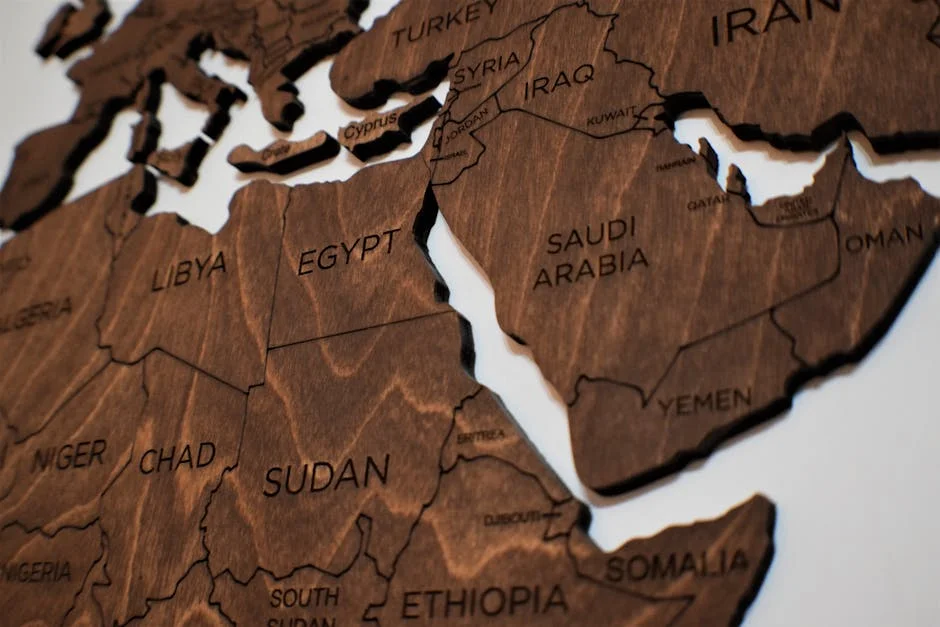
Lead paragraph: Angola's ambassador to the United Nations has recently emphasised the need for Africa to gain permanent representation on the UN Security Council, arguing that the continent's unique challenges necessitate a stronger voice in global governance. This statement comes at a time when discussions around African development and international financing are more crucial than ever.
Context and Background
Historically, Africa has faced significant challenges in representation within global governance structures. Despite being home to over a billion people, the continent has no permanent seat on the UN Security Council, a fact that has long been viewed as a barrier to addressing its specific issues. Many African nations, including Angola, have been advocating for reforms that would allow for greater representation, particularly as the continent strives to meet its development goals outlined in the African Union’s Agenda 2063 and the United Nations Sustainable Development Goals (SDGs).
Key Developments
Recently, during a UN General Assembly meeting, Angola's envoy reiterated the call for Africa to be afforded a permanent seat on the Security Council. This appeal is part of a broader movement led by various African nations aiming to secure more influence in international decision-making processes that affect their development trajectory.
Details and Evidence
Angola's envoy highlighted that Africa's representation in the Security Council is not merely a matter of prestige but a vital necessity for addressing pressing issues such as conflict resolution, economic growth, and health crises. Currently, African nations face a myriad of challenges including inadequate infrastructure, health system deficiencies, and educational disparities. According to a recent report by the African Development Bank, Africa needs an estimated $130 to $170 billion annually to bridge its infrastructure funding gap, a need that could be partially addressed through improved access to international funding mechanisms.
Analysis: African development and pan-African perspective
The call for enhanced representation in the UN Security Council aligns closely with Africa's development goals, particularly in terms of governance and economic growth. With a permanent seat, African leaders would have a platform to advocate for policies that directly support the continent's ambitions, such as increased foreign direct investment in infrastructure projects and better health care financing. A genuine pan-African approach to governance can facilitate collective action against shared challenges, enabling nations to collaborate on technology and innovation, which are essential for sustainable development.
Impact and Implications
The implications of Angola's call for representation extend beyond political rhetoric. If successful, it could lead to improved international cooperation, enabling African nations to tackle issues such as climate change, economic inequality, and public health more effectively. This would not only benefit Angola but also have a ripple effect across the continent, including countries like Nigeria, which could see enhanced trade relations and investment opportunities. Furthermore, with Africa's growing technological advancements, a seat at the table could facilitate knowledge sharing and innovation that benefits the entire region.
Outlook
Looking ahead, the ongoing discussions about African representation in the UN Security Council will be pivotal in shaping the continent's future. Experts believe that sustained advocacy and strategic alliances both within and outside the UN framework are crucial. Readers should watch for developments in negotiations and any new policy initiatives from African leaders aimed at achieving these goals. The commitment to reform and enhance Africa's position within global governance could significantly influence the continent's development trajectory in the coming years.