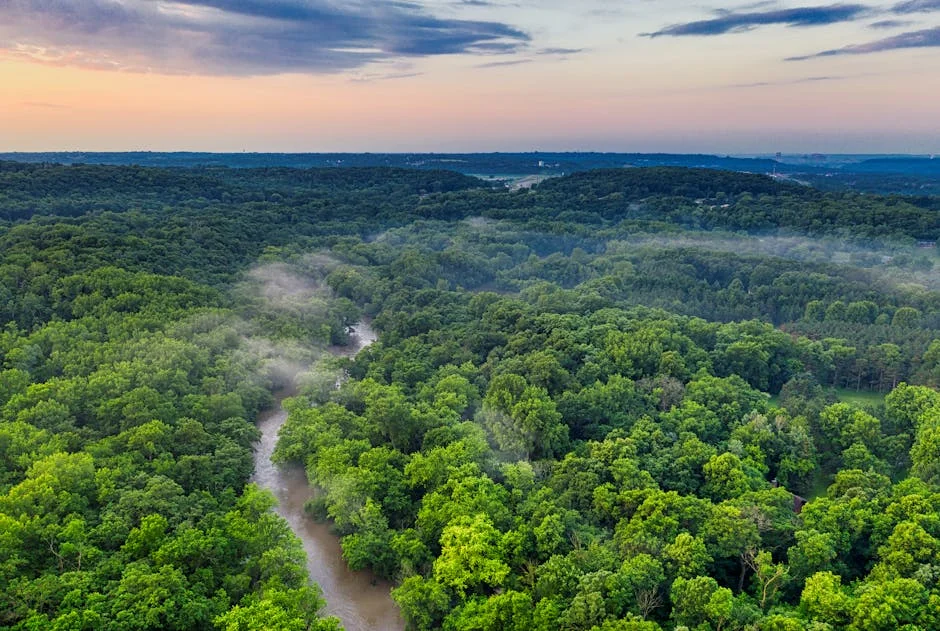
Six nations sharing the Congo Basin — the world's second-largest tropical rainforest — have signed a landmark agreement that will channel billions of dollars in carbon credit revenues directly to forest communities and national conservation funds.
The accord, finalised in Brazzaville after three years of negotiation, covers approximately 200 million hectares of rainforest across the Democratic Republic of Congo, Republic of Congo, Cameroon, Gabon, Central African Republic, and Equatorial Guinea.
Under the deal, corporations and governments purchasing carbon offsets derived from avoided deforestation must pay a minimum price of $15 per tonne of CO₂ — more than double the average on voluntary carbon markets. Thirty percent of revenues will flow directly to indigenous and forest-dependent communities.
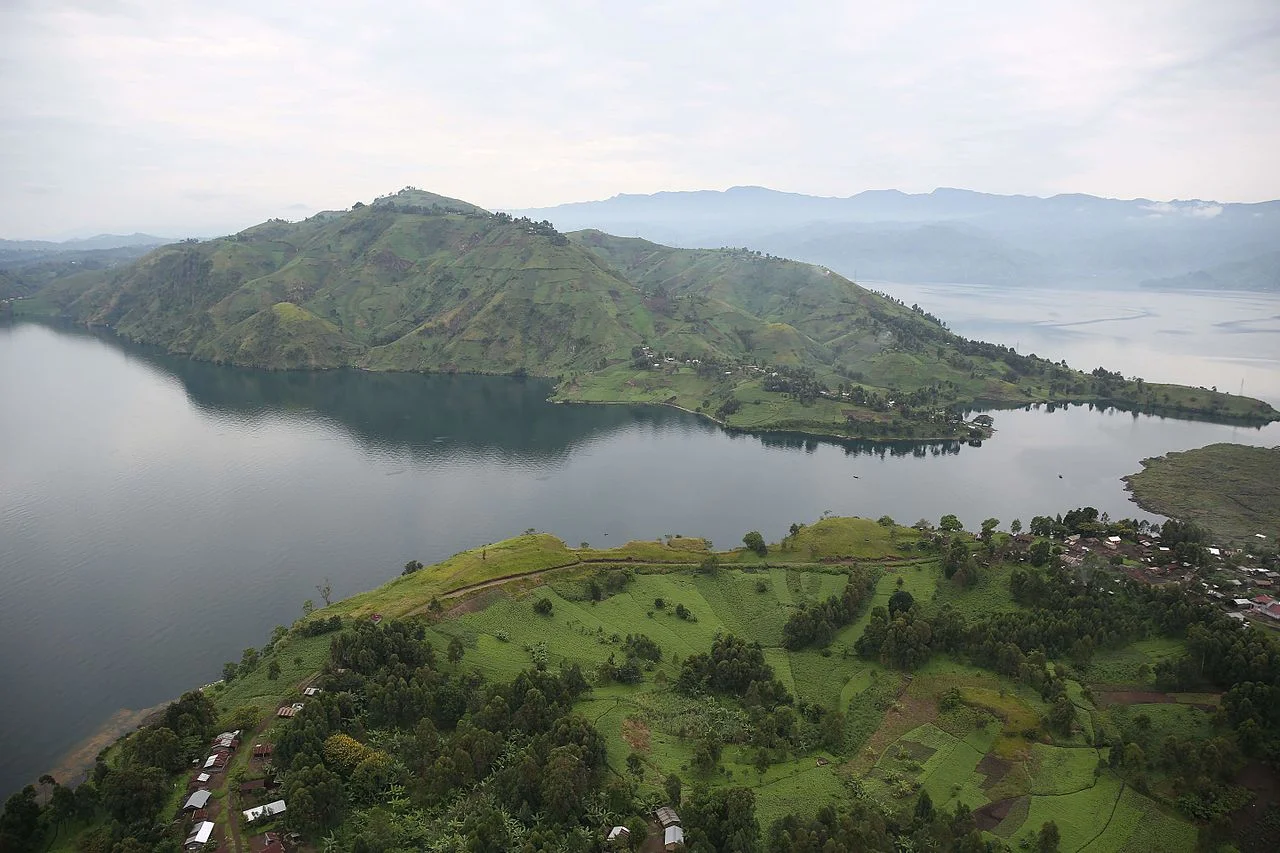
"For the first time, the people who protect these forests every day will be paid for that work," said DRC Environment Minister Eve Bazaiba. "This is climate justice in practice."
The Congo Basin absorbs an estimated 1.5 billion tonnes of CO₂ annually but faces mounting pressure from illegal logging, agricultural encroachment, and artisanal mining. Deforestation rates rose by 17 percent between 2020 and 2024.
Environmental groups offered qualified praise for the agreement but raised concerns about monitoring and enforcement. Global Forest Watch data shows that previous conservation pledges for the region were poorly tracked and irregularly audited.
The World Bank's Forest Carbon Partnership Facility has committed $600 million to support implementation, with independent verification to be conducted by the Global Environmental Facility.