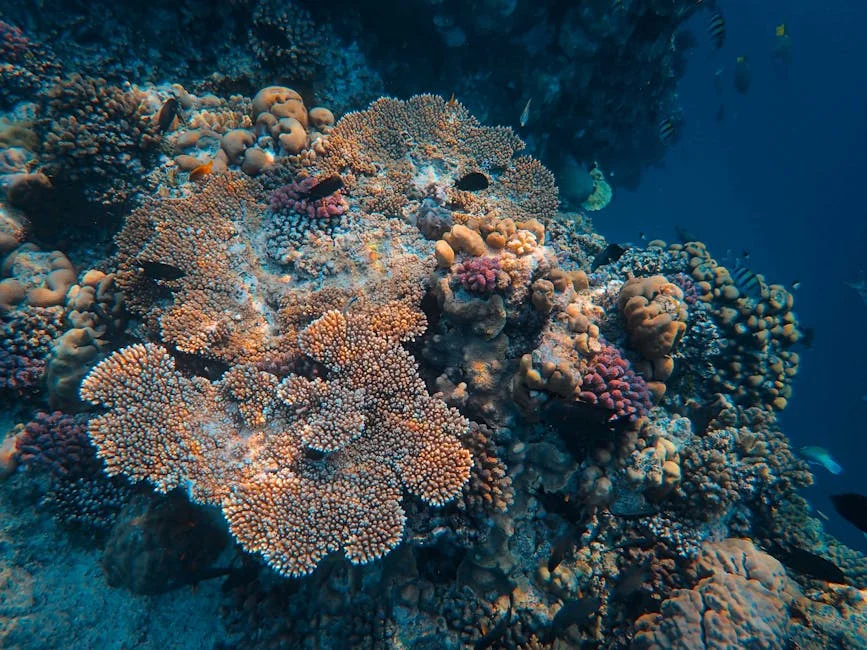
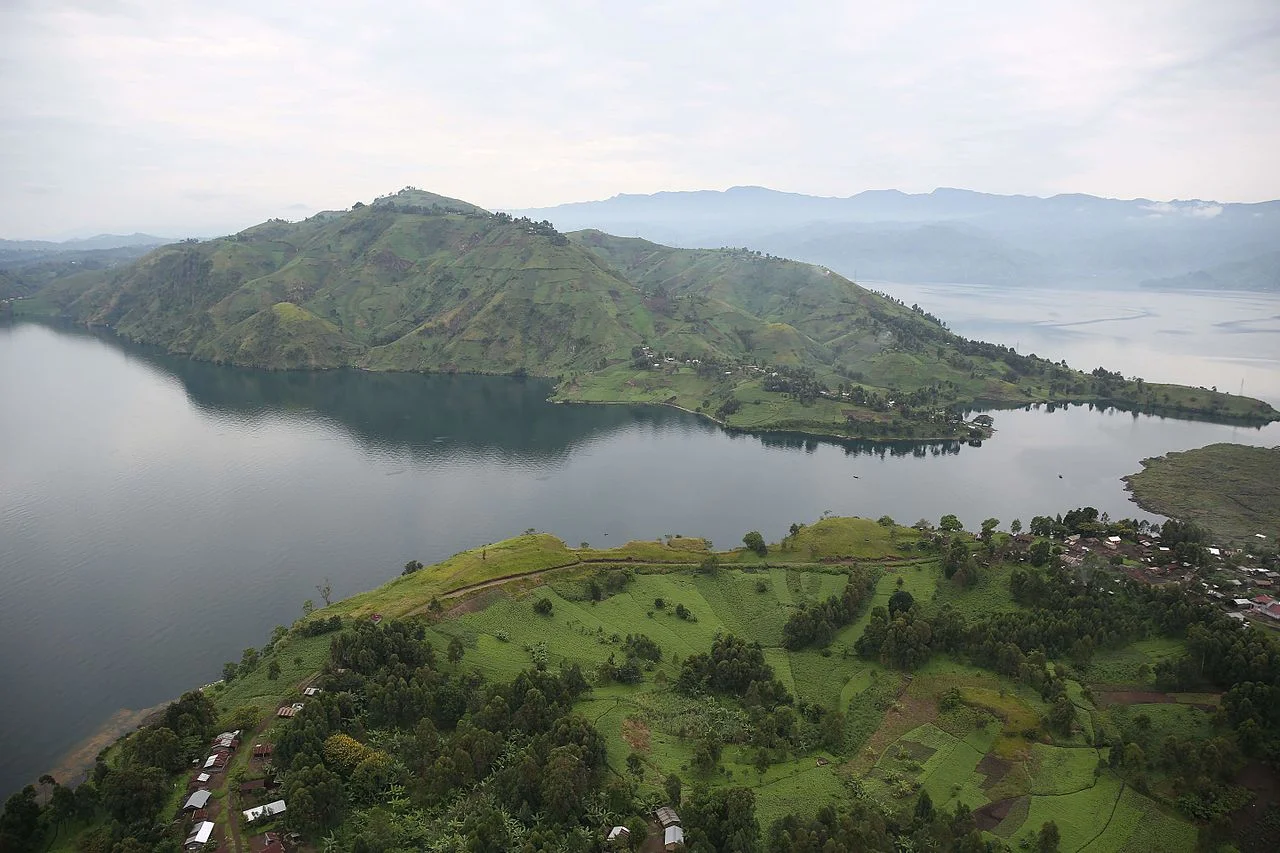
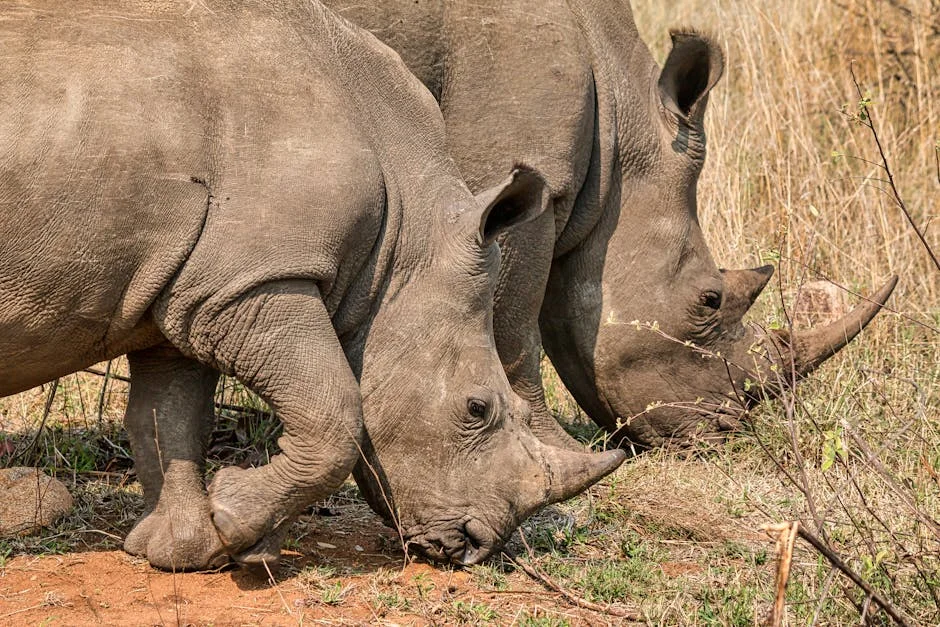
Africa's Green Economy Summit (AGES) 2026 opened in Cape Town in late February with the Climate, Carbon and Nature Financing Academy, a multi-day intensive programme designed to translate ambitious climate targets into concrete, bankable investment projects. The main summit, running from 25 to 27 February, gathered finance ministers, central bankers, conservation scientists, private equity managers, and climate negotiators to address one of the continent's most pressing strategic questions: how to transform Africa's extraordinary natural capital — its forests, savannas, wetlands, rivers, and ocean systems — into sustainable economic value that benefits both communities and the environment.
The financial context for the summit was striking. Private finance for nature has increased more than tenfold in recent years, rising from USD 9.4 billion to over USD 100 billion globally, and analysts project it could reach USD 1.45 trillion by 2030 if current momentum is maintained. Africa, which holds approximately 17 percent of the world's forests, 30 percent of its mineral wealth, and some of its most biodiverse ecosystems, is positioned as the most significant emerging frontier for nature-based investment. Carbon markets, green bonds, blue bonds, wildlife bonds, debt-for-nature swaps, and performance-linked finance were among the instruments examined in depth during the Cape Town proceedings.
The 2026 summit also marked a significant milestone in investor attitudes toward the continent. Climate change, biodiversity loss, and ecosystem degradation are no longer perceived solely as environmental risks — they are now central to how institutional investors assess portfolio resilience and long-term returns. The summit's organisers reported record participation from European and Asian sovereign wealth funds seeking exposure to African green assets. Simultaneously, a sobering research paper published in Nature in February 2026 projected that without accelerated climate action, the continent could face 123 million additional malaria cases and over 532,000 additional deaths by 2050 — figures that underscored the human cost of delayed investment in climate resilience.
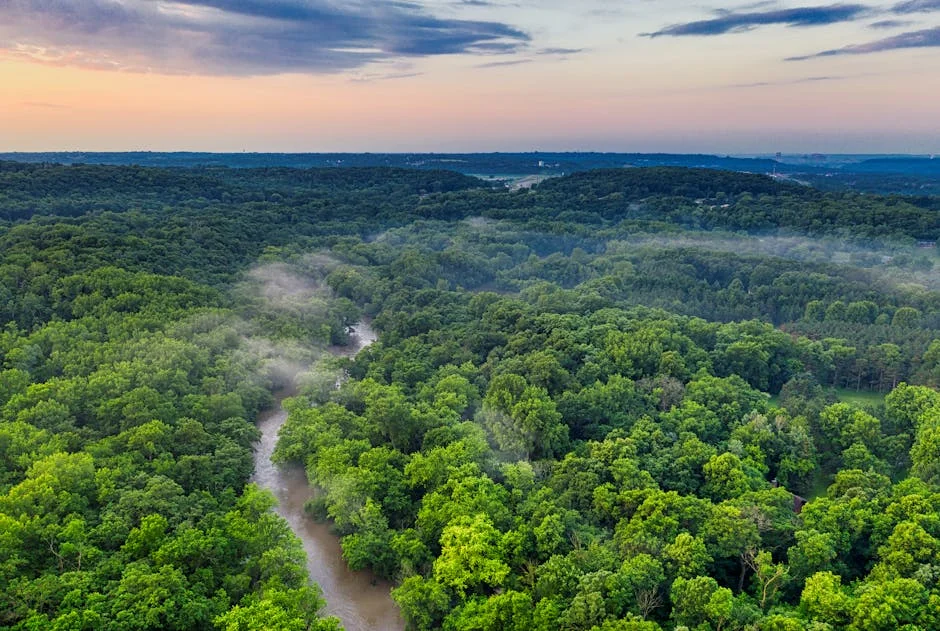
Africa's climate challenge is inseparable from its development imperative, and delegates at Cape Town were unambiguous about the tension this creates. The continent has contributed less than 4 percent of cumulative global greenhouse gas emissions yet faces disproportionate climate impacts across agriculture, water security, coastal communities, and public health. "Africa does not want to be a victim of a crisis it did not cause," said one senior delegate representing a coalition of West African nations. "But Africa is determined to be the solution." With the Just Transition Mechanism and broader loss-and-damage financing frameworks still under negotiation globally, the 2026 Green Economy Summit emerged as a critical platform for Africa to assert its terms of engagement in the global climate finance architecture.