Lead paragraph: For the first time in history, the bones of St Francis of Assisi were displayed to the public in Assisi, Italy, drawing hundreds of visitors eager to connect with the life of the revered saint. This unprecedented event occurred in early October, coinciding with the annual feast of St Francis, a pivotal moment for both religious pilgrims and cultural enthusiasts.
Context and Background
St Francis of Assisi, born in 1181, is celebrated as the patron saint of animals and the environment. His teachings of humility, peace, and love for all living beings have profoundly influenced Christianity and inspired countless individuals across the globe. The recent decision to display his relics aligns with a broader trend in Italy and elsewhere to preserve and honour religious heritage, providing insights into the societal values that shaped historical narratives. For African nations, where spirituality and community values are deeply interwoven, the significance of such cultural displays resonates with efforts to foster local heritage and identity.
Key Developments
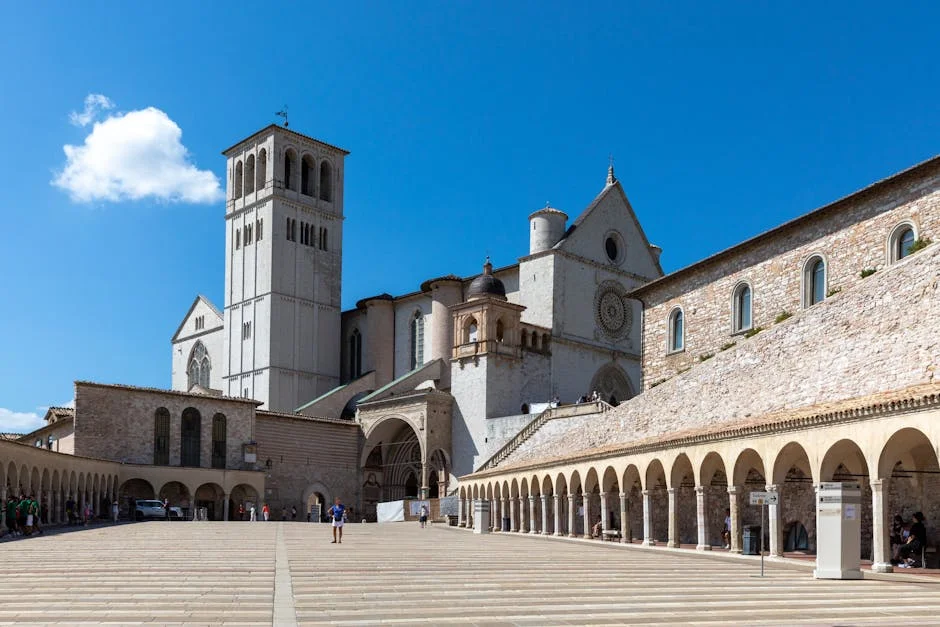
The public unveiling of St Francis's bones took place in the Basilica of San Francesco, following extensive restoration and security measures. This event not only celebrates the saint's life but also highlights the importance of cultural heritage in contemporary society. With hundreds visiting to pay respects, the display has ignited conversations about preserving historical and religious legacies, particularly in the face of modern challenges.
Details and Evidence
According to reports, the bones were housed in a glass case, allowing visitors to view them up close while protecting these fragile relics. The Basilica, a UNESCO World Heritage Site, anticipated a surge in tourism, further underlining the economic potential of religious and cultural heritage. The event drew attention from global media, with analyses focusing on why Assisi matters not only to Italy but also to the broader context of cultural preservation.
Analysis: African development and pan-African perspective
This event prompts reflection on the importance of heritage in African development. As nations on the continent seek to establish robust governance, educational frameworks, and economic growth, understanding and valuing local histories can play a crucial role. The connection to cultural landmarks and figures, much like St Francis for Italy, creates opportunities for unity and national identity in African contexts. By embracing their unique legacies, African nations can foster a sense of belonging and pride, which is vital for political stability and social cohesion.
Impact and Implications
The implications of such a display extend beyond tourism; they encourage a dialogue about how cultural heritage can be leveraged to address contemporary challenges, such as poverty and inequality. Countries like Nigeria, with rich cultural histories, stand to gain from investing in heritage tourism, which can drive economic growth and create jobs. As African nations grapple with infrastructural deficits and health crises, the cultural sector offers an avenue for diversifying their economies and fostering sustainable development.
Outlook
Looking forward, the display of St Francis’s bones may inspire similar initiatives in Africa, where the promotion of cultural heritage can play a pivotal role in national development strategies. Experts suggest that enhancing awareness and appreciation for local history can lead to increased investment in education and infrastructure, ultimately contributing to the continent's broader development goals. Observers should watch for how these cultural displays can galvanise local communities and attract international interest, presenting a unique opportunity to reshape narratives about African identity and heritage.