Iran shot down a U.S. fighter jet near the Strait of Hormuz, triggering an urgent U.S. search and rescue operation. The incident, which occurred on Tuesday, has escalated tensions in the region and raised concerns about regional security. The U.S. military confirmed the downing of the aircraft, which was conducting a routine mission in international airspace. The incident has drawn attention from global powers, including Israel, which has been closely monitoring the situation.
What Happened and Why It Matters
The U.S. fighter jet was shot down by an Iranian surface-to-air missile, according to preliminary reports. The incident took place in the strategic waterway of the Strait of Hormuz, a critical route for global oil trade. The U.S. has since launched a coordinated search and rescue mission, involving multiple aircraft and naval vessels. The downing of the jet has raised alarms about the potential for further conflict in the region, with the U.S. and Iran already locked in a long-standing geopolitical rivalry.
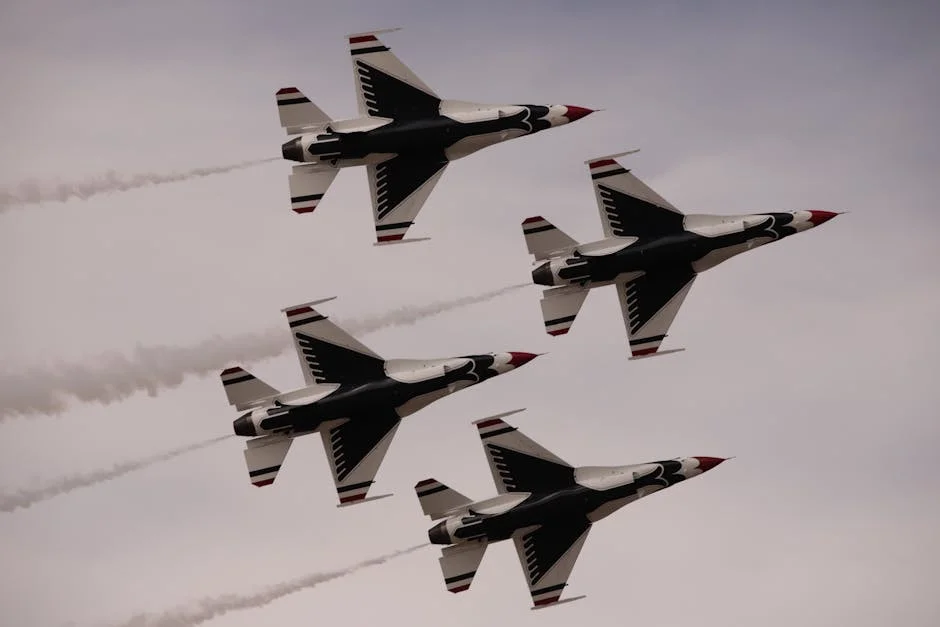
The incident also has implications for African development. As a major player in global trade and security, instability in the Middle East can have ripple effects on African economies. For instance, any disruption to oil supplies could lead to increased fuel prices, affecting countries like Nigeria, which relies heavily on oil exports. The situation also highlights the importance of regional stability for African nations seeking to grow their economies and improve infrastructure.
How Rescue One Plays a Role
Rescue One, a specialized U.S. military unit, has been deployed to locate and recover the downed jet and its pilot. The unit is known for its rapid response capabilities and is often involved in high-stakes rescue missions. The involvement of Rescue One underscores the gravity of the situation and the U.S. commitment to recovering its personnel. The operation is being closely monitored by international partners, including Israel, which has provided logistical support.
Israel’s involvement in the operation reflects its strategic alliance with the U.S. and its interest in maintaining stability in the region. Israel has been a key supporter of U.S. military operations in the Middle East, and its latest update on the situation highlights the growing concern over potential spillover effects from the conflict. As the search and rescue mission continues, the international community is watching closely for any signs of further escalation.
Implications for African Development
The downing of the U.S. fighter jet is a stark reminder of the fragile nature of global security and how regional conflicts can impact African development. Africa’s economic growth is closely tied to global stability, and any disruption in major trade routes can have lasting consequences. For example, increased oil prices could slow down infrastructure projects and hinder economic progress in oil-dependent African nations.
Moreover, the incident highlights the need for stronger regional cooperation in Africa. As African countries seek to enhance their infrastructure and improve governance, they must also work to ensure that external conflicts do not derail their development goals. The situation in the Middle East serves as a cautionary tale for African leaders to prioritize stability and invest in resilient economies.
What’s Next and What to Watch
The U.S. is expected to continue its search and rescue operation, with Rescue One playing a central role in the mission. Meanwhile, Iran has not yet provided a detailed explanation for the downing of the jet, and the U.S. is likely to demand answers. The situation remains tense, and any further escalation could have significant global repercussions.
For African readers, the incident serves as a reminder of the interconnectedness of global events and their potential impact on local development. As Nigeria and other African nations continue to work on improving their infrastructure and economic policies, they must remain vigilant about external threats that could disrupt their progress. The coming days will be crucial in determining the direction of the crisis and its implications for the continent.
military operations in the Middle East, and its latest update on the situation highlights the growing concern over potential spillover effects from the conflict. Israel’s involvement in the operation reflects its strategic alliance with the U.S.