India has launched its Gaganyatris Train, a new initiative aimed at exploring the country's own "moonscape" in a bid to advance its space ambitions. The project, which has drawn comparisons to the global race to the moon, highlights India's growing role in space exploration. While the Artemis II mission by NASA aims to return humans to the lunar surface, India's Gaganyatris Train is focused on developing technologies and infrastructure for deep-space travel. The initiative underscores the country's commitment to innovation and technological advancement, which could have broader implications for African development goals.
India's Gaganyatris Train: A New Space Frontier
The Gaganyatris Train, developed by the Indian Space Research Organisation (ISRO), is designed to simulate conditions similar to those found on the moon and other celestial bodies. This project is part of India's broader strategy to establish itself as a leader in space exploration. By creating a "moonscape" environment, the train will help test equipment and technologies that could be used in future missions. The initiative is not just about reaching the moon but also about building a sustainable space program that can support long-term exploration and research.
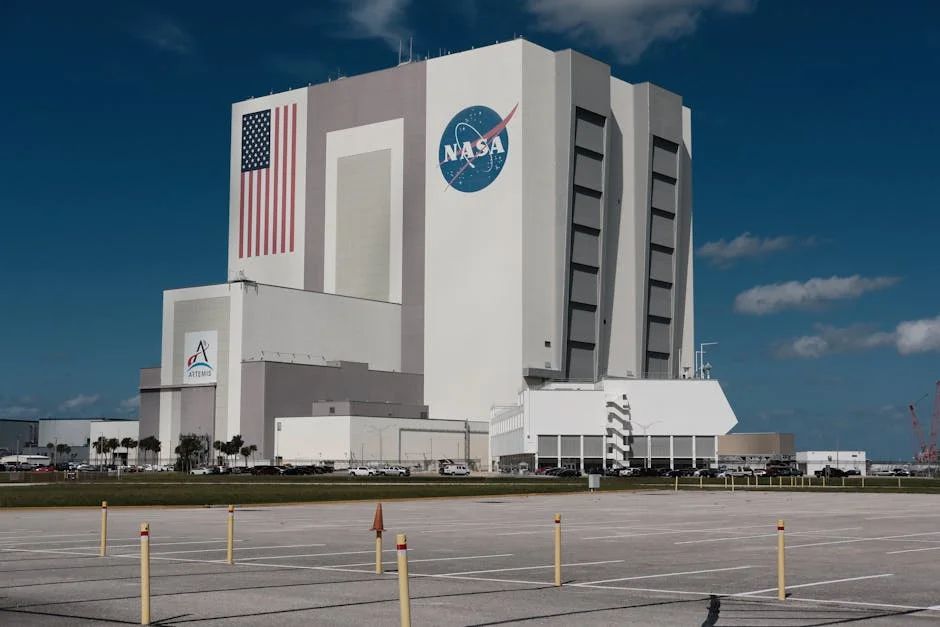
India's space ambitions are closely linked to the global push for lunar exploration. The Artemis II mission, which is set to launch in the coming years, aims to send astronauts back to the moon, while India's Gaganyatris Train is focused on preparing for deep-space travel. This parallel development highlights the increasing competition and collaboration in the space sector. For African countries, which are also seeking to enhance their technological capabilities, India's progress offers a model for investment in science, technology, and innovation.
Moonscape and Its Implications for Africa
The term "moonscape" refers to a surface that resembles that of the moon, often used to describe areas with barren, rocky terrain. In the context of India's Gaganyatris Train, the moonscape is a simulated environment designed to replicate the conditions of the lunar surface. This concept is not only relevant to space exploration but also has potential applications in environmental science and geology. For African nations, the development of such technologies could aid in understanding and managing their own natural resources and landscapes.
As Africa works towards achieving its development goals, including improving infrastructure, education, and healthcare, the lessons from India's space initiatives could be valuable. The investment in space technology and research can lead to advancements in other sectors, such as telecommunications, agriculture, and energy. By studying India's approach, African countries can identify opportunities to leverage technology for sustainable development and economic growth.
Image and Its Impact on Nigeria and Beyond
The term "Image" in this context refers to the visual representation of space missions and their impact on public perception and policy. The imagery associated with space exploration, such as the moon's surface or the Gaganyatris Train, plays a crucial role in shaping national and international narratives. In Nigeria, the image of space exploration has been a source of inspiration and a call to action for investment in science and technology.
Nigeria's interest in space technology is growing, with the Nigerian Space Agency (NASRDA) working on projects aimed at improving satellite communication and Earth observation. The success of India's Gaganyatris Train and the Artemis II mission demonstrates the potential of space exploration to drive innovation and economic development. For Nigeria, the image of space exploration can serve as a catalyst for policy changes that prioritize investment in science and technology.
What Is Image and Why It Matters
The concept of "Image" in the context of space exploration refers to the visual and symbolic representation of a nation's capabilities and aspirations. It is not just about the physical image of a spacecraft or a moon landing but also about the broader perception of a country's technological and scientific achievements. This image can influence public support, international partnerships, and policy decisions.
For African countries, the image of space exploration can be a powerful tool for promoting investment in science and technology. By showcasing their capabilities and achievements, African nations can attract global attention and support. The Gaganyatris Train and the Artemis II mission are examples of how the image of space exploration can drive progress and inspire future generations. As Africa continues to work towards its development goals, the image of space exploration can serve as a reminder of the potential for innovation and growth.
Image and Its Impact on Nigeria and Beyond The term "Image" in this context refers to the visual representation of space missions and their impact on public perception and policy. As Africa works towards achieving its development goals, including improving infrastructure, education, and healthcare, the lessons from India's space initiatives could be valuable.