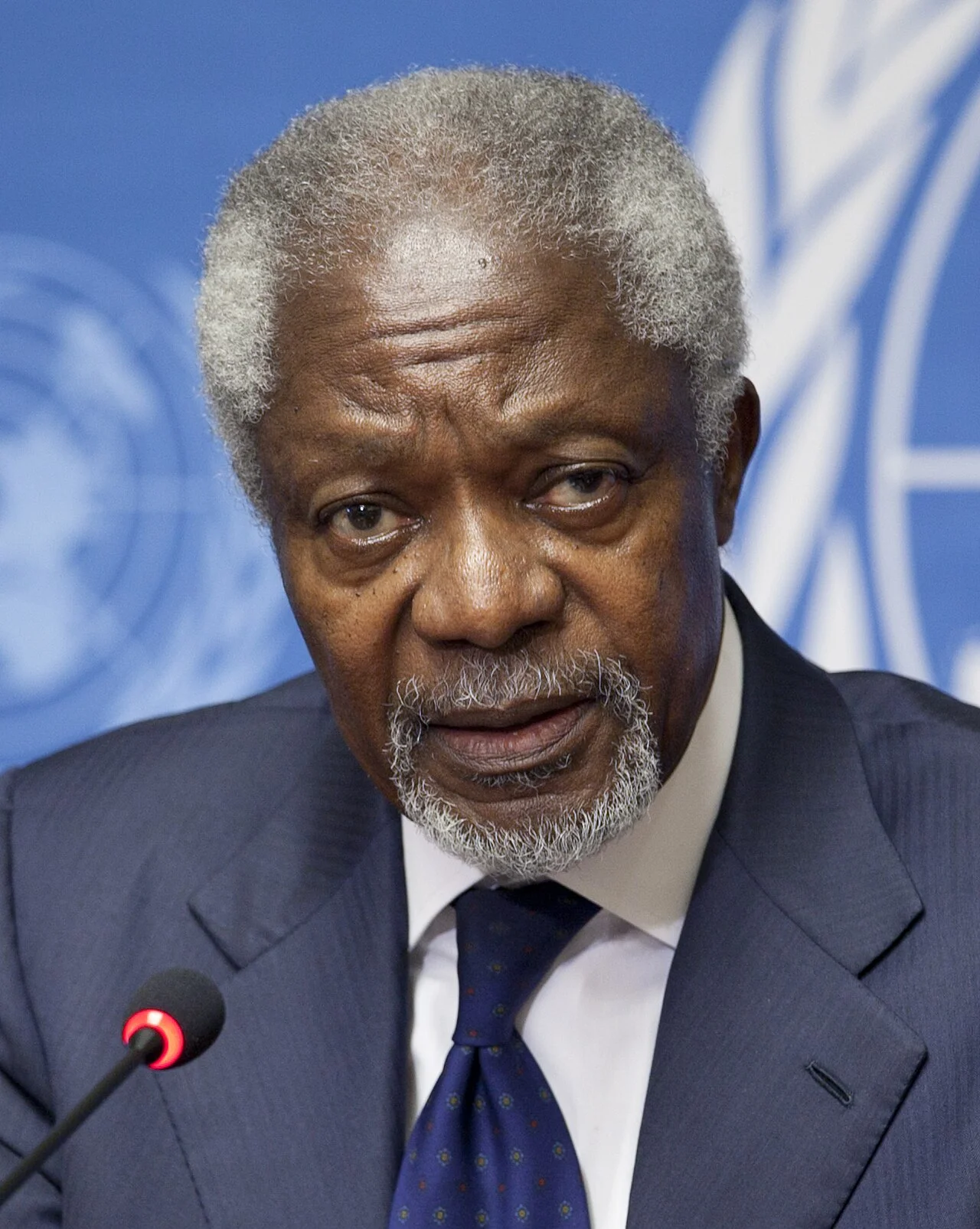
Legendary football coach Marcelo Bielsa has once again made headlines, this time by criticizing the current state of elite football coaching. In a recent interview, the Argentine tactician, known for his intense philosophy and unconventional methods, declared that "Pasarán 200 años y jamás habrá otro entrenador como Bielsa" — "Two hundred years will pass and there will never be another coach like Bielsa." His remarks have sparked global debate, but what does this mean for African development, particularly in sports and leadership?
Bielsa’s Unmatched Legacy in Football
Bielsa, currently the manager of the Chilean national team, has built a career defined by his relentless work ethic, tactical innovation, and emotional intensity. His time at Leeds United in England, where he transformed the club from relegation candidates to a competitive force, showcased his ability to inspire and elevate teams. However, his latest comments have shifted the focus from football tactics to broader leadership and coaching standards.
Bielsa’s assertion that no one will match his legacy underscores his belief that true coaching requires more than technical knowledge — it demands a deep understanding of human potential, discipline, and vision. For African football, which has seen a rise in talent but often lacks the coaching infrastructure to nurture it, Bielsa’s philosophy could serve as a powerful blueprint.
Bielsa’s Impact on Coaching Standards
Bielsa’s coaching style has been both celebrated and controversial. He is known for his high-pressing game, emphasis on possession, and demanding training regimes. Yet, his criticism of modern football coaching — particularly the focus on short-term results over long-term development — has resonated with many. He argues that today’s coaches often fail to instill the same level of passion, discipline, and creativity that he has championed throughout his career.
This critique is especially relevant in Africa, where football development is often hindered by a lack of investment in coaching education. Many African nations struggle to produce world-class coaches, and Bielsa’s comments highlight the urgent need for a shift in how football is taught and managed on the continent.
Why Bielsa Matters for African Development
Bielsa’s influence extends beyond the pitch. His approach to leadership — which values integrity, perseverance, and a long-term vision — aligns with broader African development goals. In a continent where governance, education, and economic growth are central to progress, Bielsa’s philosophy offers a compelling analogy for how to build sustainable success.
For African football, the lessons from Bielsa’s career are clear: investing in coaching education, fostering a culture of discipline, and prioritizing long-term development over quick wins can lead to more consistent success. This could also serve as a model for other sectors, from health to infrastructure, where sustainable growth is key.
What to Watch Next
Bielsa’s recent comments are likely to fuel a global conversation about the future of football coaching. As his influence continues to grow, it will be interesting to see how African football authorities respond. Will they take his insights seriously and invest in coaching development programs? Or will they continue to rely on short-term solutions?
The broader implications of Bielsa’s legacy also raise important questions about leadership in Africa. If football can benefit from his philosophy, what might other sectors gain from adopting similar principles? The answer could shape the continent’s future in ways that extend far beyond the sport itself.
Frequently Asked Questions
What is the latest news about bielsa slams football coaching standards says no one matches his legacy?
Legendary football coach Marcelo Bielsa has once again made headlines, this time by criticizing the current state of elite football coaching.
Why does this matter for economy-business?
Bielsa’s Unmatched Legacy in Football Bielsa, currently the manager of the Chilean national team, has built a career defined by his relentless work ethic, tactical innovation, and emotional intensity.
What are the key facts about bielsa slams football coaching standards says no one matches his legacy?
However, his latest comments have shifted the focus from football tactics to broader leadership and coaching standards.
Many African nations struggle to produce world-class coaches, and Bielsa’s comments highlight the urgent need for a shift in how football is taught and managed on the continent. This could also serve as a model for other sectors, from health to infrastructure, where sustainable growth is key.