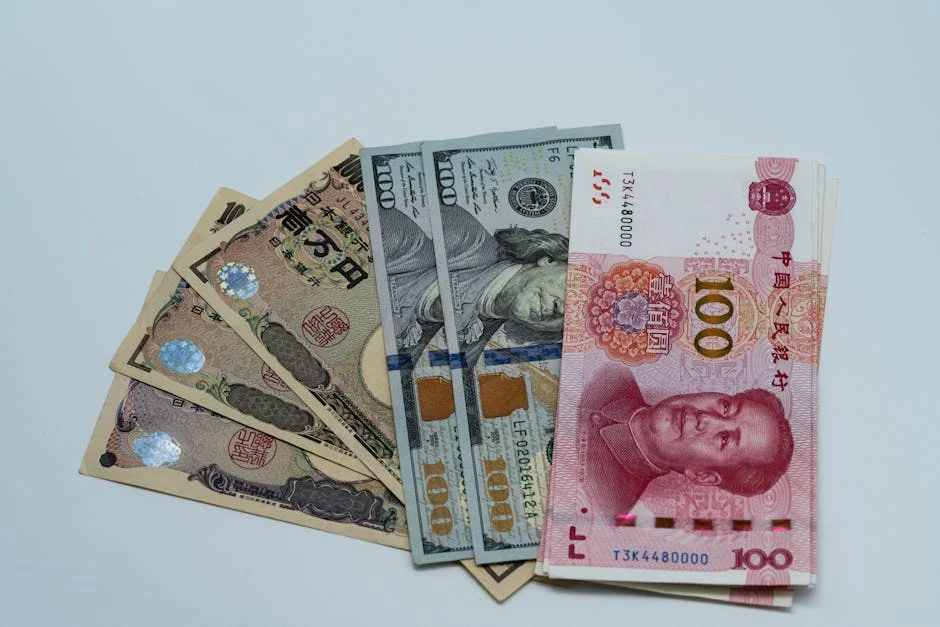
Police in the Free State province of South Africa have arrested 10 individuals for allegedly using fraudulent documents to secure a R250,000 loan from a local bank. The incident has raised concerns about financial fraud and security in the region, with investigators working to determine the full scale of the operation. The arrests come amid growing scrutiny of financial systems across the continent, as African nations strive to meet development goals and ensure economic stability.
The suspects, whose identities have not been fully disclosed, were reportedly involved in submitting forged identity documents and false financial records to obtain the loan. The bank, which has not been named, is cooperating with authorities to trace the flow of the funds and assess any potential losses. The Free State has long been a hub for economic activity, but this case highlights the vulnerabilities within the region’s financial infrastructure.
Free State’s Role in South Africa’s Economy

The Free State is one of South Africa’s most agriculturally rich provinces, contributing significantly to the country’s food security and export economy. However, its financial systems have faced challenges, including issues with credit fraud and mismanagement. The recent arrests have drawn attention to the need for stronger regulatory oversight and digital security measures to prevent such schemes in the future.
Local experts have pointed out that the Free State’s economic importance means that any financial irregularity can have broader implications for national development. As South Africa works to meet the African Union’s Sustainable Development Goals, such incidents underscore the need for greater transparency and accountability in financial institutions across the continent.
Implications for African Development Goals
Financial fraud and corruption remain major obstacles to achieving the United Nations’ Sustainable Development Goals (SDGs), particularly those related to economic growth, reduced inequality, and responsible consumption. The Free State case highlights how even small-scale fraud can undermine public trust in financial systems and deter investment, which is crucial for long-term development.
Experts suggest that the incident could serve as a wake-up call for African governments to invest in better financial literacy programs and digital banking infrastructure. With more than 60% of Africans still unbanked, the need for secure and accessible financial services is urgent. The Free State’s experience shows that without proper safeguards, fraud can exploit these gaps and hinder progress.
Challenges in Financial Governance
South Africa’s financial sector has faced repeated scrutiny over its ability to detect and prevent fraudulent activities. The recent case in the Free State is not an isolated incident, as similar cases have been reported in other provinces. This has prompted calls for stricter regulations and enhanced collaboration between banks, law enforcement, and regulatory bodies.
Regional bodies like the African Union and the Southern African Development Community (SADC) have also emphasized the importance of financial governance in promoting economic integration and stability. The Free State incident is a reminder of the need for a coordinated approach to tackle cross-border financial crimes and ensure that development initiatives are not undermined by corruption.
What Comes Next?
The arrested individuals are expected to face charges related to fraud, identity theft, and illegal loan acquisition. Authorities are also investigating whether the scheme involved any collusion with bank staff or other financial institutions. The case is being closely monitored by national and regional regulators, who are considering potential policy changes to prevent similar incidents.
For African development, the Free State case serves as a cautionary tale about the risks of weak financial oversight. As more African nations push for economic growth and poverty reduction, ensuring the integrity of financial systems will be critical. The outcome of this case could set a precedent for how similar fraud cases are handled across the continent.
Frequently Asked Questions
What is the latest news about 10 arrested in free state over r250000 fraud scam bank security under scrutiny?
Police in the Free State province of South Africa have arrested 10 individuals for allegedly using fraudulent documents to secure a R250,000 loan from a local bank.
Why does this matter for economy-business?
The arrests come amid growing scrutiny of financial systems across the continent, as African nations strive to meet development goals and ensure economic stability.
What are the key facts about 10 arrested in free state over r250000 fraud scam bank security under scrutiny?
The bank, which has not been named, is cooperating with authorities to trace the flow of the funds and assess any potential losses.
Experts suggest that the incident could serve as a wake-up call for African governments to invest in better financial literacy programs and digital banking infrastructure. Regional bodies like the African Union and the Southern African Development Community (SADC) have also emphasized the importance of financial governance in promoting economic integration and stability.