The South African Weather Service (SAWS) has issued an urgent flood warning for northern KwaZulu-Natal, urging residents to prepare for heavy rainfall and potential flash flooding. The warning comes after a series of intense weather patterns have been observed in the region, raising concerns about the impact on local communities and infrastructure.
The affected areas include major towns such as Durban, Pietermaritzburg, and surrounding rural districts. SAWS has reported that rainfall levels are expected to exceed 100mm in some regions within the next 48 hours, with the potential for further intensification. This follows a pattern of extreme weather events that have become increasingly frequent across southern Africa, linked to broader climate change trends.
For African development goals, the situation in Natal highlights the urgent need for improved climate resilience and disaster preparedness. The United Nations Sustainable Development Goals (SDGs), particularly Goal 13 on climate action, call for stronger adaptive measures to protect vulnerable populations from natural disasters. The current crisis underscores the challenges many African nations face in balancing economic growth with environmental sustainability.
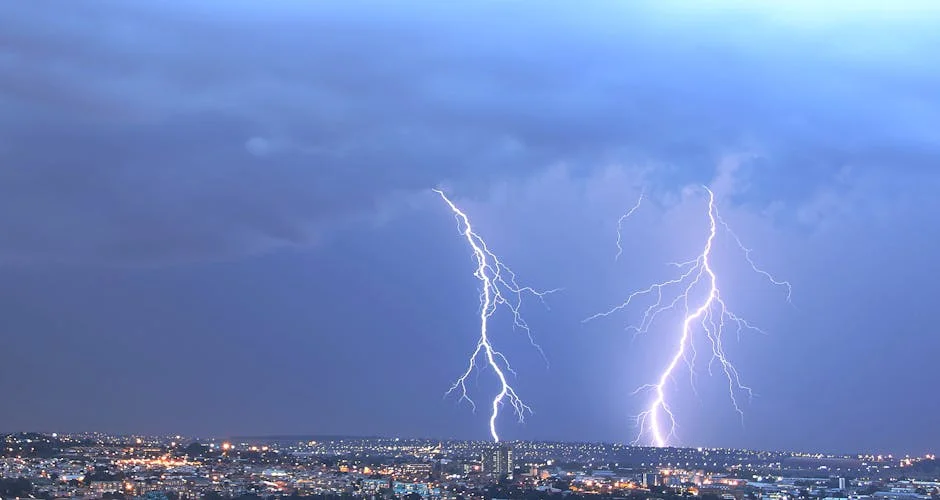
Why Natal Matters for Regional Stability
Natal is a key economic and agricultural hub in South Africa, and its vulnerability to extreme weather events has far-reaching implications. The region is home to major ports, transportation routes, and farming communities that contribute significantly to the national economy. A severe flood could disrupt trade, damage infrastructure, and displace thousands of people, creating long-term economic and social challenges.
Climate experts warn that the frequency and intensity of such weather events are likely to increase without significant investment in early warning systems and climate adaptation strategies. The South African government has been under pressure to accelerate its climate resilience programs, particularly in provinces like KwaZulu-Natal, which are among the most affected by climate change.
The impact of the weather warning also extends beyond South Africa. As part of the Southern African Development Community (SADC), Natal’s challenges reflect broader regional vulnerabilities. Neighboring countries such as Zimbabwe, Mozambique, and Malawi have also experienced similar weather patterns, underscoring the need for coordinated climate action across the continent.
How Weather Events Affect Development Goals
Extreme weather events like the current flood warning in Natal pose a direct threat to progress on African development goals. Infrastructure damage, loss of agricultural productivity, and displacement of populations can reverse years of economic growth and social development. For example, the 2019 floods in KwaZulu-Natal caused over R1.5 billion in damages, affecting livelihoods and straining public resources.
Investment in resilient infrastructure and climate-smart agriculture is essential to mitigate these risks. The African Union’s Agenda 2063 emphasizes the importance of sustainable development, and the current situation in Natal serves as a stark reminder of the challenges that must be addressed. Without proactive measures, the continent risks falling behind in its efforts to achieve long-term economic and environmental stability.
For Nigeria and other African nations, the developments in Natal highlight the interconnected nature of climate challenges. As the continent grapples with rising temperatures, erratic rainfall, and increased disaster risks, the need for regional cooperation and knowledge-sharing becomes more critical than ever.
What to Watch Next
Residents in northern KwaZulu-Natal are advised to monitor SAWS updates closely and take necessary precautions. Local authorities are preparing emergency response plans, including the deployment of rescue teams and the distribution of relief supplies. The situation will likely be a focal point for regional and international climate agencies in the coming days.
Looking ahead, the incident in Natal could serve as a catalyst for increased investment in climate adaptation programs across the continent. It also highlights the importance of integrating climate risk assessments into national development planning. As the climate crisis intensifies, African nations must prioritize resilience to safeguard their progress and ensure sustainable growth.
The South African Weather Service’s urgent warning serves as a reminder that climate change is not a distant threat but a present reality. For Natal and the wider African continent, the time to act is now.
Frequently Asked Questions
What is the latest news about south africas weather service issues urgent flood warning for natal?
The South African Weather Service (SAWS) has issued an urgent flood warning for northern KwaZulu-Natal, urging residents to prepare for heavy rainfall and potential flash flooding.
Why does this matter for economy-business?
The affected areas include major towns such as Durban, Pietermaritzburg, and surrounding rural districts.
What are the key facts about south africas weather service issues urgent flood warning for natal?
This follows a pattern of extreme weather events that have become increasingly frequent across southern Africa, linked to broader climate change trends.
It also highlights the importance of integrating climate risk assessments into national development planning. The African Union’s Agenda 2063 emphasizes the importance of sustainable development, and the current situation in Natal serves as a stark reminder of the challenges that must be addressed.