The Isle has established a new exclusion zone to protect its endangered bird species, marking a significant step in conservation efforts. The initiative, announced on Monday, aims to safeguard critical habitats and ensure the survival of several rare avian species. This move comes amid growing concerns over biodiversity loss and environmental degradation on the island.
Conservation Efforts Gain Momentum
The exclusion zone, spanning over 200 square kilometers, will be monitored by local environmental agencies and international conservation groups. The area is home to several bird species listed as vulnerable or endangered by the International Union for Conservation of Nature (IUCN). The decision follows a recent survey that revealed a sharp decline in bird populations due to habitat destruction and human encroachment.
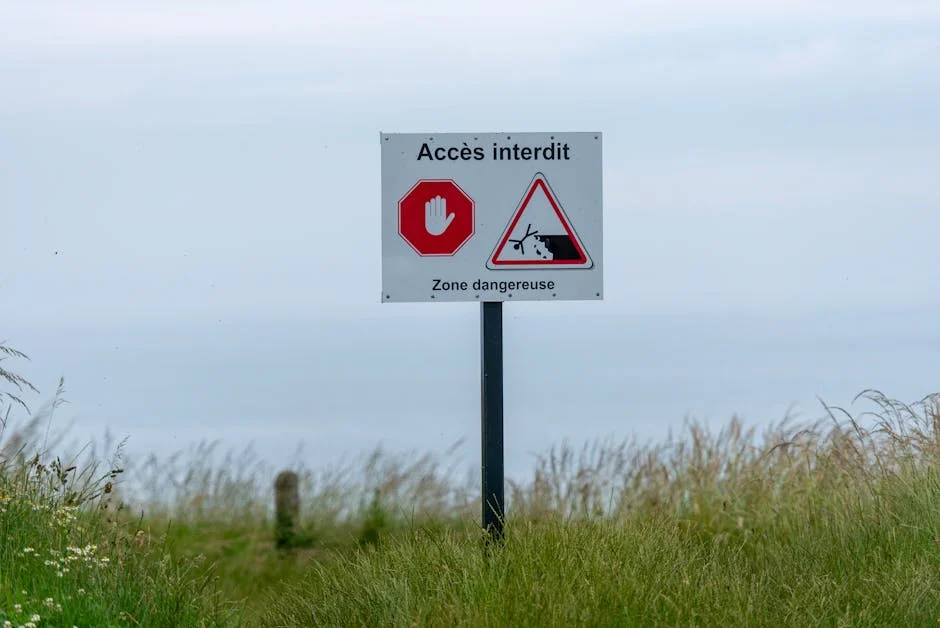
Experts say the exclusion zone is a positive development for the island's ecosystem. "This is a crucial step in preserving the biodiversity of the Isle," said Dr. Amina Yusuf, a leading environmental scientist. "It shows a commitment to long-term ecological balance, which is essential for sustainable development."
Challenges and Opportunities
While the exclusion zone is a positive move, it also raises concerns about the impact on local communities who rely on the area for agriculture and fishing. Some residents fear that the restrictions could limit their access to natural resources, affecting their livelihoods. However, officials have assured that alternative livelihood programs will be introduced to support those affected.
The initiative aligns with broader African development goals, particularly the United Nations Sustainable Development Goals (SDGs), which emphasize environmental protection and sustainable use of natural resources. By prioritizing conservation, the Isle is setting an example for other African nations facing similar ecological challenges.
Exclusion Zone and Economic Growth
The exclusion zone may also have economic implications. While some sectors may face short-term disruptions, the long-term benefits of a healthy ecosystem could attract eco-tourism and research investments. Conservation efforts often lead to new economic opportunities, especially in regions with unique biodiversity.
Local business leaders are cautiously optimistic. "If the exclusion zone leads to sustainable tourism, it could create jobs and boost the local economy," said Peter Okoro, a small business owner in the region. "We need to balance conservation with development, and this initiative is a step in the right direction."
Looking Ahead
As the exclusion zone takes effect, monitoring and enforcement will be critical to its success. The government has pledged to work closely with environmental organizations and local communities to ensure compliance and address any challenges that arise. Public awareness campaigns are also being planned to educate residents about the importance of the initiative.
The Isle's decision highlights the growing recognition of the link between environmental health and economic development. As African nations strive to achieve sustainable growth, conservation efforts like the exclusion zone offer a blueprint for balancing ecological preservation with social and economic progress.
"We need to balance conservation with development, and this initiative is a step in the right direction." Looking Ahead As the exclusion zone takes effect, monitoring and enforcement will be critical to its success. Public awareness campaigns are also being planned to educate residents about the importance of the initiative.